










Kitchen remodeling is more than just a home improvement project; it’s an opportunity to enhance your lifestyle and increase your home’s value. Whether you’re looking to create a modern cooking space or a cozy family hub, understanding the essentials of kitchen remodeling can make all the difference. This comprehensive guide will explore the various aspects of remodeling your kitchen, from planning to execution, ensuring that you create a space that meets your needs and reflects your style.
Understanding Your Needs
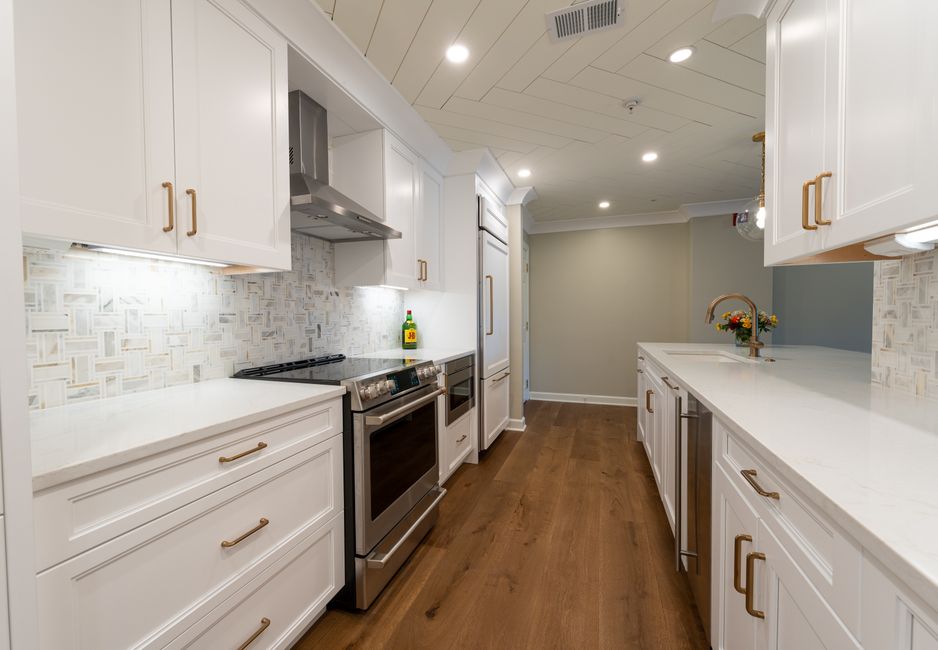
The first step in any kitchen remodeling project is to assess your needs and desires. Ask yourself what you want to achieve with this remodel. Are you aiming for more space, better functionality, or a fresh aesthetic? Consider your cooking habits, lifestyle, and the number of people who use the kitchen regularly. This assessment will guide your design decisions and help you prioritize your remodeling goals.
For instance, if you often entertain guests, you might want to focus on an open layout that allows for easy movement and interaction. On the other hand, if you’re a serious cook, you might prioritize high-quality appliances and ample counter space. Additionally, think about the storage solutions that will work best for you, such as pull-out shelves or built-in cabinets.
Setting a Budget
Once you have a clear understanding of your needs, the next step is to set a budget. Kitchen remodeling can vary significantly in cost, depending on the scope of the project and the materials you choose. On average, homeowners spend between $12,000 and $35,000 on a kitchen remodel, but costs can rise quickly for high-end renovations.
To create a realistic budget, consider the following factors:
- Materials: The choice of countertops, cabinets, flooring, and appliances can greatly influence your budget. Research different options to find the best balance between quality and cost.
- Labor: Hiring professionals for the remodel can add to the cost, but it can also save you time and ensure quality work. Get quotes from multiple contractors to compare prices.
- Unexpected Expenses: Always set aside a portion of your budget (typically 10-20%) for unexpected costs that may arise during the remodeling process.
Designing Your Kitchen
With a budget in place, it’s time to dive into the design phase. This is where your vision comes to life. Start by creating a layout that maximizes functionality and flow. The kitchen work triangle, which consists of the stove, sink, and refrigerator, should be carefully planned to facilitate efficient movement.
When it comes to aesthetics, consider your personal style. Do you prefer a modern, sleek design, or a more traditional look? Color schemes, cabinet styles, and hardware choices all contribute to the overall feel of the space. Remember to incorporate adequate lighting, as it can significantly affect the ambiance and functionality of your kitchen.
For inspiration, you might explore various design styles through resources like kitchen remodeling galleries or interior design magazines. Keeping a mood board can also help solidify your ideas.
Selecting Materials and Finishes
Your choice of materials and finishes will significantly impact both the look and durability of your kitchen. Here are some key elements to consider:
- Countertops: Materials such as granite, quartz, and marble offer durability and elegance, while laminate provides a budget-friendly option.
- Cabinets: Custom cabinets can be tailored to fit your specific needs but come at a higher price. Stock cabinets are more affordable and can also be stylish.
- Flooring: Choose flooring that can withstand spills and heavy foot traffic. Options include hardwood, tile, and vinyl.
Executing the Remodel
With your design finalized and materials selected, it’s time to execute the remodel. If you’re working with a contractor, maintain open communication throughout the process to ensure everything is on track. If you’re taking the DIY route, be sure to follow best practices for each task to avoid costly mistakes.
During the remodel, expect some disruption to your daily routine. It’s advisable to set up a temporary kitchen in another part of your home, equipped with essential appliances for cooking and dining. Be patient and flexible, as remodeling can often take longer than anticipated.
Conclusion
Kitchen remodeling is a rewarding journey that, when done thoughtfully, can transform not just your kitchen but your entire home. By understanding your needs, setting a budget, designing effectively, selecting quality materials, and executing the plan well, you can create a kitchen that is both functional and beautiful. Remember, this space is not just about cooking; it’s about gathering, creating memories, and enjoying life. Start planning your dream kitchen today and watch your vision come to life!