









When it comes to construction projects, the role of a demolition contractor is often overlooked. However, they play a crucial part in ensuring that structures are safely and efficiently taken down, allowing for new developments to take place. This article will delve into the responsibilities, qualifications, and importance of hiring a qualified demolition contractor for your construction needs.
The Responsibilities of a Demolition Contractor
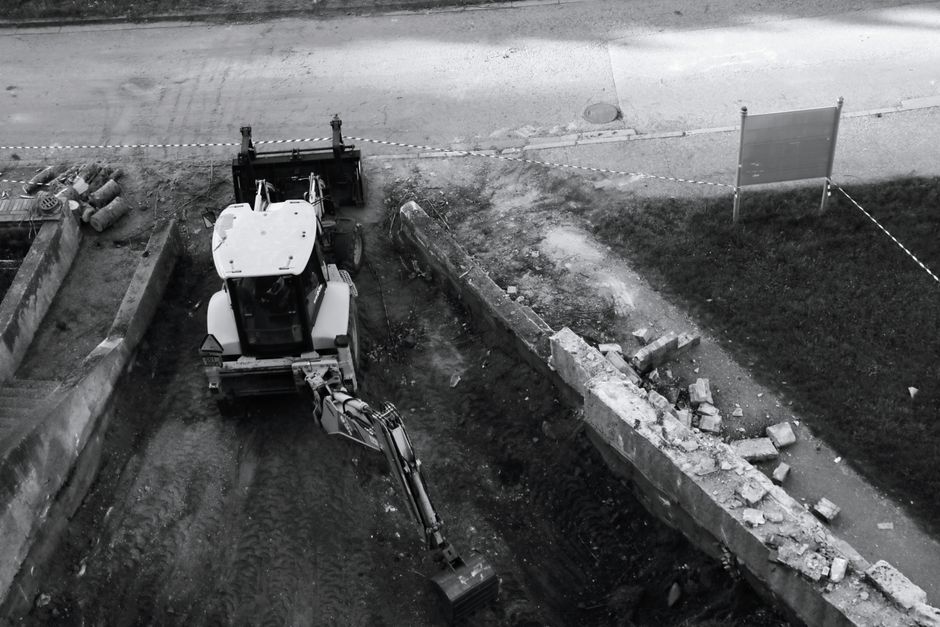
A demolition contractor is primarily responsible for the safe removal of buildings, structures, and other construction elements. This process involves a variety of tasks including site assessment, obtaining necessary permits, and executing the demolition plan. They must ensure compliance with local regulations and safety standards to prevent accidents and environmental damage.
One of the first steps a demolition contractor takes is conducting a thorough inspection of the site. This includes identifying hazardous materials such as asbestos or lead that may require special handling. Once the assessment is complete, the contractor will develop a detailed demolition plan that outlines the methods and equipment to be used, as well as the timing of the project.
Additionally, demolition contractors are responsible for managing waste disposal. They must ensure that materials are recycled or disposed of in accordance with local laws. This not only helps to minimize the environmental impact but also can reduce costs associated with waste removal.
Qualifications and Skills Required
To become a successful demolition contractor, one must possess a unique set of qualifications and skills. Typically, this job requires a combination of education, experience, and certifications. Many contractors start with a background in construction or engineering, which provides a solid foundation for understanding structural integrity and safety practices.
Furthermore, demolition contractors should have strong project management skills to oversee the entire demolition process. This includes coordinating with various stakeholders such as architects, engineers, and regulatory bodies. Effective communication skills are crucial, as they need to convey complex information clearly to their team and clients.
Certifications in safety management and hazardous materials handling are often required. These credentials demonstrate a contractor’s commitment to safety and regulatory compliance, which is vital in the demolition industry.
Choosing the Right Demolition Contractor
Hiring the right demolition contractor can make a significant difference in the success of your project. It is essential to thoroughly vet potential candidates by checking their experience, references, and past projects. Look for contractors who have a proven track record of completing similar projects on time and within budget.
Additionally, ensure that the contractor is fully licensed and insured. This protects you from potential liabilities in case of accidents or property damage during the demolition process. A reputable contractor will also provide a detailed estimate that outlines all costs involved, helping you avoid unexpected expenses.
As part of your selection process, consider asking potential contractors about their safety policies. A strong focus on safety not only protects workers but also ensures that the project runs smoothly without delays caused by accidents.
The Importance of Environmental Considerations
In today’s construction landscape, environmental considerations are more important than ever. Demolition contractors are increasingly expected to implement eco-friendly practices that minimize waste and promote recycling. This is where a qualified demolition contractor can make a significant impact.
For instance, many contractors now incorporate deconstruction methods that allow for the salvage of materials such as wood, metal, and fixtures. This not only reduces landfill waste but also provides opportunities to reclaim valuable resources. Furthermore, contractors must stay updated on local regulations regarding hazardous materials and ensure proper handling and disposal.
By choosing a contractor that prioritizes sustainability, you contribute to a greener construction process, which is becoming increasingly important for clients and communities alike.
Conclusion
In conclusion, the role of a demolition contractor is integral to the construction industry. Their expertise ensures that demolition projects are completed safely, efficiently, and in compliance with all regulations. By understanding their responsibilities and qualifications, as well as the importance of environmental considerations, you can make informed decisions when hiring a demolition contractor for your next project. Investing in a qualified contractor not only guarantees the success of your project but also promotes sustainable practices in the industry.