










Metal fabrication is a crucial process in the manufacturing industry, serving various sectors such as construction, automotive, and aerospace. Whether you are a business owner looking to partner with a reliable metal fabrication shop or an individual interested in understanding the intricacies of metalworking, this guide will provide you with a comprehensive overview. From the types of fabrication services offered to the technologies utilized, we will explore the essential aspects that define a successful metal fabrication shop.
Understanding Metal Fabrication
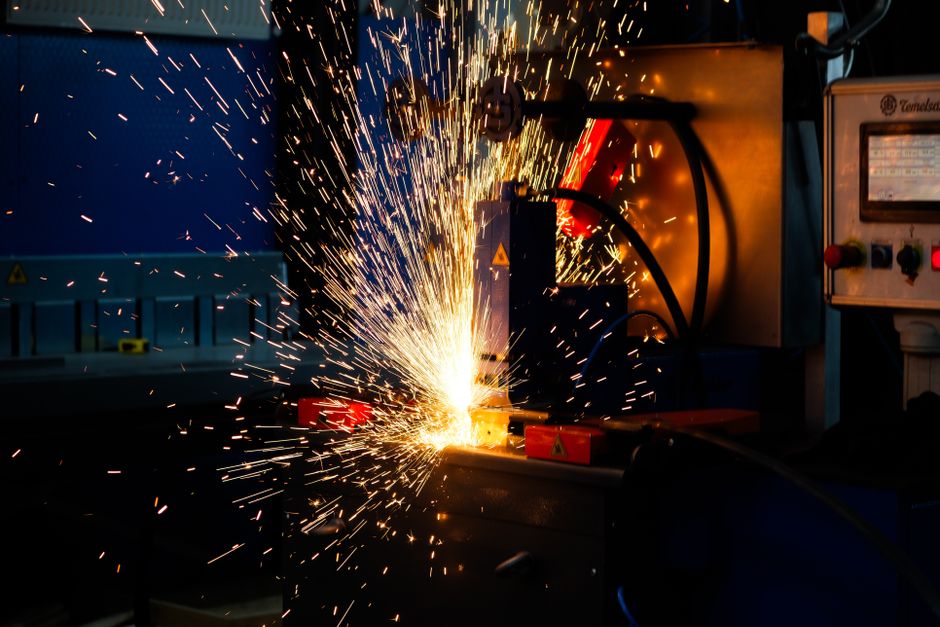
Metal fabrication involves the creation of metal structures by cutting, bending, and assembling processes. It is a value-added process that encompasses various operations, including welding, machining, and surface treatment. The metal fabrication process begins with raw materials, which are transformed into functional products through a series of stages.
In a typical metal fabrication shop, skilled technicians use a range of tools and equipment to manipulate metal. This includes everything from laser cutters to CNC machines, allowing for precision and efficiency in production. The choice of materials, such as steel, aluminum, and copper, also plays a vital role in the final product’s quality and application.
Services Offered by Metal Fabrication Shops
Metal fabrication shops provide a variety of services tailored to meet the needs of different industries. Some of the most common services include:
- Custom Metal Fabrication: Shops often create bespoke products based on client specifications, which can range from architectural components to industrial machinery parts.
- Sheet Metal Fabrication: This involves cutting and shaping sheet metal into desired forms. It is widely used in manufacturing ductwork, enclosures, and various components.
- Welding Services: Welding is a fundamental aspect of metal fabrication, allowing for the joining of metal parts through high heat and pressure.
Many metal fabrication shops also offer additional services such as finishing, assembly, and installation, making them a one-stop solution for clients.
The Importance of Quality Control
Quality control is paramount in the metal fabrication industry. A reputable metal fabrication shop implements strict quality assurance processes to ensure that each product meets industry standards and customer expectations. This includes regular inspections, testing, and adherence to safety regulations.
For instance, the use of advanced technologies such as 3D modeling and simulation allows fabricators to detect potential issues before production begins. Additionally, certifications such as ISO 9001 can indicate a shop’s commitment to maintaining high-quality standards.
Choosing the Right Metal Fabrication Shop
When selecting a metal fabrication shop, several factors should be considered:
- Experience: Look for a shop with a proven track record in the industry. Experienced fabricators are more likely to understand the nuances of different materials and fabrication techniques.
- Capabilities: Ensure the shop has the necessary equipment and technology to handle your specific project requirements.
- Customer Reviews: Research customer feedback and testimonials to gauge the shop’s reliability and quality of work.
One such reliable option for extensive fabrication services is a metal fabrication shop that excels in providing customized solutions for various industries. Their expertise in both small and large-scale projects makes them a preferred choice among clients.
Future Trends in Metal Fabrication
The metal fabrication industry is evolving rapidly, driven by technological advancements and market demands. Key trends shaping the future include:
- Automation: The integration of robotics and automated processes is increasing efficiency and reducing labor costs in fabrication shops.
- 3D Printing: Additive manufacturing is gaining traction, allowing for the creation of complex metal parts that were previously difficult to fabricate.
- Sustainability: Many shops are adopting eco-friendly practices, such as recycling scrap metal and using energy-efficient machines.
These trends not only enhance productivity but also contribute to a more sustainable and innovative manufacturing landscape.
Conclusion
Metal fabrication shops play an essential role in various industries by transforming raw materials into valuable products. Understanding the services offered, the importance of quality control, and the latest trends can help businesses and individuals make informed decisions. As technology continues to advance, the capabilities of metal fabrication shops will only expand, paving the way for new opportunities and innovations in manufacturing.