










In recent years, the emergence of 3D printing technology has transformed various sectors, offering innovative solutions that were once deemed impossible. This technology allows for the rapid prototyping and production of complex designs directly from digital files, making it a game-changer for industries ranging from healthcare to manufacturing. As businesses continue to seek efficiency and customization, understanding the capabilities and applications of 3D printing service becomes increasingly vital.
Understanding 3D Printing Technology
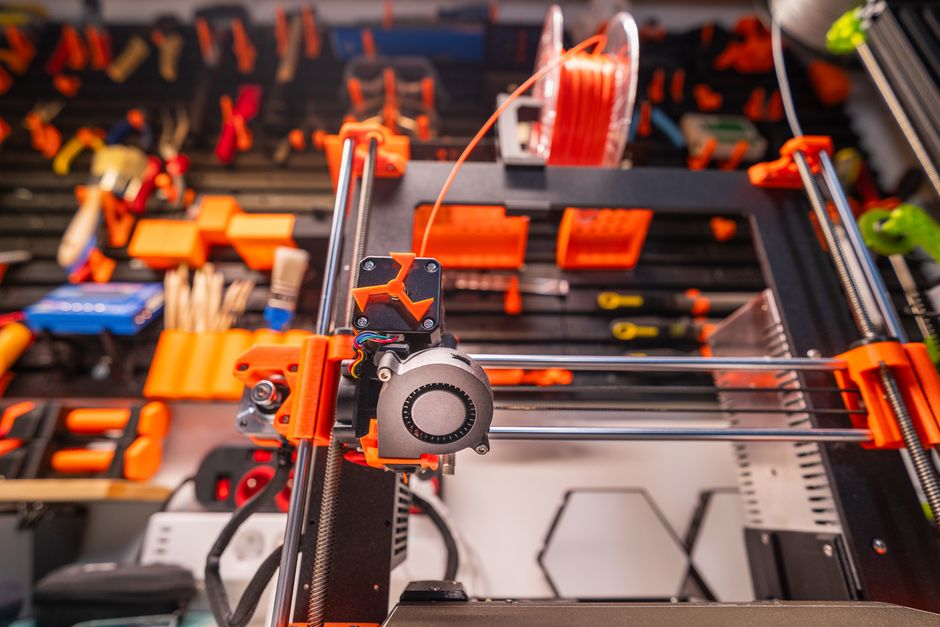
3D printing, also known as additive manufacturing, involves creating three-dimensional objects layer by layer from a digital model. This contrasts with traditional subtractive manufacturing methods, where material is removed to achieve the desired shape. The most common 3D printing technologies include Fused Deposition Modeling (FDM), Stereolithography (SLA), and Selective Laser Sintering (SLS).
FDM is widely used for its affordability and ease of use, making it ideal for prototyping. SLA, on the other hand, is known for its high precision and smooth surface finish, suitable for intricate designs. SLS utilizes lasers to fuse powdered material, allowing for the production of complex geometries without the need for support structures.
As the technology continues to evolve, new materials such as bio-compatible plastics and metal alloys are becoming available, expanding the potential applications of 3D printing.
Applications Across Industries
3D printing services have found applications across various industries, significantly impacting product development and manufacturing processes. In the healthcare sector, for instance, 3D printing is revolutionizing the production of customized prosthetics and implants. Surgeons can create patient-specific models from scans, enabling more precise surgical planning.
In manufacturing, companies are leveraging 3D printing for rapid prototyping. This allows for faster iterations of product designs, reducing time-to-market. According to a report by Wohlers Associates, the global 3D printing market is projected to reach $34.8 billion by 2024, highlighting the growing demand for these services.
Moreover, the aerospace and automotive industries are utilizing 3D printing for lightweight components that enhance fuel efficiency. By producing parts that are both strong and lightweight, manufacturers can significantly reduce operational costs.
Cost Efficiency and Sustainability
One of the most compelling advantages of 3D printing is its cost efficiency. Traditional manufacturing methods often require expensive molds and tooling, which can lead to high initial costs. In contrast, 3D printing eliminates the need for these investments, allowing for lower production costs, especially for small batch runs.
Additionally, 3D printing contributes to sustainability efforts by minimizing waste. Traditional manufacturing methods can waste up to 90% of raw materials, whereas 3D printing only uses the material needed to create the object. This not only reduces waste but also allows for the use of recycled materials in the printing process.
As companies increasingly prioritize sustainability, the adoption of 3D printing services is expected to grow, aligning with environmental goals.
Challenges and Future Prospects
Despite its many advantages, 3D printing is not without challenges. One significant issue is the speed of production. While 3D printing is fast for prototyping, scaling up for mass production can still be time-consuming compared to traditional methods.
Moreover, quality control can be a concern, as variations in material properties can affect the final product. Ensuring consistency in production requires rigorous testing and standardization, which can be resource-intensive.
Looking forward, advancements in technology are expected to address these challenges. Innovations such as multi-material printing and improved software for design optimization are on the horizon, promising to enhance the capabilities of 3D printing services further.
Conclusion
3D printing services are undeniably reshaping the landscape of manufacturing and product development. By offering customized solutions, reducing costs, and promoting sustainability, this technology is paving the way for a new era of innovation. As industries continue to explore the possibilities of 3D printing, businesses that embrace these services will likely gain a competitive edge in the marketplace, showcasing the transformative power of additive manufacturing.