










Sheet metal fabrication is a crucial process in modern manufacturing, transforming flat sheets of metal into complex and functional components used across various industries. This process combines traditional craftsmanship with advanced technology, enabling engineers and fabricators to create everything from simple brackets to intricate enclosures. Understanding the fundamentals of sheet metal fabrication can significantly enhance the quality of products and efficiency of production.
What is Sheet Metal Fabrication?
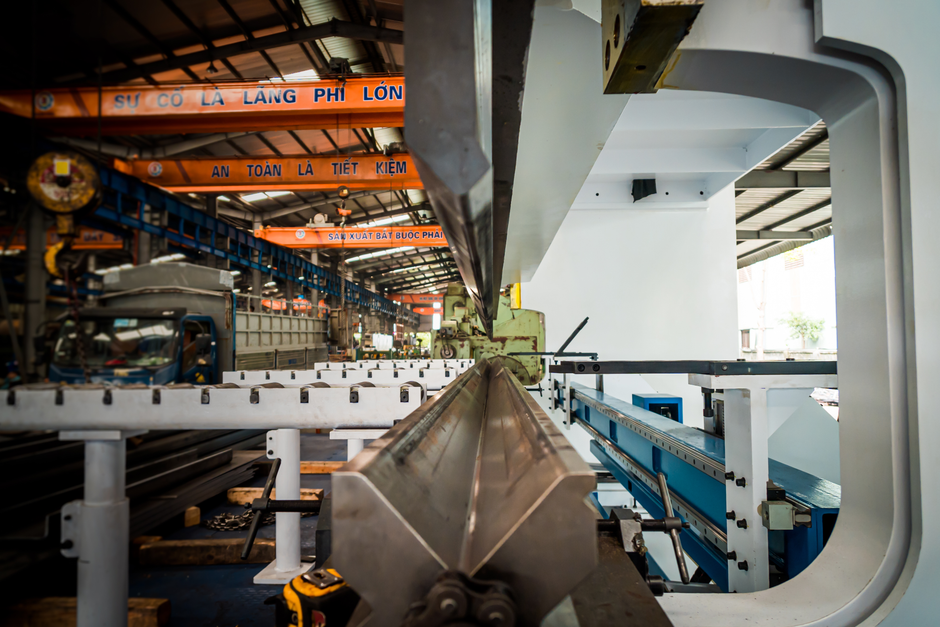
Sheet metal fabrication involves the creation of metal structures by cutting, bending, and assembling flat sheets of metal. Common materials include aluminum, steel, brass, and copper, each selected based on the project’s requirements. The fabrication process typically includes several stages: designing, cutting, forming, and finishing the metal. Each stage plays a vital role in achieving the desired specifications and quality standards.
In the design phase, engineers utilize software like CAD (Computer-Aided Design) to create detailed drawings and specifications. This digital approach allows for precise measurements and easy modifications, leading to optimized designs that reduce material waste. Following the design, the cutting process begins, often utilizing laser, water jet, or plasma cutting methods, each providing distinct advantages depending on the material and complexity of the part.
Techniques Used in Sheet Metal Fabrication
There are several techniques employed in sheet metal fabrication, each suited for different tasks and materials. Bending is one of the most common processes, where the sheet metal is deformed along a linear axis to create angles and shapes. This can be done using various tools, including press brakes and folding machines.
Another key technique is welding, which involves joining two or more pieces of metal together using heat. Various welding methods, such as MIG (Metal Inert Gas), TIG (Tungsten Inert Gas), and spot welding, are utilized based on the application and material type. Each method has its benefits; for instance, MIG welding is known for its speed and efficiency, while TIG welding provides high precision.
Additionally, machining is often used in conjunction with fabrication, particularly for parts that require additional precision or features that cannot be achieved through bending or welding alone. This includes processes like drilling, tapping, and milling, which refine the final product.
Applications of Sheet Metal Fabrication
Sheet metal fabrication is used extensively across various industries. In the automotive sector, for instance, it is essential for manufacturing components such as chassis, body panels, and brackets. The aerospace industry also relies on sheet metal fabrication for creating lightweight yet strong components that meet stringent safety and performance standards.
In construction, fabricated sheet metal is commonly used for roofing, siding, and HVAC systems. The versatility of sheet metal allows for innovative designs and efficient use of materials, contributing to sustainable building practices. Furthermore, in the electronics industry, sheet metal components are integral for housing and shielding sensitive electronic equipment, ensuring durability and protection from external elements.
Future Trends in Sheet Metal Fabrication
As technology continues to advance, the field of sheet metal fabrication is evolving rapidly. Automation and robotics are increasingly being integrated into fabrication processes, enhancing productivity and accuracy. Automated systems can handle repetitive tasks, allowing skilled labor to focus on more complex operations.
Additionally, the rise of Industry 4.0 is shaping the future of manufacturing, where smart factories utilize data analytics, IoT (Internet of Things), and AI (Artificial Intelligence) to optimize production. These technologies enable real-time monitoring of fabrication processes, leading to improved efficiency and reduced downtime.
Moreover, sustainable practices are gaining traction in sheet metal fabrication, with a focus on reducing waste and energy consumption. Techniques such as advanced nesting software help optimize material usage, while eco-friendly materials are increasingly being adopted to meet environmental standards.
Conclusion
In conclusion, sheet metal fabrication is a vital process that underpins much of modern manufacturing. Its combination of traditional techniques and advanced technologies allows for the creation of high-quality components across various industries. As the demand for precision and efficiency continues to rise, understanding the intricacies of sheet metal fabrication will be essential for businesses looking to thrive in a competitive landscape. By embracing new technologies and sustainable practices, companies can enhance their fabrication processes and deliver superior products to their customers. For further insights into the fundamentals of sheet metal fabrication, industry professionals are encouraged to explore emerging trends and methodologies that can elevate their manufacturing capabilities.