










In the maritime industry, the choice of a reliable marine engine supplier can significantly impact a vessel’s performance and overall operation. With the growing demand for efficiency and sustainability in shipping, understanding the key aspects of marine engine suppliers becomes crucial for shipowners, operators, and manufacturers alike. This guide delves into what to consider when selecting a marine engine supplier and highlights the latest trends in the industry.
Understanding Marine Engines
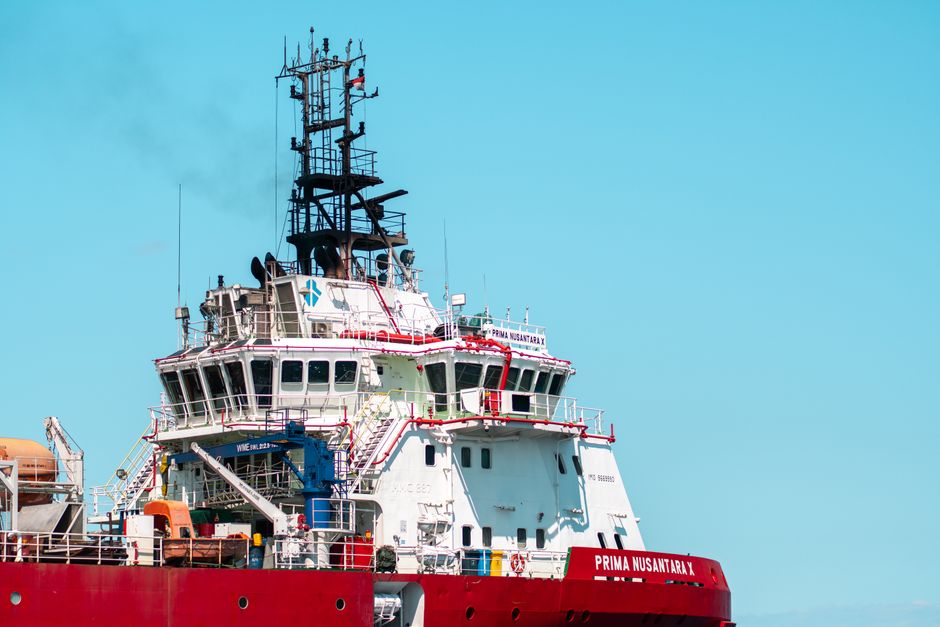
Marine engines are specialized engines designed to power ships, boats, and other maritime vessels. They differ from standard automotive engines in several ways, including their construction, fuel types, and performance requirements. For instance, marine engines often operate under unique conditions such as varying loads, saltwater environments, and extended operational hours. This necessitates a specialized approach to manufacturing and servicing.
There are generally two categories of marine engines: inboard and outboard engines. Inboard engines are installed within the hull of the vessel, providing better stability and performance for larger boats, while outboard engines are mounted externally, allowing for easier maintenance and replacement. Understanding these types is essential when evaluating potential marine engine suppliers.
Additionally, advancements in technology have led to the development of eco-friendly marine engines that use alternative fuels and hybrid systems. This shift is driven by regulations aimed at reducing emissions, making it vital for ship operators to consider suppliers who offer innovative and sustainable solutions.
Factors to Consider When Choosing a Marine Engine Supplier
When selecting a marine engine supplier, several factors should be considered to ensure that you make an informed decision. Firstly, assess the supplier’s reputation and experience in the industry. Established suppliers often have a proven track record of delivering high-quality engines that meet international standards.
Secondly, consider the range of products offered by the supplier. A comprehensive catalog that includes various engine types and sizes can provide flexibility for different vessel requirements. Furthermore, suppliers that offer customization options can cater to specific operational needs, enhancing overall efficiency.
Another crucial aspect is the availability of after-sales support and service. A reliable marine engine supplier should provide technical assistance, spare parts availability, and maintenance services to ensure the longevity and reliability of the engines. This ongoing support can significantly reduce downtime and operational costs.
Industry Trends and Innovations
The marine engine supply industry is rapidly evolving, with several trends shaping its future. One significant trend is the increasing focus on sustainability. With stricter environmental regulations, suppliers are investing in research and development to create engines that comply with emissions standards while maintaining high performance.
Moreover, the integration of digital technologies is transforming the way marine engines are designed and operated. Suppliers are now incorporating IoT (Internet of Things) capabilities into their engines, allowing for real-time monitoring and data analytics. This innovation enables vessel operators to optimize fuel consumption and predict maintenance needs, ultimately leading to cost savings.
Furthermore, the rise of alternative fuels, such as LNG (liquefied natural gas) and hydrogen, is pushing suppliers to adapt their offerings. As these fuels become more mainstream, marine engine suppliers need to ensure that their products are compatible with these new energy sources.
Case Studies of Leading Marine Engine Suppliers
To illustrate the importance of choosing the right marine engine supplier, let’s examine a few leading companies in the industry. One notable example is marine engine supplier that specializes in high-performance engines for commercial vessels. Their commitment to quality and innovation has earned them a strong reputation globally.
Another case is that of a supplier who recently launched a new line of hybrid marine engines. By combining traditional diesel power with electric propulsion, they offer a solution that significantly reduces fuel consumption and emissions. This forward-thinking approach has attracted attention from environmentally conscious shipowners.
Additionally, a supplier focusing on after-sales service has implemented a robust training program for technicians. This initiative ensures that clients receive the necessary support for maintenance and repairs, enhancing customer satisfaction and loyalty.
The Future of Marine Engine Supply
Looking ahead, the marine engine supply industry is poised for continued growth and transformation. As global shipping demands increase, so does the need for reliable and efficient engine solutions. Suppliers who embrace innovation and prioritize sustainability will likely lead the market.
Moreover, collaboration between marine engine suppliers, shipbuilders, and regulatory bodies will be essential in shaping the future landscape of the industry. By working together, these stakeholders can develop engines that not only meet current demands but also anticipate future challenges.
Ultimately, the choice of a marine engine supplier goes beyond just purchasing an engine; it involves selecting a partner that can provide support, innovation, and reliability for years to come.
Conclusion
In conclusion, selecting the right marine engine supplier is a critical decision that can influence a vessel’s operational efficiency and environmental compliance. By understanding the different types of marine engines, considering essential factors when choosing a supplier, and staying informed about industry trends, shipowners can make informed decisions that drive their success in the maritime industry.