










Aviation insurance is a specialized field that caters to the unique risks associated with flying. As the aviation industry continues to grow, so does the need for comprehensive insurance coverage. This article delves into the various aspects of aviation insurance, its importance, types, and factors that affect premiums, providing valuable insights for aviation professionals and enthusiasts alike.
The Importance of Aviation Insurance
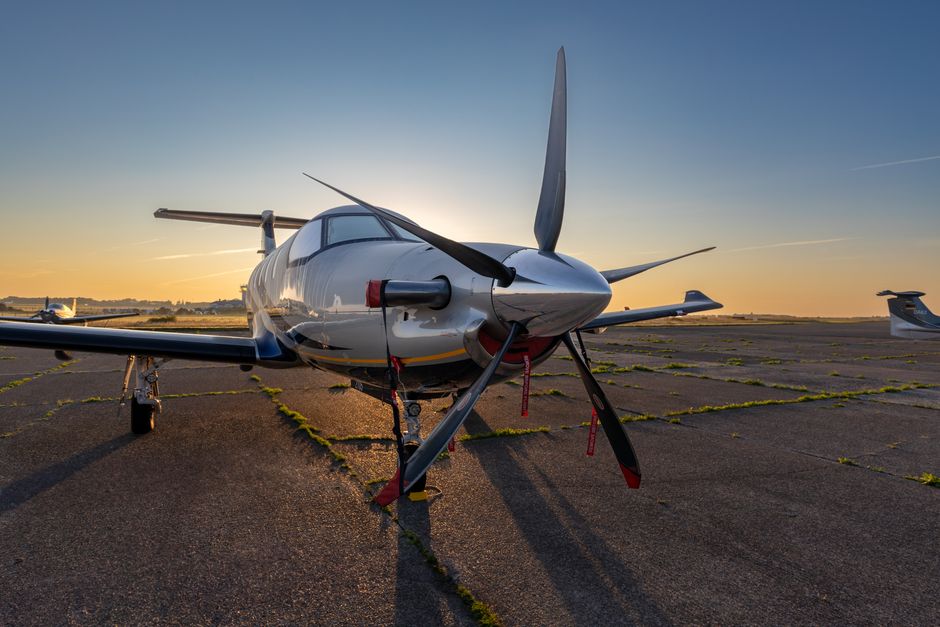
Aviation insurance is crucial for anyone involved in the aviation industry, from commercial airlines to private pilots. It protects against potential losses resulting from accidents, damages, and liabilities. For instance, in 2020, the global aviation insurance market was valued at approximately $14 billion and is projected to grow steadily as air travel becomes more accessible.
Without adequate aviation insurance, the financial repercussions of an accident can be devastating. Legal fees, compensation claims, and repair costs can quickly accumulate, leading to significant financial strain. Thus, having a robust insurance policy is not only a regulatory requirement in many jurisdictions but also a smart business decision.
Moreover, the aviation industry is subject to numerous risks, including mechanical failures, adverse weather conditions, and human errors. Each of these factors underscores the necessity for comprehensive coverage tailored to aviation needs. Understanding these risks helps aviation professionals make informed decisions about their insurance requirements.
Types of Aviation Insurance
Aviation insurance can generally be categorized into several types, each addressing specific risks. The primary types include:
- Liability Insurance: This is the most common form of aviation insurance, providing coverage for bodily injury and property damage caused by the insured aircraft. It protects the pilot and the owner from legal liabilities that may arise from accidents.
- Hull Insurance: Hull insurance covers physical damage to the aircraft itself. This can include damage from accidents, theft, or vandalism. Depending on the policy, it may cover the aircraft’s full value or just a portion.
- Passenger Liability Insurance: This type of insurance specifically covers injuries or fatalities to passengers on board. It is particularly important for commercial operators who carry paying passengers.
- Ground Risk Hull Insurance: This insurance covers damages to the aircraft while it is on the ground, excluding in-flight incidents. It is essential for aircraft that are often parked in high-risk areas.
Choosing the right combination of these insurance types can provide comprehensive protection for operators, enhancing their operational resilience.
Factors Influencing Aviation Insurance Premiums
The cost of aviation insurance premiums can vary significantly based on several factors. Understanding these can help aviation businesses manage their insurance costs more effectively:
- Aircraft Type and Age: The make, model, and age of the aircraft play a critical role in determining premiums. Newer aircraft with advanced safety features may attract lower premiums than older models.
- Usage and Operation: The purpose for which the aircraft is used—be it for commercial, private, or instructional purposes—can influence the premium. Commercial operations generally face higher risks, resulting in higher premiums.
- Geographic Location: The location of operations can also impact premiums. Regions with higher accident rates or adverse weather conditions may incur higher insurance costs.
- Pilot Experience: The experience and qualifications of the pilots operating the aircraft are crucial. Pilots with extensive flying hours and a clean safety record are likely to receive better rates.
By understanding these factors, aviation professionals can make strategic decisions to minimize insurance costs while ensuring adequate coverage.
Claims Process in Aviation Insurance
The claims process in aviation insurance is often complex due to the nature of aviation operations. It typically involves several steps:
- Notification: The insured must promptly notify their insurance provider of any incident that may lead to a claim. Delayed notification can result in complications or denial of claims.
- Investigation: The insurance company will conduct a thorough investigation to assess the circumstances surrounding the incident. This may involve reviewing flight logs, witness statements, and maintenance records.
- Settlement: If the claim is validated, the insurer will negotiate a settlement based on the policy terms. This may involve compensation for damages, legal fees, or other related costs.
Understanding the claims process is vital for aviation professionals, as it sets expectations and prepares them for potential challenges when filing a claim.
Future Trends in Aviation Insurance
As the aviation industry evolves, so too does aviation insurance. Emerging trends include:
- Increased Regulatory Scrutiny: With a growing emphasis on safety and compliance, insurance providers are expected to enhance their underwriting processes, leading to more stringent requirements for coverage.
- Utilization of Technology: The integration of technology in aviation, such as drones and electric aircraft, will necessitate new insurance products tailored to these innovations. Insurers will need to adapt to cover these emerging risks effectively.
- Climate Change Considerations: As climate change impacts weather patterns, insurers may need to reassess risk models and adjust premiums accordingly, particularly for regions prone to extreme weather events.
Staying informed about these trends will be essential for aviation operators to ensure they have the right coverage in place.
Conclusion
Aviation insurance is a critical component of the aviation industry, providing essential protection against a wide range of risks. By understanding the importance, types, and factors influencing aviation insurance, aviation professionals can make informed decisions that safeguard their operations and investments. As the industry continues to evolve, staying abreast of new trends and developments will be vital for maintaining adequate coverage. For more detailed information on aviation insurance, consulting with industry experts can provide tailored solutions to meet specific needs.