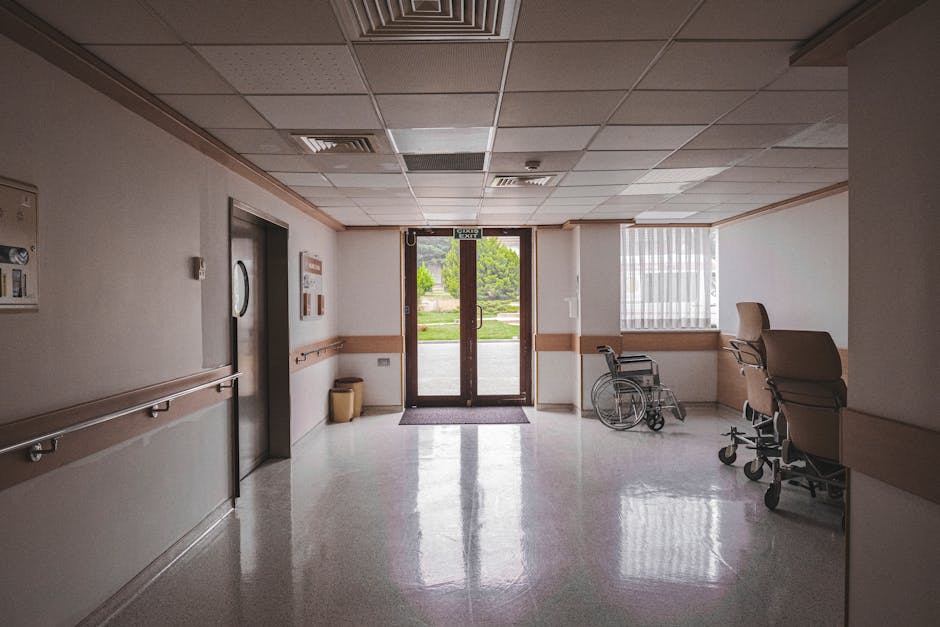










The landscape of mental health care has evolved significantly over the past few decades. Psychiatric hospitals, once seen as institutions for the severely ill, have transformed into crucial components of a comprehensive mental health system. This article explores the role, functions, and challenges faced by psychiatric hospitals today, highlighting their importance in promoting mental well-being.
The Evolution of Psychiatric Hospitals

Historically, psychiatric hospitals were often viewed as places of confinement rather than treatment. In the mid-20th century, the deinstitutionalization movement began, emphasizing the importance of community-based care. As a result, many patients transitioned from large psychiatric institutions to outpatient services, leading to a significant decrease in the population of these hospitals.
However, psychiatric hospitals have adapted to these changes. They now focus on providing acute care and stabilization for individuals experiencing severe mental health crises. For instance, emergency psychiatric services have become a vital part of hospital operations, addressing immediate needs and preventing further deterioration of mental health.
Today, psychiatric hospitals often incorporate modern therapeutic approaches, including medication management, psychotherapy, and holistic interventions. The goal is not only to treat symptoms but also to support patients in their recovery journey, preparing them for reintegration into society.
The Functions of Psychiatric Hospitals
Psychiatric hospitals serve several critical functions within the mental health care system. Firstly, they provide a safe environment for individuals who may pose a risk to themselves or others. This containment allows for intensive treatment and monitoring, which is crucial during acute phases of mental illness.
Secondly, psychiatric hospitals offer specialized treatment programs tailored to various mental health conditions. For example, many hospitals now have dedicated units for conditions such as bipolar disorder, schizophrenia, and severe depression. These specialized units ensure that patients receive care from professionals who understand their specific needs.
Furthermore, psychiatric hospitals play a key role in crisis intervention. They often collaborate with emergency services to respond to mental health emergencies, providing timely care and resources. This integration of services helps to reduce the burden on emergency rooms and ensures that individuals receive appropriate care quickly.
Challenges Faced by Psychiatric Hospitals
Despite their important role, psychiatric hospitals face numerous challenges. One significant issue is the stigma surrounding mental illness, which can deter individuals from seeking necessary help. Many people still associate psychiatric hospitals with negative stereotypes, leading to a reluctance to utilize these services.
Additionally, funding for mental health services, including psychiatric hospitals, often lags behind other areas of healthcare. This financial strain can result in inadequate staffing, limited resources, and outdated facilities. For example, a report by the National Alliance on Mental Illness reveals that nearly 60% of psychiatric facilities in the U.S. are over capacity, leading to longer wait times and reduced quality of care.
Moreover, the integration of mental health care into the broader healthcare system remains a challenge. Although there is increasing recognition of the importance of mental health, many hospitals still operate in silos, making it difficult to coordinate care and ensure continuity for patients.
The Future of Psychiatric Hospitals
Looking forward, the future of psychiatric hospitals will likely involve further integration of technology and community-based services. Telepsychiatry, for example, has gained popularity, allowing patients to access care from the comfort of their homes. This approach not only improves accessibility but also helps to reduce the stigma associated with visiting a psychiatric hospital.
Furthermore, there is a growing emphasis on personalized care and recovery-oriented approaches. Psychiatric hospitals are increasingly adopting evidence-based practices that focus on the individual needs of patients, promoting autonomy and empowerment in the recovery process.
In addition, partnerships with organizations that specialize in mental health, such as community programs and educational institutions, will be vital in creating a supportive network for individuals with mental health conditions. Such collaborations can enhance the continuum of care and ensure that patients receive comprehensive support throughout their recovery journey.
Conclusion
Psychiatric hospitals play a crucial role in the mental health care system, providing essential services to individuals in need. As they continue to evolve, these institutions must address the challenges they face and adapt to the changing landscape of mental health care. By embracing innovative practices and fostering collaboration with community resources, psychiatric hospitals can enhance their effectiveness and contribute significantly to the well-being of individuals suffering from mental health issues. For those exploring specialized services, Psychiatry dubai is an example of how modern psychiatric care can be accessible and effective.