









Septic tanks are a critical component of many households, especially in rural areas where municipal sewage systems are not available. Proper maintenance of these systems is essential to avoid costly repairs and ensure the efficient operation of your wastewater treatment. In this article, we will delve into the importance of septic tank cleaning, how often it should be done, and the best practices for maintaining your septic system.
Understanding Your Septic System
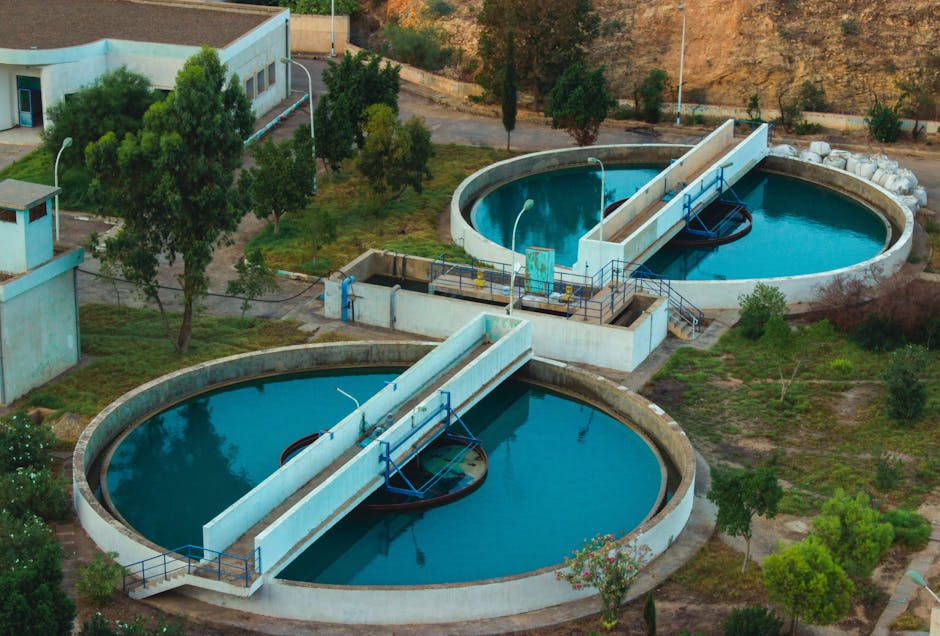
A septic system consists of a septic tank and a drain field, which work together to treat wastewater from your home. The tank separates solids from liquids, allowing the liquid to flow into the drain field for further treatment. Understanding how your septic system works is crucial for effective maintenance.
Typically, a septic tank can hold the waste from a household for several years. However, the accumulation of solids can lead to clogs and backups if not addressed. Regular cleaning is vital to prevent these issues and ensure a long lifespan for your system.
Signs That Your Septic Tank Needs Cleaning
There are several indicators that your septic tank may require cleaning. One of the most common signs is slow draining sinks or toilets, which can indicate a buildup of solids in the tank. Additionally, if you notice foul odors around your yard or sewage surfacing in your drain field, it is time to schedule a cleaning.
Another sign is an unusually lush patch of grass over the drain field, which can indicate that wastewater is leaking out. If you experience any of these signs, it’s crucial to act quickly to avoid more severe problems.
How Often Should You Clean Your Septic Tank?
The frequency of septic tank cleaning can vary based on several factors, including household size, water usage, and the size of the tank itself. Generally, it is recommended to have your septic tank pumped every three to five years. However, larger families or homes with high water usage may require more frequent cleanings.
Some experts suggest keeping a maintenance log to track when your tank was last cleaned, which can help you determine the best schedule for your household. Regular inspections, even if cleaning isn’t necessary, can also help catch potential issues before they become emergencies.
Choosing a Professional Septic Tank Cleaning Service
When it comes to septic tank cleaning, hiring a professional service is often the best choice. Professionals have the necessary equipment and expertise to handle the job safely and effectively. When selecting a service, look for one with positive reviews and proper certifications.
Before hiring a company, inquire about their cleaning process, including how they handle waste disposal. Reputable companies should follow local regulations for waste disposal and provide you with documentation of the service performed.
For ongoing septic maintenance, consider signing up for a service plan that includes regular inspections and cleanings, which can save you money in the long run.
Best Practices for Septic Tank Maintenance
In addition to regular cleaning, there are several best practices to keep your septic system functioning optimally. First, be mindful of what goes down your drains. Avoid flushing non-biodegradable items, grease, or chemicals that can harm the bacteria in your septic tank.
Additionally, consider limiting the use of harsh cleaning products and opting for eco-friendly alternatives that won’t disrupt the balance of your septic system. It’s also important to conserve water by fixing leaks and using water-efficient appliances, as excessive water can overload the system.
Finally, be sure to maintain your drain field by keeping it free of heavy vehicles and structures, which can compact the soil and hinder the system’s function.
Conclusion
Maintaining a septic tank is essential for the health of your home and the environment. Regular cleaning, combined with responsible water usage and proper maintenance practices, can extend the life of your septic system and prevent costly repairs. By understanding how your septic system works and recognizing the signs that it needs attention, you can ensure that your home remains safe and sanitary for years to come.