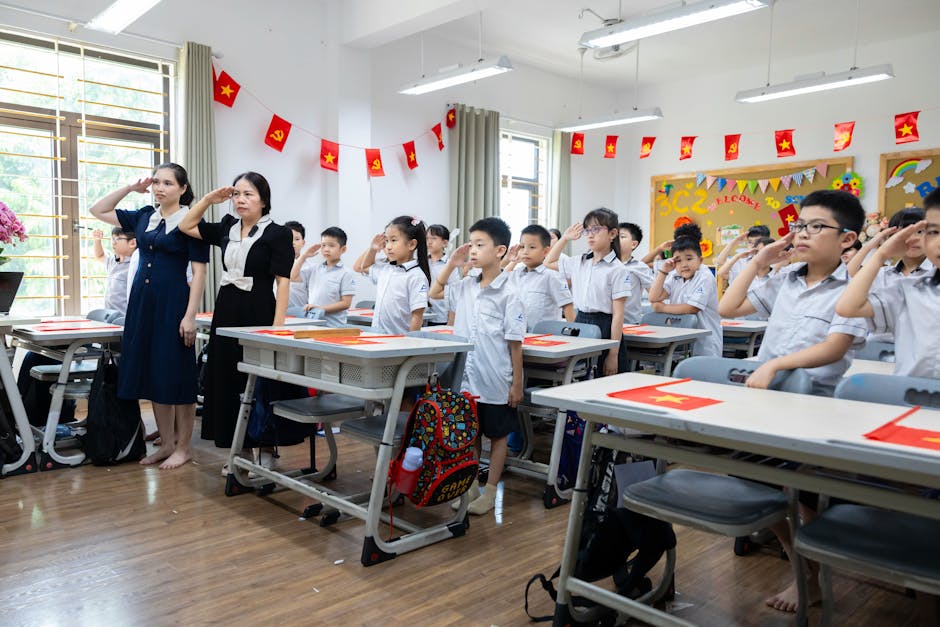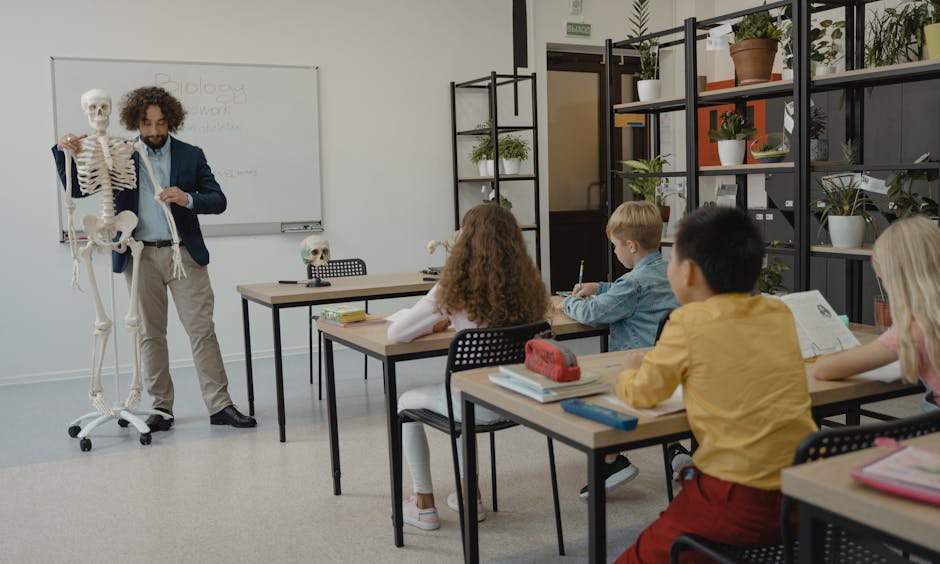










The landscape of education is undergoing significant transformations, driven by technological advancements and shifting societal needs. As we navigate through the 21st century, the importance of adapting educational practices to meet the demands of a rapidly changing world cannot be overstated. This article explores various aspects of modern education, examining how innovation and technology are shaping the future of learning.
Embracing Technology in the Classroom
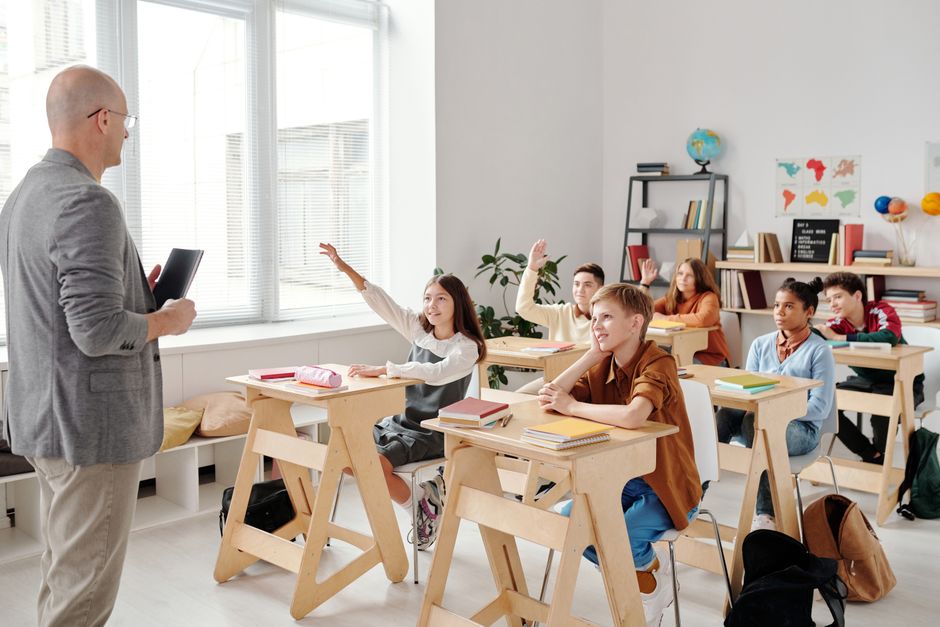
Technology has revolutionized the way we approach education. With the integration of digital tools and resources, educators can create more engaging and interactive learning environments. For instance, platforms that facilitate online learning offer students the flexibility to learn at their own pace, breaking the traditional barriers of classroom education.
Furthermore, the rise of virtual reality (VR) and augmented reality (AR) in education is providing immersive learning experiences that were previously unimaginable. Students can explore historical sites, conduct virtual science experiments, and even travel through the human body, all from their classrooms. These technologies not only enhance understanding but also keep students motivated and excited about learning.
Moreover, data analytics plays a crucial role in personalizing learning experiences. By analyzing student data, educators can identify learning patterns and tailor their teaching methods to meet individual needs. This approach not only improves student outcomes but also fosters a more inclusive educational environment.
The Role of Lifelong Learning
In today’s fast-paced world, the concept of lifelong learning has gained prominence. As industries evolve and new skills are required, individuals must continuously update their knowledge and abilities. Educational institutions are increasingly recognizing the importance of providing opportunities for adult learners to reskill and upskill.
For example, many universities and colleges now offer online courses and certifications that cater to working professionals. This flexibility allows individuals to balance their education with their careers, enabling them to remain competitive in the job market. As a result, lifelong learning is not just an option; it has become a necessity for personal and professional growth.
Additionally, community programs and workshops are emerging as valuable resources for lifelong learners. These initiatives encourage individuals to pursue their interests and passions, fostering a culture of continuous improvement and innovation.
Learning Beyond Borders
The globalization of education has opened doors for students around the world. With the advent of online learning, geographical barriers no longer limit access to quality education. Students can now enroll in courses offered by prestigious universities, regardless of their location.
This international perspective enriches the learning experience, allowing students to collaborate with peers from diverse backgrounds and cultures. Such interactions promote cross-cultural understanding and prepare students for a globalized workforce.
Furthermore, initiatives like student exchange programs and scholarships are encouraging students to explore education in different countries. These experiences not only enhance academic learning but also foster personal growth and adaptability.
The Importance of Soft Skills
While academic knowledge is essential, the importance of soft skills has become increasingly recognized in modern education. Skills such as communication, teamwork, and problem-solving are critical for success in today’s workforce. Educational institutions are now placing greater emphasis on developing these skills alongside traditional curricula.
Project-based learning, for instance, allows students to work collaboratively on real-world problems, fostering teamwork and critical thinking. This hands-on approach not only makes learning more relevant but also prepares students for the challenges they will face in their careers.
Moreover, extracurricular activities such as clubs, sports, and community service provide opportunities for students to develop leadership and interpersonal skills. By encouraging participation in these activities, educational institutions are helping students become well-rounded individuals capable of thriving in various environments.
Conclusion: A Vision for the Future
The future of education is bright, filled with opportunities for innovation and growth. As technology continues to evolve, educational practices must adapt to meet the needs of students and society. Embracing change, fostering lifelong learning, and prioritizing soft skills will be essential in preparing the next generation for the challenges ahead.
As we look to the future, it is crucial for educators, policymakers, and communities to work together in creating an inclusive and dynamic educational landscape. By investing in the future of education, we are not only shaping the lives of individuals but also the future of our society as a whole. In this context, exploring resources that support educational growth, such as toto togel, can provide additional insights into the evolving landscape of learning.