










In a world increasingly challenged by climate change and water scarcity, the importance of efficient irrigation systems cannot be overstated. These systems play a crucial role in agriculture, ensuring that crops receive the necessary water while minimizing waste. This article delves into the various types of irrigation systems available today, their advantages, and the technological innovations driving their efficiency.
Types of Irrigation Systems
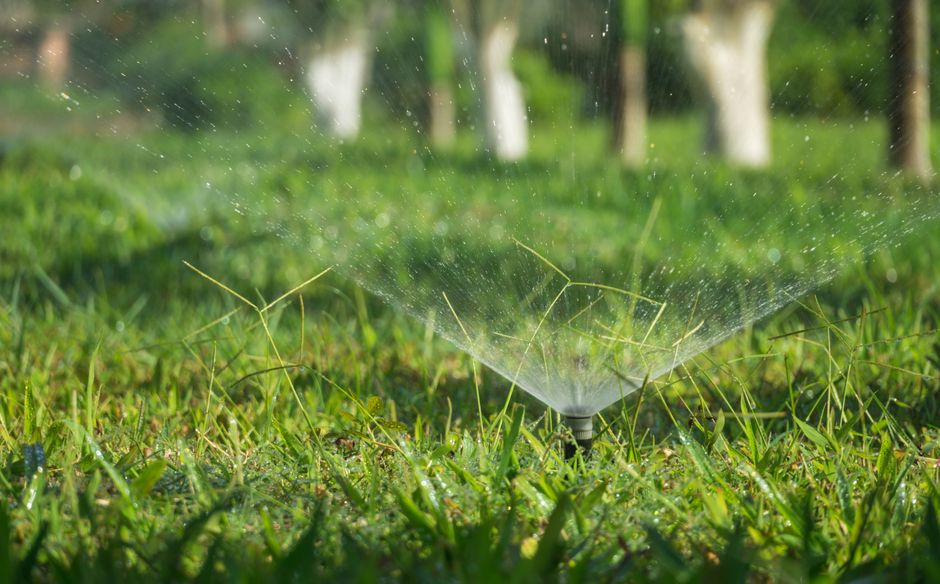
There are several types of irrigation systems, each suited to different agricultural needs and environments. The most common types include drip irrigation, sprinkler systems, and surface irrigation. Drip irrigation is particularly effective for water conservation as it delivers water directly to the plant roots, reducing evaporation and runoff. Sprinkler systems, on the other hand, mimic rainfall, making them ideal for larger fields. Surface irrigation, while traditional, can lead to water wastage if not managed properly.
In recent years, advancements in technology have led to the development of smart irrigation systems. These systems utilize sensors and weather data to optimize water usage, ensuring that crops receive water only when necessary. Such innovations demonstrate how technology can enhance agricultural practices and contribute to sustainability.
Advantages of Efficient Irrigation Systems
The benefits of implementing efficient irrigation systems are manifold. Firstly, they significantly reduce water usage, which is crucial in areas experiencing drought or water shortages. For instance, studies show that drip irrigation can reduce water consumption by up to 50% compared to traditional methods. This not only conserves water but also lowers the costs associated with water sourcing.
Secondly, efficient irrigation leads to improved crop yields. By providing plants with consistent moisture, farmers can enhance the growth and quality of their crops. A well-managed irrigation system can increase agricultural productivity, which is vital for meeting the food demands of a growing global population.
Technological Innovations in Irrigation
The integration of technology into irrigation systems is revolutionizing how farmers manage their water resources. Automated systems equipped with timers and moisture sensors allow for precise control over watering schedules. This level of automation reduces labor costs and minimizes human error, leading to more efficient water use.
Moreover, the advent of mobile applications and data analytics is enabling farmers to monitor their irrigation systems in real-time. For example, farmers can receive alerts about soil moisture levels or weather changes, allowing them to make informed decisions about irrigation. This proactive approach not only conserves water but also enhances crop resilience against climate variability.
Environmental Impact and Sustainability
Implementing modern irrigation systems contributes significantly to environmental sustainability. By reducing water waste and improving crop yields, these systems help preserve local ecosystems and mitigate the effects of climate change. Additionally, the use of renewable energy sources, such as solar-powered pumps, in irrigation systems further minimizes their carbon footprint.
Furthermore, practices such as rainwater harvesting and the recycling of irrigation water are gaining traction. These methods not only provide an alternative water source but also promote responsible water management practices that can lead to a more sustainable agricultural future.
Conclusion
In conclusion, the importance of efficient irrigation systems in modern agriculture cannot be emphasized enough. As the world faces increasing challenges related to water scarcity and climate change, adopting advanced irrigation practices is essential for sustainable farming. By investing in technologies that enhance irrigation efficiency, farmers can ensure food security while protecting precious water resources. For more in-depth information on the various types of irrigation systems, refer to this comprehensive resource on irrigation systems.