








Greenhouses have become a pivotal part of modern agriculture and horticulture, allowing for year-round cultivation of plants regardless of external weather conditions. With the right greenhouse equipment, growers can create an optimal environment that promotes healthy plant growth and maximizes yield. This guide will explore the various types of equipment essential for greenhouse operation, their benefits, and how to select the right tools for your needs.
Understanding Greenhouse Equipment
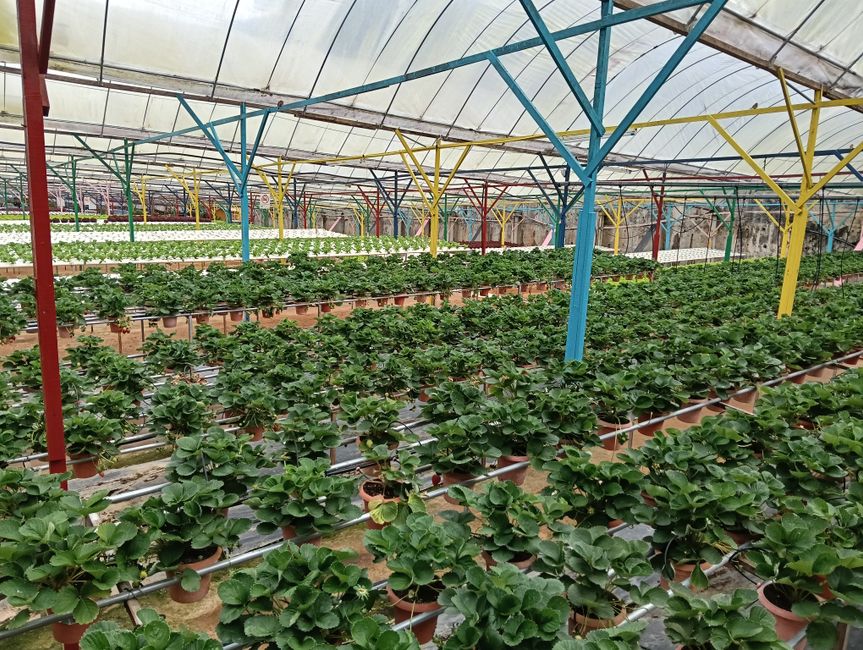
Greenhouse equipment encompasses a wide range of tools and systems designed to enhance plant cultivation. From climate control systems to irrigation solutions, each piece of equipment plays a vital role in maintaining the ideal growing conditions. The right equipment not only supports plant health but also increases efficiency in your operations.
At the heart of any successful greenhouse is the ability to control the climate. This includes managing temperature, humidity, and ventilation. Growers often rely on heaters, fans, and ventilation systems to regulate these factors effectively. For instance, a well-placed fan can prevent hot spots, ensuring even temperature distribution throughout the space.
Additionally, the type of greenhouse structure itself will influence the equipment needed. For example, a high tunnel may require different ventilation solutions compared to a traditional glass greenhouse. Understanding your specific greenhouse design will help in selecting the right greenhouse equipment to optimize plant health.
Climate Control Systems
Maintaining the right climate within a greenhouse is crucial for plant success. Climate control systems typically include heating, cooling, and ventilation equipment. Heating systems, such as radiant heat or hot water systems, are essential for keeping plants warm during colder months. These systems should be adjustable to cater to the specific needs of different plants, as some may require warmer conditions than others.
Cooling systems, including evaporative coolers and shade cloths, help combat the heat during summer months. These systems work in tandem with ventilation to ensure that excess heat does not accumulate, which can be detrimental to plant growth. For example, an evaporative cooler can lower temperatures by up to 20 degrees Fahrenheit, making it an invaluable tool in maintaining optimal conditions.
Furthermore, automated climate control systems are becoming increasingly popular, allowing growers to monitor and adjust conditions remotely. These systems can provide real-time data and alerts, ensuring that growers can respond quickly to any changes.
Irrigation Solutions
Watering is one of the most critical aspects of greenhouse management. Efficient irrigation systems help ensure that plants receive the right amount of water without waste. There are various irrigation methods, including drip irrigation, ebb and flow systems, and overhead sprinklers. Each method has its advantages and can be selected based on plant type and greenhouse size.
Drip irrigation is particularly favored in greenhouse setups due to its efficiency. It delivers water directly to the plant roots, minimizing evaporation and runoff. This method can also be easily automated, allowing for precise control over watering schedules.
Additionally, incorporating rainwater harvesting systems can provide a sustainable water source for greenhouses. This not only reduces water costs but also promotes eco-friendly practices in agriculture.
Lighting Systems
For many greenhouse plants, adequate lighting is essential for photosynthesis and overall growth. Natural sunlight is often supplemented with artificial lighting systems, especially during shorter days or in regions with less sunlight. LED grow lights are a popular choice due to their energy efficiency and ability to provide specific light spectrums that promote plant growth.
Understanding the light requirements of your plants is vital. Some plants thrive under full-spectrum light, while others may require more subdued lighting conditions. By utilizing adjustable lighting systems, growers can cater to the unique needs of their crops, ultimately leading to healthier plants and higher yields.
Moreover, integrating lighting systems with automated timers can enhance efficiency, ensuring that plants receive the right amount of light throughout their growth cycles.
Maintenance and Upkeep
The efficiency of greenhouse equipment relies heavily on regular maintenance and upkeep. This includes cleaning, inspections, and timely repairs. Neglecting maintenance can lead to equipment failure, which may compromise plant health and yield.
Establishing a routine maintenance schedule is advisable, ensuring that all systems are functioning optimally. For instance, cleaning filters in heating and cooling systems can improve efficiency and prolong the life of the equipment.
Additionally, training staff on proper equipment handling and maintenance can prevent damage and ensure that all systems are used effectively. Investing in quality equipment and adhering to a maintenance schedule are critical steps in maximizing the lifespan of your greenhouse setup.
Conclusion
In conclusion, equipping your greenhouse with the right tools is essential for creating an optimal growing environment. From climate control systems to effective irrigation solutions, each type of equipment plays a key role in supporting plant health and maximizing production. By understanding the various options available and implementing proper maintenance practices, growers can ensure their greenhouses operate at peak efficiency, leading to successful and sustainable agricultural practices.