









The restaurant industry is undergoing a significant transformation, and at the forefront of this change is the Point of Sale (POS) system. These systems not only streamline payment processes but also enhance customer experience and operational efficiency. In this article, we will explore the various facets of restaurant POS systems, their benefits, and how they can elevate your dining establishment.
Understanding Restaurant POS Systems
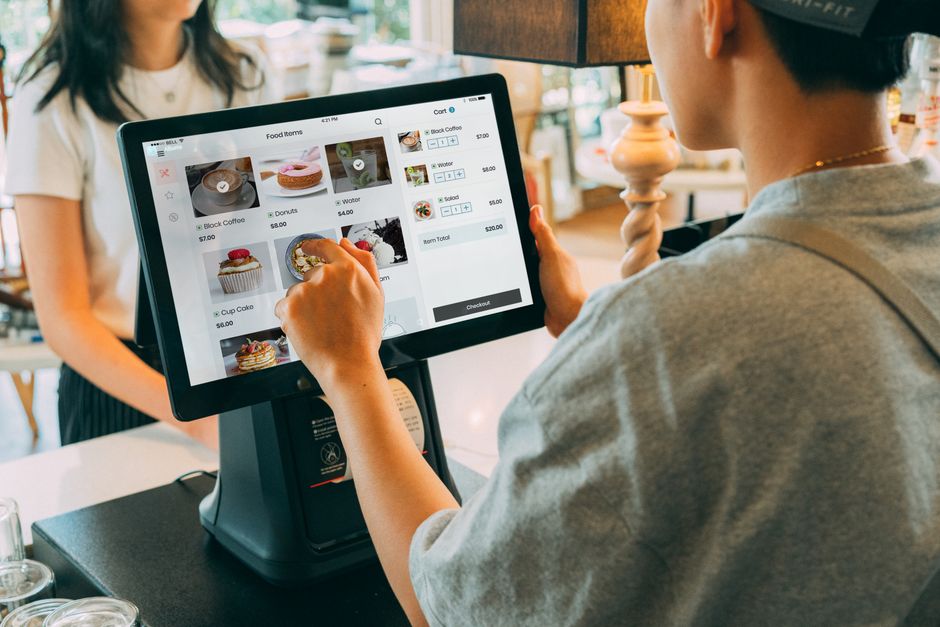
A restaurant POS system is a combination of hardware and software that allows restaurant owners to manage their operations efficiently. Traditionally, POS systems were simple cash registers, but modern solutions have evolved into comprehensive management tools. They not only handle transactions but also track sales, manage inventory, and even analyze customer data.
Today’s restaurant POS systems are cloud-based, which means that they can be accessed from anywhere with an internet connection. This flexibility allows restaurant owners to monitor their operations in real-time, making it easier to make informed decisions on the fly.
Furthermore, the integration of mobile payment options has made transactions faster and more convenient for customers, enhancing their overall dining experience. A well-implemented restaurant POS system can significantly reduce wait times, leading to increased customer satisfaction and repeat business.
Key Features of Modern POS Systems
Modern restaurant POS systems come equipped with a multitude of features designed to streamline operations. One of the most crucial features is inventory management. This allows restaurant owners to track their stock levels in real-time, ensuring that they never run out of essential ingredients.
Additionally, many POS systems offer employee management tools. This feature enables managers to schedule shifts, track hours worked, and even manage payroll directly through the system. This not only saves time but also minimizes the errors associated with manual tracking.
Another significant feature is the ability to analyze sales data. Restaurant owners can access detailed reports on sales trends, peak hours, and popular menu items. This data is invaluable for making strategic decisions regarding menu changes, marketing efforts, and staffing needs.
Benefits of Implementing a POS System
The benefits of implementing a restaurant POS system are manifold. Firstly, they enhance operational efficiency. By automating various processes, staff can focus more on providing excellent customer service rather than being bogged down by administrative tasks.
Secondly, a robust POS system can improve accuracy in order processing. With the integration of order management features, the risk of human error is significantly reduced. This ensures that customers receive exactly what they ordered, leading to higher satisfaction levels.
Moreover, many modern POS systems offer loyalty programs and promotional tools. These features help restaurants engage with their customers and encourage repeat visits. By analyzing customer data, restaurants can tailor promotions to specific demographics, resulting in more effective marketing strategies.
Selecting the Right POS System for Your Restaurant
Choosing the right POS system for your restaurant is critical. With a myriad of options available, it’s essential to consider several factors. First, assess the size of your restaurant and the specific needs you have. A small café may not require the same functionalities as a large fine-dining establishment.
Next, consider the ease of use. The POS system should be intuitive and easy for staff to operate. Training time can be a significant factor in implementation, so a user-friendly interface is crucial.
Finally, evaluate the level of customer support offered by the POS provider. A responsive support team can make all the difference in resolving any issues that arise during operation, ensuring minimal disruption to your business.
The Future of Restaurant POS Systems
As technology continues to advance, the future of restaurant POS systems looks promising. Innovations such as artificial intelligence and machine learning are beginning to play a role in how these systems operate. For instance, predictive analytics can help restaurant owners forecast demand and optimize inventory accordingly.
Additionally, the integration of contactless payments and mobile ordering is becoming increasingly important, especially in a post-pandemic world where safety and convenience are prioritized. Restaurants that adapt to these changes will have a competitive edge in the evolving market.
In conclusion, a well-chosen and implemented restaurant POS system can be a game-changer for any dining establishment. From improving operational efficiency to enhancing customer experience, the benefits are clear. As the industry continues to evolve, staying ahead with the right technology will be essential for success.
Conclusion
In summary, the restaurant POS system is no longer just a tool for processing payments; it is an integral part of restaurant management. By understanding its features, benefits, and future potential, restaurant owners can make informed decisions that will help their business thrive. Embracing modern technology in the form of a restaurant POS system is not just a trend; it is a necessity for any restaurant aiming for success in the competitive food service industry.