









Handmade pizza has gained immense popularity in recent years, captivating food enthusiasts and home cooks alike. With its unique flavors, fresh ingredients, and the satisfaction of creating something from scratch, it represents more than just a meal; it’s an experience. In this article, we will explore the various facets of handmade pizza, from its history and essential ingredients to the techniques that elevate it to an art form.
The Rich History of Pizza
The origins of pizza can be traced back to ancient civilizations, where flatbreads were topped with various ingredients. However, the modern pizza that we know and love today emerged in Naples, Italy, in the late 18th century. Initially, it was a street food enjoyed by the poorer classes, but it quickly gained popularity among all social strata.
As pizza spread across the globe, different regions adapted it to their tastes. In the United States, for example, the introduction of tomato sauce and the use of mozzarella cheese became staples. Each region has its unique spin on this beloved dish, but the handmade aspect remains a common thread.
Essential Ingredients for Handmade Pizza
Creating the perfect handmade pizza starts with high-quality ingredients. The foundation of any great pizza is the dough, which is typically made from flour, water, yeast, and salt. Many chefs prefer using high-protein flour to achieve a chewy texture and a delightful crust.
Another critical component is the sauce. Whether you opt for a classic tomato sauce, a pesto base, or even a white sauce, the key is to use fresh, high-quality ingredients. Fresh tomatoes, herbs like basil and oregano, and a touch of garlic can transform a simple sauce into something extraordinary.
Toppings are where your creativity can shine. Traditional toppings like pepperoni, mushrooms, and bell peppers are always popular, but don’t shy away from experimenting with gourmet ingredients such as prosciutto, arugula, or truffle oil. Each topping adds a different flavor profile, allowing you to customize your pizza to your taste.
Techniques for Crafting the Perfect Crust
The crust is arguably the most crucial part of any pizza, and mastering the technique to create a perfect crust is essential. One popular method is the ‘Neapolitan style,’ which requires a high-temperature oven, ideally around 800°F (427°C). This method allows for a crispy exterior while maintaining a soft, chewy interior.
For those who may not have access to a wood-fired oven, using a pizza stone in a conventional oven can yield excellent results. Preheating the stone helps mimic the high temperatures of traditional pizza ovens, ensuring that your crust cooks evenly. Additionally, allowing the dough to rise slowly in the refrigerator for 24 to 48 hours can enhance its flavor and texture.
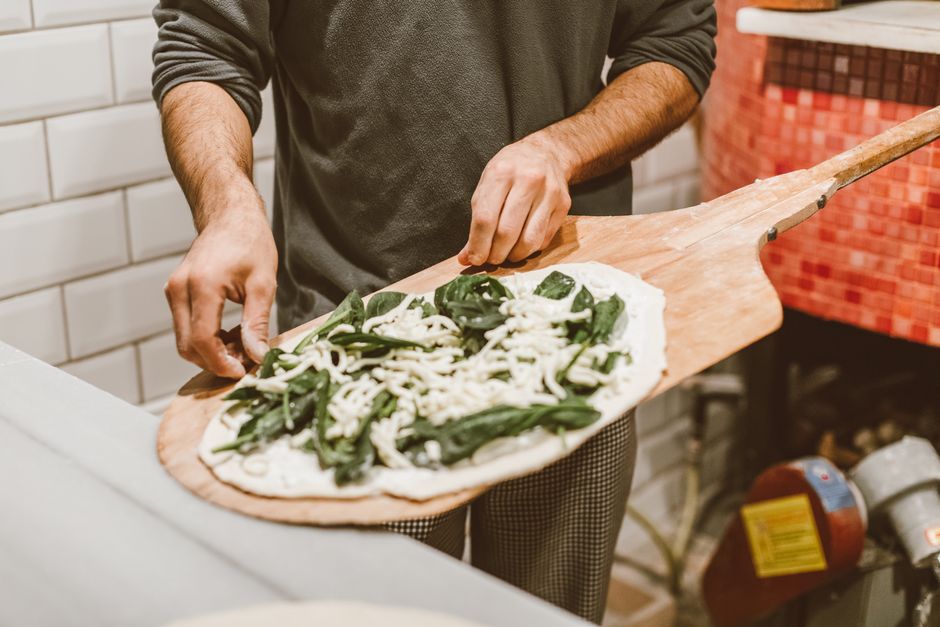
Remember, the way you shape your dough also impacts the final product. Hand-stretching the dough rather than using a rolling pin preserves air bubbles, which contribute to the dough’s lightness and texture.
Cooking Methods: Wood-Fired vs. Conventional Ovens
When it comes to cooking your handmade pizza, the method can significantly affect the outcome. Wood-fired ovens are the gold standard for pizza enthusiasts. They provide intense heat and impart a unique flavor that is hard to replicate. The quick cooking time—often just a minute or two—results in a beautifully charred crust.
However, many home cooks rely on conventional ovens. With the right techniques, you can achieve impressive results. Using a pizza stone, as mentioned earlier, is essential. Additionally, placing your pizza on the highest rack of the oven can help mimic the intense heat of a wood-fired oven.
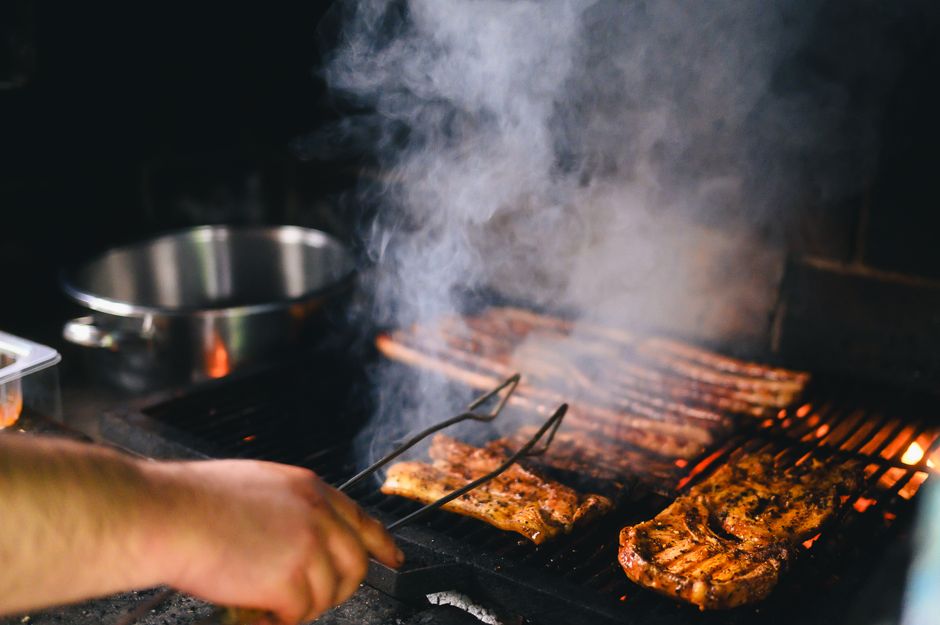
For those who want a more unconventional approach, grilling pizza on a gas or charcoal grill can also yield delicious results. The direct heat from the grill creates a crispy crust while allowing for a smoky flavor. Just be sure to use a pizza stone or grill pan to prevent the dough from falling through the grates.
Experimenting with Toppings and Flavors
One of the most exciting aspects of handmade pizza is the ability to experiment with different toppings and flavors. While classic toppings are always a hit, consider trying out unique combinations that reflect your personality and culinary preferences.
For instance, a white pizza topped with ricotta cheese, spinach, and garlic offers a delightful twist on the traditional tomato-based pizzas. Alternatively, a barbecue chicken pizza with tangy sauce, red onions, and cilantro can bring a whole new dimension to your pizza night.
Don’t forget about dessert pizzas! Using a sweet dough base and topping it with Nutella, fruits, and a sprinkle of powdered sugar can turn your handmade pizza into a delightful ending to your meal.
For those seeking a luxurious option, consider pairing your pizza with a fine wine or craft beer. The right beverage can elevate your homemade pizza experience, making it a truly memorable meal.
Conclusion: The Joy of Handmade Pizza
Handmade pizza is not just about the ingredients or the techniques; it is about the joy of creation and the satisfaction of sharing your culinary masterpiece with family and friends. By understanding the history, mastering the essential ingredients, and honing your techniques, you can create pizzas that rival those found in the finest pizzerias.
So, gather your ingredients, roll up your sleeves, and embark on your pizza-making journey. Whether you choose to keep it classic or venture into adventurous toppings, the world of handmade pizza is boundless, and each creation will be a reflection of your personal taste and style. And if you’re looking for a unique twist, check out LUXURY 777 for inspiration!