










Perfume is more than just a fragrant concoction; it is an art form that transcends time and culture. The history of perfume can be traced back to ancient civilizations, where it was used in religious rituals, for personal adornment, and even for medicinal purposes. Today, the perfume industry is a multi-billion dollar market, with countless options available for every preference and occasion. This article delves into the intricate world of perfume, exploring its history, components, and the significance of scent in our lives.
The History of Perfume
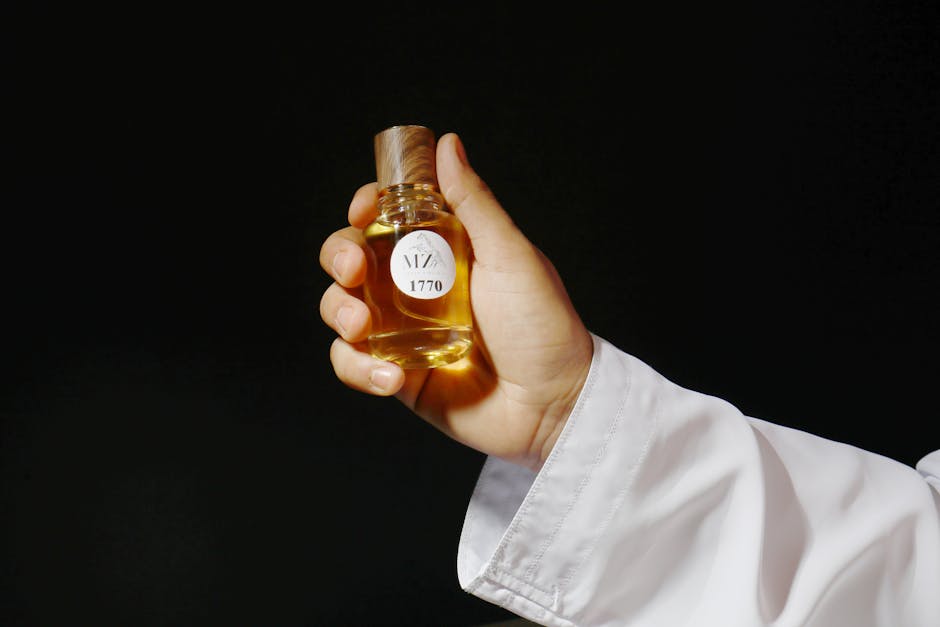
The origins of perfume date back to ancient Egypt, where it was used in religious ceremonies and as offerings to the gods. Egyptians were known for their advanced knowledge of aromatic substances, utilizing perfumes made from oils, herbs, and resins. As trade routes expanded, the knowledge of perfumery spread to other cultures, including the Greeks and Romans, who began to experiment with their own formulations.
During the Middle Ages, the art of perfume-making flourished in the Islamic world, where scholars documented various techniques and ingredients. The Renaissance period saw the rise of modern perfumery in Europe, particularly in France, which became the epicenter of fragrance creation. The evolution of perfume continued through the centuries, leading to the establishment of renowned perfume houses that still dominate the market today.
Components of Perfume
At its core, perfume is composed of three main components: top notes, middle notes, and base notes. The top notes are the initial scents that are perceived upon application, providing a first impression that typically lasts for about 15 minutes. Common top notes include citrus fruits, such as lemon and bergamot, which impart freshness.
The middle notes, also known as heart notes, emerge after the top notes fade. They form the main body of the fragrance and can last for several hours. Floral scents, like jasmine and rose, are popular choices for middle notes. Finally, the base notes are the lingering scents that provide depth and richness to the perfume, often featuring ingredients like vanilla, musk, or sandalwood. Together, these components create a harmonious scent profile that evolves over time.
The Significance of Scent
Scent plays a crucial role in our daily lives, influencing our emotions, memories, and even our behavior. Studies have shown that certain fragrances can evoke powerful memories, transporting individuals back to specific moments in time. For instance, the smell of a loved one’s perfume may remind someone of cherished memories spent together.
Moreover, scent can significantly impact our mood and well-being. Aromatherapy, a practice that utilizes essential oils for therapeutic purposes, highlights the psychological effects of fragrance. Scents such as lavender are known for their calming properties, while citrus scents can energize and uplift. It is no wonder that many individuals choose their perfumes based not only on preference but also on the emotional response they elicit.
The Art of Perfumery
The creation of a perfume is a meticulous process that requires both creativity and technical skill. Perfumers, often referred to as “noses,” spend years honing their craft, learning to blend various ingredients to create unique fragrances. The selection of raw materials is paramount, as the quality and origin of ingredients can significantly influence the final product.
In recent years, niche perfume houses have emerged, offering artisanal fragrances that emphasize originality and craftsmanship. One such example is Maison Francis Kurkdjian (MFK), known for its innovative compositions that challenge traditional notions of scent. These niche brands cater to fragrance enthusiasts seeking something beyond mainstream offerings, often experimenting with unconventional ingredients and scent profiles.
Choosing the Right Perfume
With an overwhelming array of options available, choosing the right perfume can be a daunting task. It is essential to consider personal preferences, occasions, and even seasonal changes when selecting a fragrance. Many individuals opt for lighter, fresher scents during the warmer months, while richer, more complex fragrances are preferred in the colder seasons.
It is also important to test perfumes on the skin, as body chemistry plays a significant role in how a fragrance develops over time. A scent that smells delightful in the bottle may not have the same effect once applied. Sampling different fragrances and giving them time to settle can help individuals find their signature scent.
Conclusion
The world of perfume is vast and captivating, offering a sensory experience that is both personal and universal. From its rich history to its intricate components and emotional significance, perfume holds a unique place in our lives. As we navigate through various scents, we not only enhance our personal expression but also connect with the memories and emotions that they evoke. Embracing the art of perfumery allows us to celebrate the beauty of fragrance in all its forms.