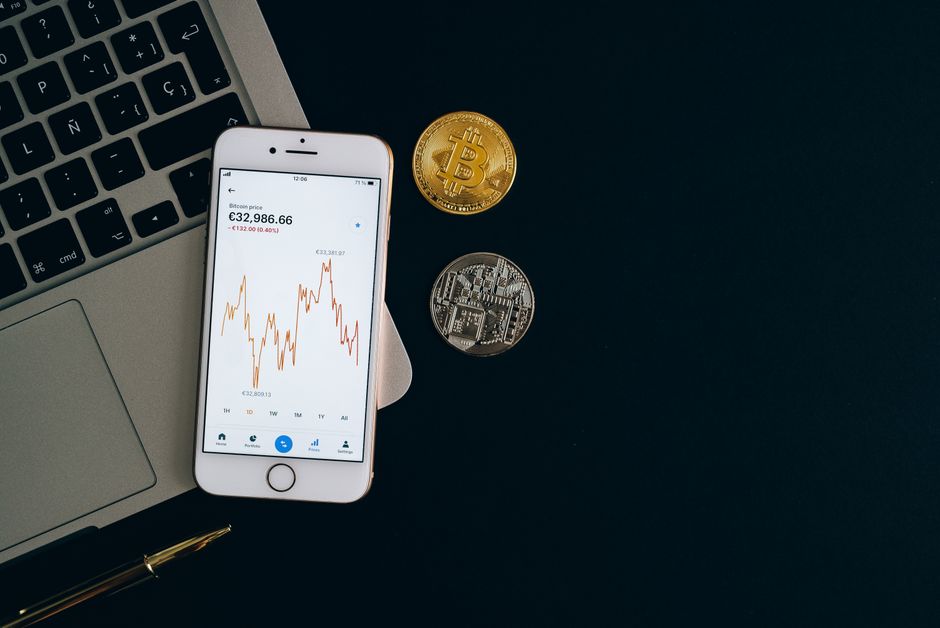










The world of investment has evolved dramatically over the last decade, with cryptocurrencies emerging as a significant force. Among these digital assets, Bitcoin stands out as a pioneer, capturing the attention of both seasoned investors and newcomers alike. This article delves into the intricacies of Bitcoin investment, examining its potential, risks, and the factors influencing its market dynamics.
Understanding Bitcoin and Its Value Proposition

Bitcoin, created in 2009 by an anonymous entity known as Satoshi Nakamoto, was the first cryptocurrency to utilize blockchain technology. This decentralized digital currency allows for peer-to-peer transactions without the need for intermediaries, making it a revolutionary financial instrument. Its limited supply of 21 million coins introduces scarcity, which many argue is a crucial factor driving its value.
Investors often view Bitcoin as a new form of gold, a store of value that can serve as a hedge against inflation. The growing acceptance of Bitcoin by institutional investors and corporations further legitimizes its status. For instance, Tesla’s decision to invest $1.5 billion in Bitcoin in early 2021 significantly boosted its market profile, showcasing the increasing interest from traditional finance.
Market Volatility and Investment Risks
Despite its potential, Bitcoin investment is fraught with risks. The cryptocurrency market is notoriously volatile, with prices capable of swinging dramatically within short periods. For example, Bitcoin experienced a meteoric rise in late 2020, reaching an all-time high of nearly $65,000 in April 2021, only to plummet below $30,000 in July. Such fluctuations can lead to substantial financial losses for investors who do not employ sound risk management strategies.
Moreover, the regulatory landscape surrounding Bitcoin is still evolving. Governments worldwide are grappling with how to classify and regulate cryptocurrencies, which can lead to uncertainties for investors. For instance, China’s crackdown on Bitcoin mining in 2021 sent shockwaves through the market, resulting in significant price corrections.
Strategies for Investing in Bitcoin
For those considering entering the Bitcoin market, having a well-defined investment strategy is crucial. One common approach is dollar-cost averaging (DCA), where investors purchase a fixed amount of Bitcoin at regular intervals, regardless of price fluctuations. This strategy can mitigate the impact of volatility and reduce the risk of making poor investment decisions based on emotional reactions to market movements.
Another strategy involves diversification. While Bitcoin can be a substantial part of a cryptocurrency portfolio, diversifying into other digital assets can help to spread risk. Altcoins, such as Ethereum or Cardano, may offer different growth potentials and can help balance an investor’s exposure.
Using secure wallets for storage is also essential. Investors should consider hardware wallets or reputable exchanges that prioritize security, as the risk of hacking and theft is prevalent in the cryptocurrency ecosystem.
The Future of Bitcoin Investment
The future of Bitcoin investment looks promising, with several trends indicating its growing acceptance. Institutions are increasingly integrating Bitcoin into their portfolios, and financial products related to Bitcoin, such as exchange-traded funds (ETFs), are gaining traction. These developments could potentially stabilize Bitcoin’s price and attract more mainstream investors.
Furthermore, as global economic uncertainties continue, more investors may seek alternative assets like Bitcoin as a hedge against traditional market risks. The ongoing advancements in blockchain technology and the increasing adoption of decentralized finance (DeFi) could further enhance Bitcoin’s utility and value proposition.
Conclusion
In conclusion, Bitcoin investment presents both opportunities and challenges. While its potential for high returns is enticing, investors must navigate the inherent risks associated with market volatility and regulatory changes. By employing sound investment strategies and staying informed about market trends, individuals can position themselves to take advantage of the evolving landscape of Bitcoin investment. As the world continues to embrace digital currencies, understanding the nuances of this asset class will be essential for any investor looking to thrive in the future of finance. For more insights on bitcoin investment, consider exploring reliable financial resources.