









Chemical peel treatments have gained significant popularity in the realm of skincare, offering a solution for various skin concerns ranging from acne scars to uneven skin tone. These treatments utilize chemical solutions to exfoliate the skin, promoting the growth of new, healthier skin. As we delve into the world of chemical peels, it is essential to understand the different types, their benefits, and what to expect during and after the procedure.
Understanding Chemical Peels
Chemical peels are categorized into three main types: superficial, medium, and deep peels. Superficial peels typically use mild acids like alpha-hydroxy acids (AHAs) to gently exfoliate the outer layer of skin. Medium peels penetrate deeper into the skin using trichloroacetic acid (TCA) or glycolic acid, while deep peels, often performed under sedation, can utilize phenol to reach the innermost layers of skin.
The choice of peel depends on individual skin concerns and goals. For instance, superficial peels can be ideal for those seeking a quick refresh, while a deep peel may be more suitable for individuals with significant sun damage or deeper wrinkles.
Benefits of Chemical Peels
The benefits of chemical peels extend beyond mere aesthetic improvements. Many patients report enhanced skin texture, reduced appearance of fine lines, and a more even skin tone. According to a study published in the Journal of Clinical and Aesthetic Dermatology, over 50% of participants noted substantial improvements in their skin condition after undergoing a series of chemical peel treatments.
Moreover, chemical peels can effectively treat various skin conditions, including acne, hyperpigmentation, and melasma. They work by removing damaged skin cells, allowing for the regeneration of new cells, which can lead to clearer and healthier skin.
What to Expect During a Chemical Peel Treatment
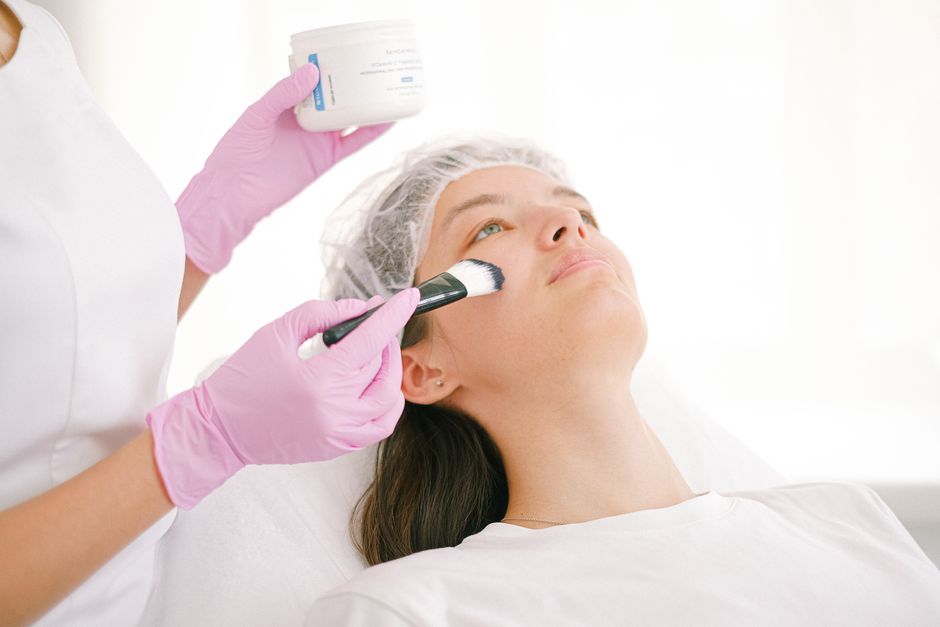
Before undergoing a chemical peel, a consultation with a qualified dermatologist is crucial. During this consultation, skin type, goals, and medical history will be assessed. For the treatment itself, the skin is first cleansed, and the chemical solution is applied. Depending on the type of peel, the application process may take anywhere from 15 minutes to an hour.
Patients may experience a tingling sensation during the treatment, which is generally well-tolerated. After the peel, it is common to experience redness and peeling, similar to a sunburn, which can last for several days to weeks depending on the depth of the peel.
Post-Treatment Care
Proper aftercare is essential to achieve optimal results from a chemical peel. Skin may be sensitive following the procedure, so it’s advisable to avoid sun exposure and use gentle skincare products. The use of a broad-spectrum sunscreen is highly recommended to protect the newly exposed skin.
Additionally, patients should avoid picking or peeling the skin, as this can lead to scarring or infection. Most dermatologists recommend a specific skincare routine tailored to the individual’s skin type and condition to enhance recovery and results.
Conclusion
Chemical peel treatments can be a transformative solution for those seeking to improve their skin condition and enhance their overall appearance. By understanding the different types of peels, their benefits, and the importance of post-treatment care, individuals can make informed decisions about their skincare journeys. For those considering a chemical peel treatment, consulting with a qualified professional is the first step toward achieving radiant and healthy skin. To learn more about the various procedures available, check out this chemical peel treatment guide.