








The world is facing unprecedented challenges in food production and sustainability. Traditional farming methods are struggling to keep pace with the growing population and climate change. As a result, innovative solutions are emerging, and one of the most promising is vertical farming technology. This article explores the various aspects of vertical farming, including its benefits, challenges, and the future it holds.
Understanding Vertical Farming
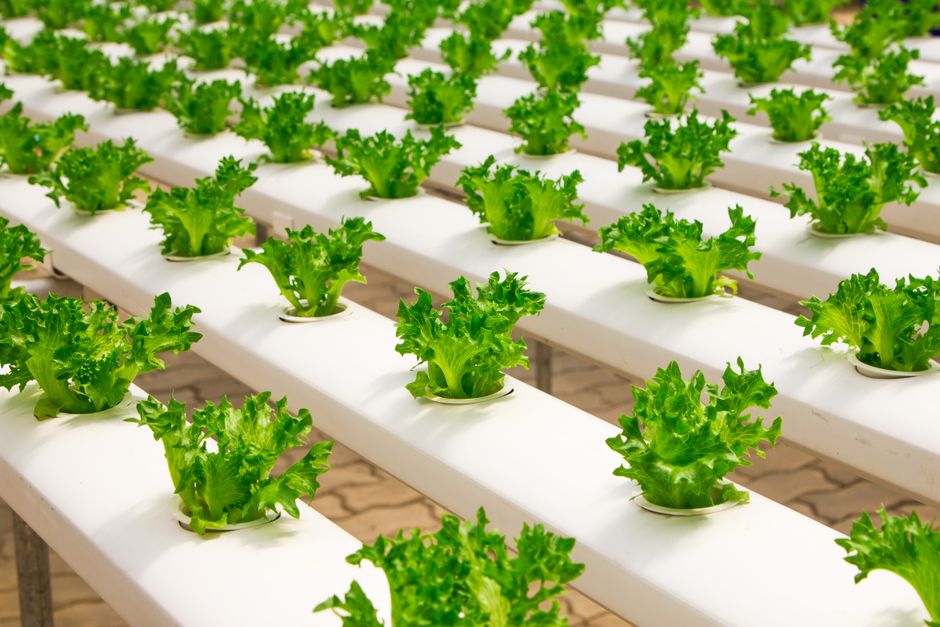
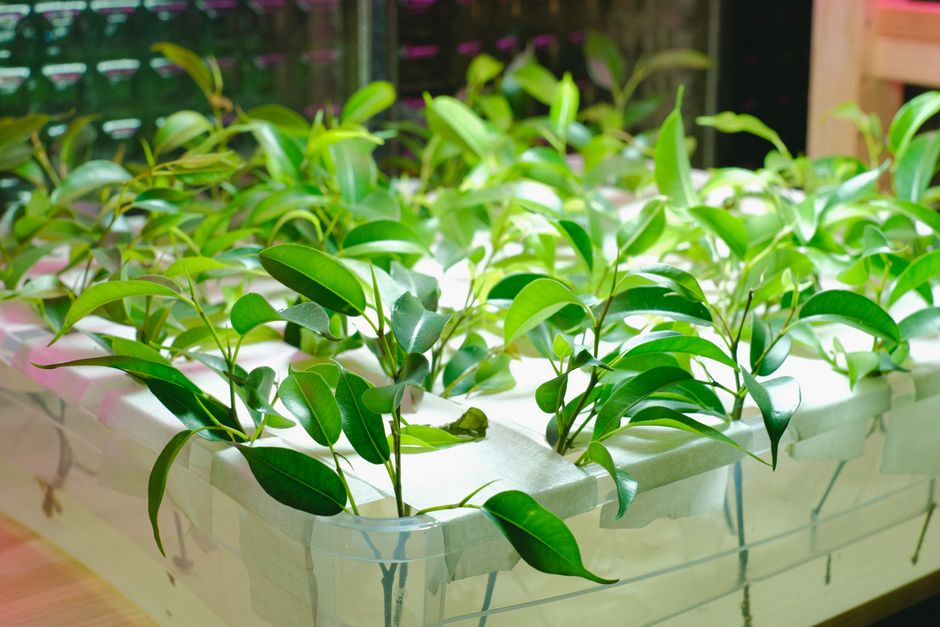
Vertical farming is a modern agricultural practice that involves growing crops in stacked layers or vertically inclined surfaces. This method often utilizes controlled-environment agriculture (CEA) technology, which allows for the precise control of light, temperature, water, and nutrients. The concept is not entirely new; however, recent advancements in technology have made it more feasible and attractive.
One of the key aspects of vertical farming is its ability to significantly reduce the amount of land needed for cultivation. By growing upwards rather than outwards, vertical farms can produce food in urban areas where land is scarce. This can reduce the transportation costs and carbon footprint associated with delivering food from rural farms to city dwellers.
Furthermore, vertical farms can operate year-round, independent of weather conditions. This consistent production can help stabilize food supply and prices, which is crucial in times of crisis. As cities continue to expand, the relevance of vertical farming technology will only increase.
Benefits of Vertical Farming
Vertical farming technology offers numerous benefits that make it an attractive alternative to traditional farming methods. First and foremost, it enhances food security by enabling local food production. With vertical farms located in urban centers, fresh produce can be delivered to consumers within hours of harvest, improving the quality and nutritional value of food.
Additionally, vertical farming requires significantly less water than conventional farming. According to studies, these systems can use up to 90% less water due to closed-loop systems that recycle water and nutrients. This efficiency is critical in areas facing water scarcity.
Moreover, vertical farms can be designed to use renewable energy sources, further reducing their environmental impact. For instance, solar panels can be installed on rooftops, providing energy for lighting and climate control. This integration of renewable energy not only reduces costs but also promotes sustainability.
Challenges Facing Vertical Farming
Despite its many advantages, vertical farming technology faces several challenges that must be addressed for it to reach its full potential. One of the primary hurdles is the high initial investment required for setup. The cost of technology, infrastructure, and operational expenses can be daunting for new entrants to the market.
Furthermore, while vertical farms can produce a variety of crops, they are often limited in terms of scale and crop diversity. Certain crops, such as grains, may not be suitable for vertical farming due to their growth habits. This limitation can restrict the overall output and economic viability of such farms.
Another challenge is the reliance on technology. Vertical farms depend heavily on sophisticated systems for climate control, lighting, and nutrient delivery. Any failure in these systems can lead to significant crop losses, making it imperative for operators to maintain high levels of reliability and performance.
The Future of Vertical Farming
As technology continues to advance, the future of vertical farming looks promising. Innovations in artificial intelligence and machine learning are being integrated into vertical farm operations to enhance efficiency and productivity. These technologies can optimize growing conditions in real-time, leading to better yields and reduced waste.
Moreover, the rise of smart cities presents a unique opportunity for vertical farming. Urban planners are increasingly recognizing the importance of integrating food production into city designs. This trend can lead to more partnerships between local governments and vertical farming companies, fostering growth and investment in the sector.
Moreover, as consumers become more aware of sustainability issues, there is a growing demand for locally sourced, fresh produce. Vertical farms can cater to this demand, positioning themselves as leaders in the sustainable food movement. Additionally, educational initiatives surrounding urban farming can inspire a new generation of farmers and entrepreneurs.
Conclusion
In summary, vertical farming technology represents a groundbreaking approach to food production that addresses some of the most pressing challenges of our time. While there are obstacles to overcome, the benefits of vertical farming, including increased food security, reduced environmental impact, and the potential for innovative growth, are substantial. As we look to the future, embracing vertical farming technology will be crucial in creating a more sustainable and resilient food system for generations to come. For more information on this revolutionary industry, consider exploring resources on vertical farming technology.