









The electric vehicle (EV) market is witnessing a transformative shift as the world moves towards sustainable energy solutions. With the increasing demand for electric vehicles, the role of EV battery suppliers has never been more critical. These suppliers not only provide the essential components that power EVs but also play a significant role in determining the performance, range, and overall efficiency of electric vehicles. This article delves into the dynamics of the EV battery supply chain, current trends, and the future landscape of battery technology.
The Growing Demand for Electric Vehicles
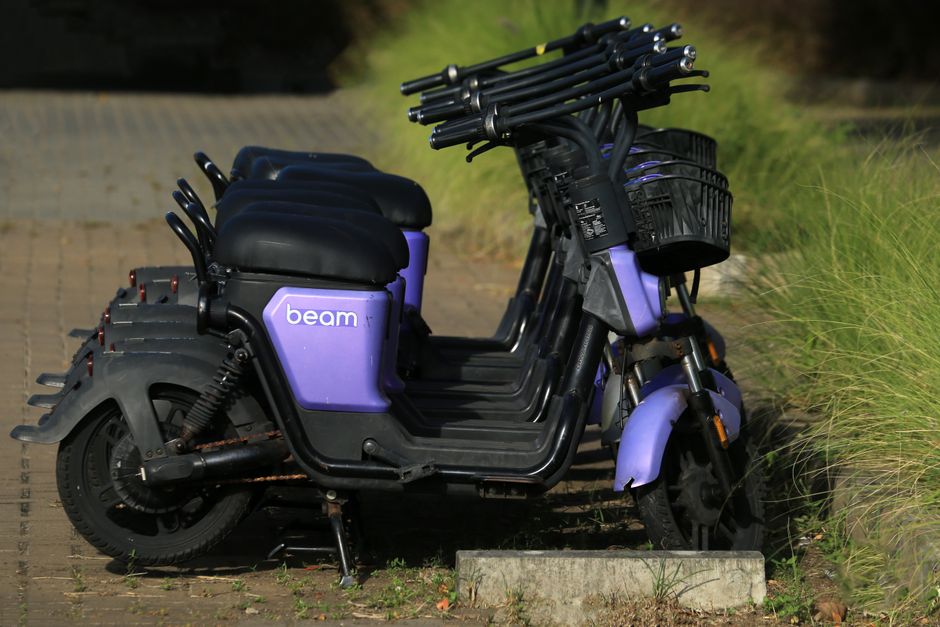
The expansion of the electric vehicle market is fueled by several factors, including environmental concerns, government incentives, and advancements in battery technology. According to a report by the International Energy Agency (IEA), global EV sales reached 3 million units in 2020, a significant increase from previous years. This surge in demand creates vast opportunities for battery suppliers, who must scale up their production capabilities to meet the needs of automakers.
Furthermore, as countries commit to reducing carbon emissions, the transition to electric vehicles is becoming a strategic priority. For instance, the European Union aims to have at least 30 million zero-emission vehicles on the road by 2030. This regulatory environment enhances the role of EV battery suppliers as they become essential partners in achieving these ambitious targets.
Key Players in the EV Battery Market
The EV battery market is characterized by a few dominant players who have established themselves as leaders in the field. Companies like Panasonic, LG Chem, and CATL are at the forefront, supplying batteries to major automotive manufacturers worldwide. Their ability to innovate and improve battery chemistry is crucial for enhancing energy density and reducing costs.
For example, Tesla collaborates with Panasonic to produce batteries for its electric cars at the Gigafactory in Nevada. This partnership not only helps Tesla secure a steady supply of batteries but also allows for the continuous improvement of battery technology. As competition intensifies, emerging companies are also entering the market, seeking to carve out their niche by offering specialized battery solutions.
Technological Innovations and Trends
Innovation is a driving force in the EV battery sector. Recent advancements in battery technology, such as solid-state batteries and lithium-sulfur batteries, promise to revolutionize the industry. Solid-state batteries, in particular, are gaining attention due to their potential for higher energy density and improved safety compared to traditional lithium-ion batteries.
Additionally, research indicates that these new battery technologies could lead to faster charging times, longer lifespans, and reduced costs. As these innovations come to market, they will significantly impact the competitive landscape, compelling existing suppliers to adapt or risk losing market share. For instance, the transition to solid-state technology could redefine partnerships between automakers and battery suppliers.
Sustainability and Environmental Considerations
As the EV market grows, so does the scrutiny on the environmental impact of battery production and disposal. The extraction of raw materials, such as lithium and cobalt, raises ethical and environmental concerns. Therefore, battery suppliers are increasingly focusing on sustainable practices throughout the supply chain.
Many companies are investing in recycling technologies to reclaim valuable materials from used batteries, thereby reducing the need for new raw material extraction. For example, companies like Redwood Materials are developing processes to recycle lithium-ion batteries, which is crucial for minimizing waste and promoting sustainability within the industry.
The Future Outlook for EV Battery Suppliers
The future of EV battery suppliers is promising yet challenging. As the demand for electric vehicles continues to rise, suppliers must innovate and adapt to meet evolving market needs. The shift towards more sustainable and efficient battery technologies will likely dominate the industry landscape in the coming years.
Moreover, geopolitical factors and supply chain disruptions, as seen during the COVID-19 pandemic, highlight the importance of building resilient supply chains. Battery suppliers must develop strategies to mitigate risks and ensure a stable supply of materials and components.
Conclusion
In conclusion, the role of EV battery suppliers is crucial in shaping the future of the automotive industry. With the growth of electric vehicles and the push for sustainable energy solutions, these suppliers must navigate a rapidly changing landscape filled with opportunities and challenges. By embracing innovation, focusing on sustainability, and strengthening partnerships, EV battery suppliers can position themselves for success in this dynamic market.