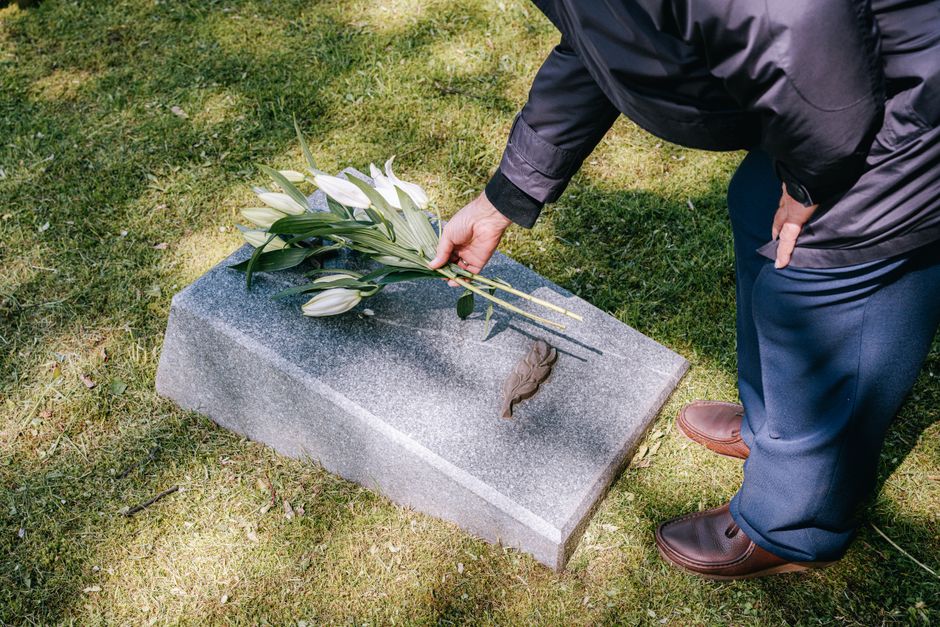










Crime scene cleanup is a critical and often overlooked aspect of crime and trauma recovery. While many focus on the investigation and legal proceedings following a crime, the aftermath often leaves behind physical and emotional remnants that require professional attention. This article delves into the complexities of crime scene cleanup, highlighting its importance, the processes involved, and the challenges faced by professionals in this field.
Understanding Crime Scene Cleanup
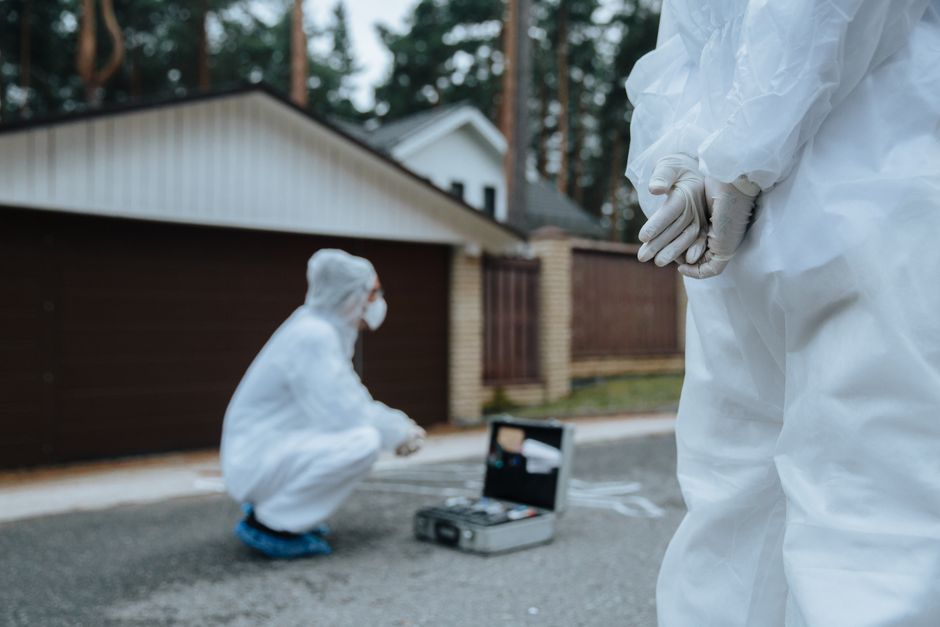
Crime scene cleanup, often referred to as biohazard remediation, involves the thorough cleaning and sanitization of areas where violent crimes, accidents, or other traumatic events have occurred. This process not only removes harmful pathogens and contaminants but also restores the site to a safe and usable state. Professionals in this field are trained to handle hazardous materials, including blood, bodily fluids, and other biohazards, ensuring that the area is safe for future use.
Many people may not realize that the responsibility for cleanup typically falls on the property owner or the victim’s family, which can add emotional strain to an already traumatic situation. This is where crime scene cleanup services come into play, providing much-needed expertise and support during difficult times.
The Cleanup Process
The crime scene cleanup process is meticulous and often follows specific protocols to ensure safety and compliance with health regulations. Initially, professionals assess the scene to determine the extent of the contamination and the necessary cleanup procedures. This may involve securing the area and wearing protective gear to prevent exposure to hazardous materials.
Once the assessment is completed, the cleaning process begins. This typically includes the removal of contaminated materials, such as carpeting, furniture, or structural elements that cannot be adequately sanitized. Following this, surfaces are cleaned and disinfected using specialized chemicals that eliminate pathogens. This step is crucial as it not only ensures safety but also helps to mitigate lingering odors that can be distressing for those returning to the site.
After the physical cleanup, a thorough inspection is conducted to confirm that all biohazardous materials have been properly addressed. The final step often involves odor removal and restoration of the area, leaving it in a condition that is safe and habitable.
Challenges in Crime Scene Cleanup
Working in crime scene cleanup presents numerous challenges. First and foremost is the emotional toll it can take on cleanup professionals. They often encounter traumatic scenes and must navigate the emotional weight of the situations they are handling. This requires not only technical skill but also emotional resilience.
Additionally, crime scene cleanup professionals must stay informed about regulations and best practices, as these can vary by location. They often undergo continuous training to ensure they are equipped to handle new challenges, such as emerging pathogens or changes in health and safety laws.
Another challenge is the stigma associated with crime scenes. Many people are understandably apprehensive about returning to a location where a traumatic event occurred. Cleanup professionals must not only ensure that the site is safe but also work to alleviate the concerns of those affected, providing reassurance throughout the process.
The Importance of Professional Services
While some may consider attempting DIY cleanup, the risks involved cannot be overstated. Improper handling of biohazardous materials can lead to serious health risks, not only for the individual attempting the cleanup but also for others who may enter the space afterward. This is why hiring professional crime scene cleanup services is crucial.
Professionals are not only trained in the technical aspects of cleanup but also in dealing with the emotional aftermath of trauma. They provide a valuable service that allows families and property owners to focus on healing rather than the daunting task of cleanup. Moreover, professional services are typically insured and licensed, providing an added layer of security and peace of mind.
For those interested in learning more about the specifics of this field, resources are available that detail the intricacies of crime scene cleanup, emphasizing the importance of expert intervention in these sensitive situations.
Conclusion
Crime scene cleanup is a vital service that plays a crucial role in the recovery process following traumatic events. Understanding the complexities of this field helps to underscore its importance in ensuring safety and facilitating healing. By relying on trained professionals, individuals can navigate the difficult aftermath of crime and trauma with the support they need.