










As industries evolve, the demand for automation has surged, leading to a significant transformation in manufacturing processes. Industrial automation not only enhances efficiency but also reduces operational costs and improves product quality. However, to fully leverage these advantages, choosing the right industrial automation supplier is crucial. This article delves into the importance of selecting a reliable supplier, the factors to consider, and the future trends in industrial automation.
Understanding Industrial Automation
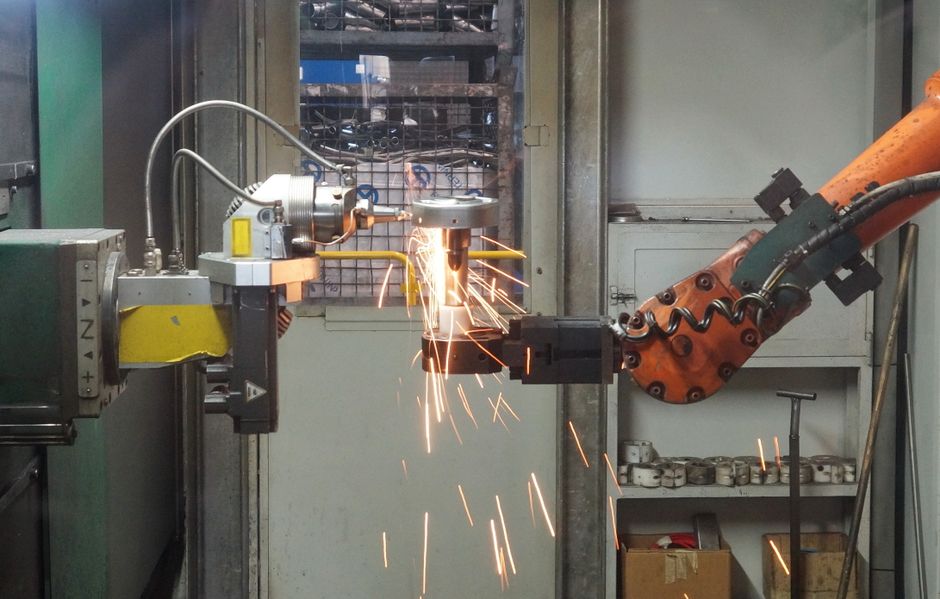
Industrial automation refers to the use of control systems such as computers, robots, and information technologies to handle different processes and machinery in an industry. This transition from manual operations to automated processes has revolutionized the manufacturing landscape. The global industrial automation market size was valued at approximately $175 billion in 2020 and is expected to grow at a compound annual growth rate (CAGR) of about 9% from 2021 to 2028.
Automation technologies can lead to significant improvements in productivity, safety, and quality. For example, integrating robotic systems can speed up production lines and reduce human error, ultimately leading to higher customer satisfaction. As industries continue to adapt to new technologies, the role of a dependable industrial automation supplier becomes increasingly vital.
Key Factors in Choosing an Industrial Automation Supplier
When selecting an industrial automation supplier, there are several factors to consider. First, the supplier’s experience and reputation in the industry are paramount. A supplier with a proven track record is more likely to understand the complexities of automation solutions.
Additionally, the range of products and services offered is essential. A comprehensive supplier can provide everything from sensors to complete automation systems, ensuring compatibility and streamlined integration. Moreover, consider the supplier’s customer service and support. Reliable post-installation support can make a significant difference in resolving issues quickly and maintaining operational efficiency.
Lastly, assess the supplier’s technological advancements. Suppliers who invest in research and development can provide cutting-edge solutions that keep pace with industry changes. A partnership with a forward-thinking supplier can help businesses stay competitive in a rapidly evolving market.
The Role of Automation in Industry 4.0
Industry 4.0 represents the current trend of automation and data exchange in manufacturing technologies. It encompasses cyber-physical systems, the Internet of Things (IoT), and cloud computing. As businesses strive to become more interconnected, the role of an industrial automation supplier is pivotal.
Through Industry 4.0, suppliers can offer solutions that integrate various processes, leading to smarter manufacturing environments. For instance, real-time data analytics can optimize production schedules, predict maintenance needs, and improve supply chain management.
Statistics indicate that companies adopting Industry 4.0 technologies have seen productivity increases of up to 30%. This growth highlights the importance of aligning with the right industrial automation supplier who can facilitate this transformation.
Case Studies: Success Stories in Automation
Many companies have successfully transformed their operations through effective partnerships with industrial automation suppliers. For example, a leading automotive manufacturer implemented a fully automated assembly line in collaboration with a reputable supplier. The result was a 40% increase in production efficiency and a significant reduction in downtime.
Another case is a food processing company that utilized automation to streamline its packaging operations. By integrating advanced robotics and machine learning solutions, the company improved its packaging speed by 50% and enhanced product quality, leading to higher customer satisfaction.
These success stories underline the potential benefits of working with a skilled industrial automation supplier. The right partner can provide tailored solutions that meet specific industry needs, driving innovation and efficiency.
Future Trends in Industrial Automation
The future of industrial automation is poised for exciting developments. Emerging technologies such as artificial intelligence (AI) and machine learning are expected to play a significant role in shaping the industry. AI can optimize processes and enhance decision-making, while machine learning algorithms can analyze vast amounts of data to identify patterns and improve operations.
Moreover, sustainability is becoming a focal point in industrial automation. Suppliers are increasingly focusing on eco-friendly solutions that minimize waste and energy consumption. This trend not only meets regulatory requirements but also appeals to environmentally conscious consumers.
As automation continues to evolve, businesses must stay informed about the latest trends and technologies. Partnering with the right industrial automation supplier can ensure that companies are equipped to adapt and thrive in this dynamic landscape.
Conclusion
In conclusion, the importance of selecting a reliable industrial automation supplier cannot be overstated. As industries continue to embrace automation, the right partnership can lead to significant improvements in efficiency, productivity, and competitiveness. By considering key factors such as experience, product range, customer support, and technological advancements, businesses can make informed decisions that pave the way for future success in an increasingly automated world.