







When it comes to construction projects, having the right equipment can make all the difference. Among the various types of machinery, excavators are essential for digging, moving, and grading. For many contractors and construction companies, renting an excavator can be a cost-effective solution that provides flexibility and access to the latest technology. This guide will delve into the ins and outs of excavator rental, helping you understand when and how to rent this vital piece of equipment.
Why Rent an Excavator?
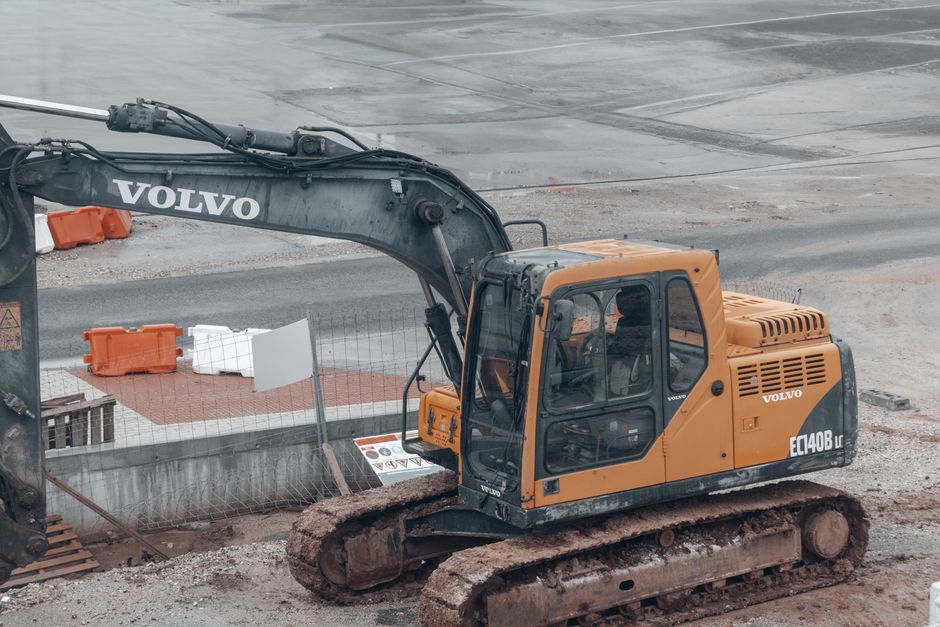
Renting an excavator has numerous advantages, particularly for those who may not need the equipment on a permanent basis. One of the primary reasons is cost savings. Purchasing an excavator can require a significant capital investment, which may not be feasible for smaller companies or one-off projects. By opting for excavator rental, you can access high-quality machinery without the financial burden of ownership.
Moreover, renting allows you to select the specific model that best suits your project’s requirements. Different excavators are designed for various tasks, such as mini excavators for small jobs or larger models for heavy-duty work. This flexibility enables you to tailor your equipment choices to your project’s needs and timelines.
Additionally, many rental companies offer maintenance and support services. This means you can focus on your project while the rental company takes care of technical issues, repairs, and regular maintenance, ensuring that the equipment remains in optimal condition.
Choosing the Right Excavator
When it comes to renting an excavator, it’s crucial to choose the right one for your specific needs. Consider the following factors:
Project Size: For smaller, residential projects, a compact or mini excavator may be sufficient. These machines are easier to maneuver and can access tight spaces. However, for larger commercial or industrial projects, a standard or heavy-duty excavator may be necessary to handle more demanding tasks.
Attachments: Excavators can be fitted with various attachments, such as buckets, augers, or hammers, depending on the job at hand. When renting, inquire about available attachments and ensure that the rental company can provide the necessary tools to maximize the excavator’s versatility.
Operating Weight: The weight of the excavator affects its stability and performance. Lighter models are easier to transport and less likely to cause damage to existing surfaces, while heavier models can handle tough terrain and larger loads. Make sure to choose an excavator that matches the conditions of your work site.
Rental Terms and Pricing
Understanding the rental terms and pricing is essential for making an informed decision. Typically, rental rates vary based on the type of excavator, duration of the rental, and any additional services offered by the rental company. Here are some key considerations:
Daily vs. Weekly Rates: Most rental companies offer flexible pricing structures, allowing you to choose between daily, weekly, or monthly rentals. For short-term projects, a daily rate may be more cost-effective, while longer projects might benefit from a weekly or monthly rate.
Insurance and Deposits: Many rental companies require a security deposit to cover potential damages or loss. Additionally, it’s wise to consider insurance options to protect yourself from liability in case of accidents or equipment failure during your rental period.
Delivery and Pick-Up: Check if the rental company offers delivery and pick-up services. Some companies may include these services in the rental fee, while others may charge additional fees. Understanding these logistics can help you plan your project more effectively.
Tips for a Successful Excavator Rental Experience
To ensure a smooth and successful excavator rental experience, consider the following tips:
1. Plan Ahead: Don’t wait until the last minute to rent your equipment. Planning ahead allows you to secure the right excavator for your project and avoid delays.
2. Communicate Clearly: When discussing your rental needs with the rental company, be clear about your project requirements, timelines, and any specific features you need in an excavator.
3. Train Your Operators: Make sure that your team is trained and competent in operating the excavator safely. Many rental companies provide operator training, so take advantage of this service if it’s offered.
4. Inspect the Equipment: Before taking possession of the excavator, conduct a thorough inspection to ensure it is in good working condition. Report any damage or issues to the rental company immediately.
Conclusion
Excavator rental can be a smart and efficient choice for construction projects of all sizes. By understanding the benefits, choosing the right equipment, and following best practices during the rental process, you can enhance your project’s success while managing costs effectively. Whether you are a seasoned contractor or a DIY enthusiast, making informed decisions regarding excavator rental will undoubtedly lead to better outcomes on the job site.