










Summer is a wonderful time for kids, especially for elementary school students who are brimming with energy and curiosity. One of the best ways for them to spend their summer is by participating in summer camps. These camps not only provide a fun and engaging environment but also offer numerous benefits that can contribute to a child’s development. In this article, we will explore the various aspects of summer camps designed specifically for elementary school students, from the types of activities available to the long-term advantages of attending such camps.
Types of Summer Camps for Elementary School Students
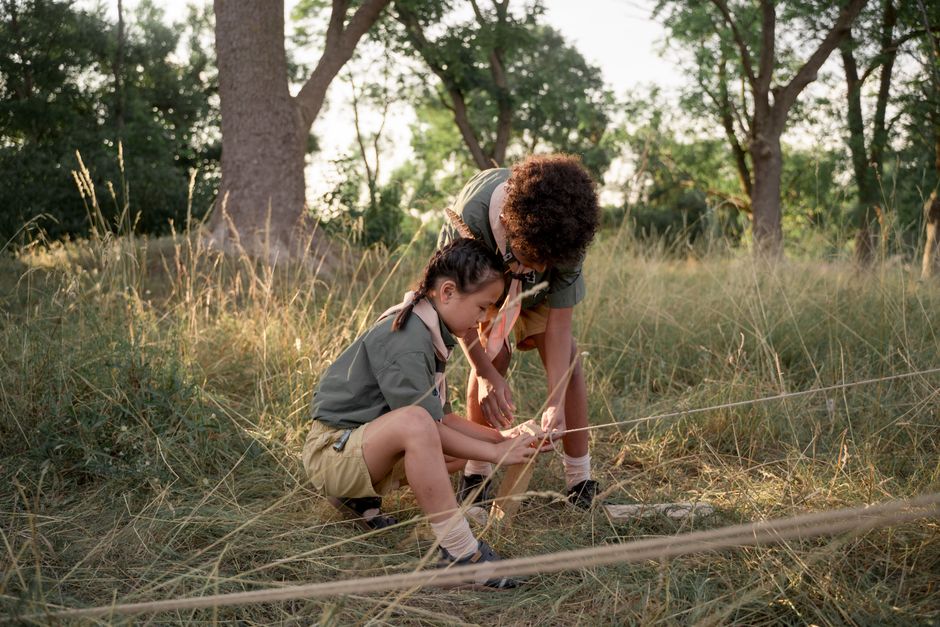
When it comes to summer camps, there is a plethora of options available to cater to the diverse interests of children. Generally, summer camps can be categorized into several types:
1. **Academic Camps**: These camps focus on enhancing students’ academic skills through fun and engaging activities. Subjects like science, mathematics, and reading are often incorporated into hands-on learning experiences.
2. **Sports Camps**: For those who are athletically inclined, sports camps offer a chance to develop skills in various sports, ranging from soccer to swimming. These camps usually emphasize teamwork and physical fitness.
3. **Arts and Crafts Camps**: Creativity is encouraged in arts and crafts camps where children can explore their artistic talents, from painting to sculpting. Such camps help in fostering imagination and fine motor skills.
4. **Adventure Camps**: These camps focus on outdoor activities such as hiking, camping, and survival skills. They not only teach children about nature but also promote resilience and independence.
5. **Specialty Camps**: Some camps are tailored for specific interests like robotics, coding, or performing arts. These camps can ignite a lifelong passion in children.
Benefits of Summer Camps for Children
Attending summer camps can provide numerous benefits for elementary school students, both socially and academically. Some of the key advantages include:
1. **Social Skills Development**: Summer camps are a melting pot of children from different backgrounds. This environment encourages kids to make new friends, work in teams, and improve their communication skills.
2. **Independence and Self-Confidence**: Being away from home and engaging in various activities helps children build independence. Successfully completing tasks and overcoming challenges at camp fosters a sense of achievement, boosting their self-esteem.
3. **Physical Activity**: With the rise of screen time, summer camps promote physical activity and a healthy lifestyle. Engaging in sports and outdoor activities keeps children active and helps combat obesity.
4. **Exposure to New Experiences**: Summer camps often introduce children to new hobbies and interests that they may not encounter in a regular school environment. This exposure can help them discover new passions.
5. **Enhanced Learning**: Many summer camps incorporate educational components into their programs. For example, a camp focused on environmental science may involve hands-on learning about ecosystems while engaging in outdoor adventures.
Choosing the Right Summer Camp
With so many options available, selecting the right summer camp for your child can be overwhelming. Here are some tips to guide your decision:
1. **Assess Your Child’s Interests**: Consider what your child enjoys doing and which activities they are most excited about. This will help narrow down your choices significantly.
2. **Research Camp Reputation**: Look for reviews and testimonials from other parents. A camp with a strong reputation for safety and positive experiences is crucial.
3. **Visit the Camp**: If possible, take a tour of the camp facilities. This will give you a sense of the environment and help you gauge whether it’s a good fit for your child.
4. **Evaluate Staff Qualifications**: Inquire about the camp counselors’ qualifications and training. Well-trained staff can provide a safe and enriching experience for children.
5. **Consider the Location and Duration**: Depending on your child’s age and comfort level, you may prefer a day camp or an overnight camp. Evaluate the location to ensure it’s convenient for you.
Preparing Your Child for Summer Camp
Once you’ve chosen a summer camp, it’s essential to prepare your child for the experience. Here are some steps to make the transition smoother:
1. **Discuss Camp Expectations**: Talk to your child about what to expect at camp, including the types of activities they’ll be doing and the importance of following camp rules.
2. **Pack Together**: Involve your child in packing their bag. This not only makes them feel included but also helps them remember what they need to bring.
3. **Practice Independence**: If it’s an overnight camp, consider having a practice run by spending a night at a relative’s house to get your child accustomed to being away from home.
4. **Encourage Positivity**: Remind your child to approach the camp experience with an open mind and to make the most of their time there.
5. **Stay in Touch**: Plan a schedule for communication, whether it’s through phone calls or letters, to help your child feel connected to home while they are at camp.
Conclusion
Summer camps for elementary school students present a unique opportunity for children to grow, learn, and have fun during their break from school. By selecting the right camp and preparing your child adequately, you can ensure they have a memorable and enriching experience. For those looking for a comprehensive program that focuses on both education and enjoyment, consider options like the サマーキャンプ 小学生. With the right camp, your child can return from summer feeling more confident, independent, and ready for the new school year ahead.