









In recent years, the concept of sustainable gardening has taken center stage, with aquaponics emerging as a leading method for cultivating plants and fish in a symbiotic environment. An aquaponics kit allows individuals to create their own mini-ecosystem where fish waste provides organic nutrients for plants, while the plants help filter and purify the water for the fish. This innovative approach not only promotes environmental sustainability but also offers a fresh and healthy food source. In this article, we will explore the various components, benefits, and considerations of using an aquaponics kit.
Understanding Aquaponics
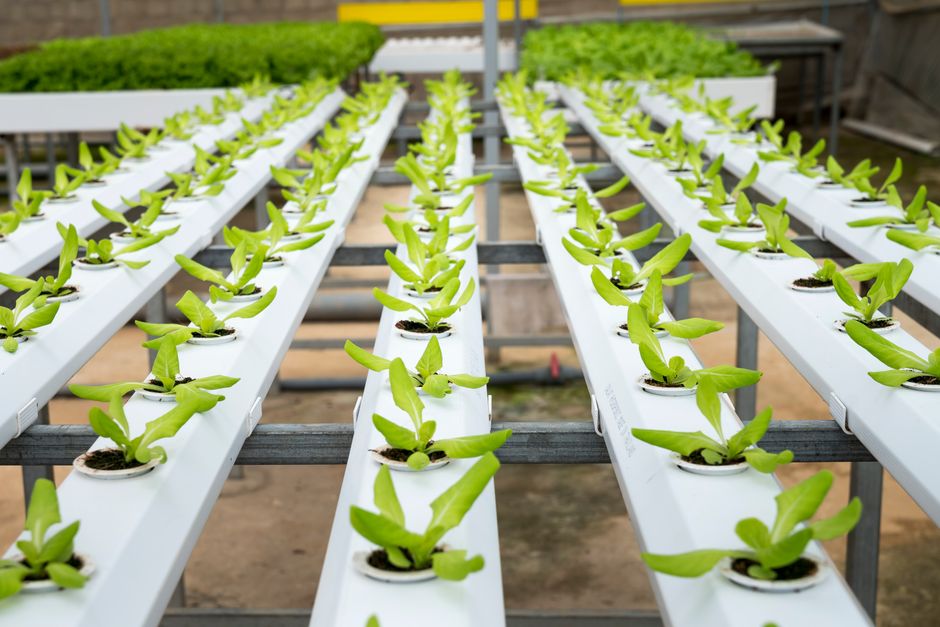
Aquaponics is a combination of aquaculture (raising fish) and hydroponics (growing plants in water). It operates on a closed-loop system where fish and plants coexist and support each other’s growth. Fish produce waste that is rich in nutrients, which is then broken down by beneficial bacteria into forms that plants can absorb. The plants, in turn, filter and clean the water, creating a sustainable cycle.
Many people are drawn to aquaponics due to its efficiency and minimal environmental impact. For instance, studies have shown that aquaponics systems use up to 90% less water compared to traditional soil gardening. This makes it an ideal solution for areas facing water scarcity. Additionally, aquaponics can be practiced in various settings, including backyards, basements, and even urban rooftops, making it accessible to a wide range of gardeners.
Components of an Aquaponics Kit
An aquaponics kit typically includes several essential components that facilitate the growth of both fish and plants. These components include a fish tank, a grow bed, a water pump, and plumbing to connect the system. Some kits may also come with a starter pack of fish and seeds, allowing users to start their aquaponics journey immediately.
The fish tank is where the aquatic life is housed, and it is crucial to choose the right type of fish for your system. Common choices include tilapia, goldfish, or catfish, depending on the local climate and personal preference. The grow bed is where the plants are cultivated, and it is filled with a growing medium that supports plant roots while allowing water to flow through.
Maintaining the right balance of bacteria, fish, and plants is essential for a successful aquaponics system. Most aquaponics kits come with instructions and guidance on how to set up and manage your system effectively. For those interested in getting started, investing in an aquaponics kit can be a great way to learn the ropes.
Benefits of Using an Aquaponics Kit
The benefits of using an aquaponics kit extend beyond just sustainable gardening. One of the primary advantages is the reduction of chemical fertilizers and pesticides, as the system naturally balances itself. This results in healthier plants and safer food for consumption.
Moreover, aquaponics is a highly productive method of growing food. It can yield more produce in a smaller space compared to traditional gardening methods. For example, research indicates that aquaponic systems can produce up to 10 times more vegetables per square foot than conventional farming practices.
Additionally, aquaponics can be a rewarding and educational experience for families, schools, and communities. It offers hands-on learning opportunities about ecosystems, biology, and sustainable practices, fostering a greater appreciation for food sources and environmental stewardship.
Considerations Before Starting
While aquaponics offers many benefits, there are important considerations to keep in mind before diving into this gardening method. One of the main challenges is the initial setup cost, which can be higher than traditional gardening methods. However, many people find that the long-term benefits outweigh the initial investment.
Another factor to consider is the level of commitment required to maintain an aquaponics system. Regular monitoring of water quality, fish health, and plant growth is essential for success. This means that potential aquaponics gardeners should be prepared to dedicate time and effort to ensure their system thrives.
Finally, understanding the local climate and environment is crucial. Some fish species may not thrive in certain conditions, and specific plants may require more attention than others. Researching and selecting the right combination for your area can significantly impact the success of your aquaponics kit.
Conclusion
Aquaponics represents a promising solution for sustainable food production, combining the benefits of fish farming and hydroponics in an eco-friendly way. For those interested in gardening and sustainability, an aquaponics kit can provide a practical introduction to this innovative method. By understanding the components, benefits, and considerations of aquaponics, individuals can embark on a rewarding journey towards creating their own sustainable food source while contributing positively to the environment.