










Barbecue is more than just a method of cooking; it’s a culinary experience that brings people together. Originating from various cultures, barbecue has evolved into a beloved tradition celebrated around the world. Whether it’s the smoky aroma of ribs on the grill or the sizzle of burgers, barbecue offers an array of flavors and techniques that cater to all palates. In this article, we will explore the history, techniques, and tips for mastering the art of barbecue.
The History of Barbecue
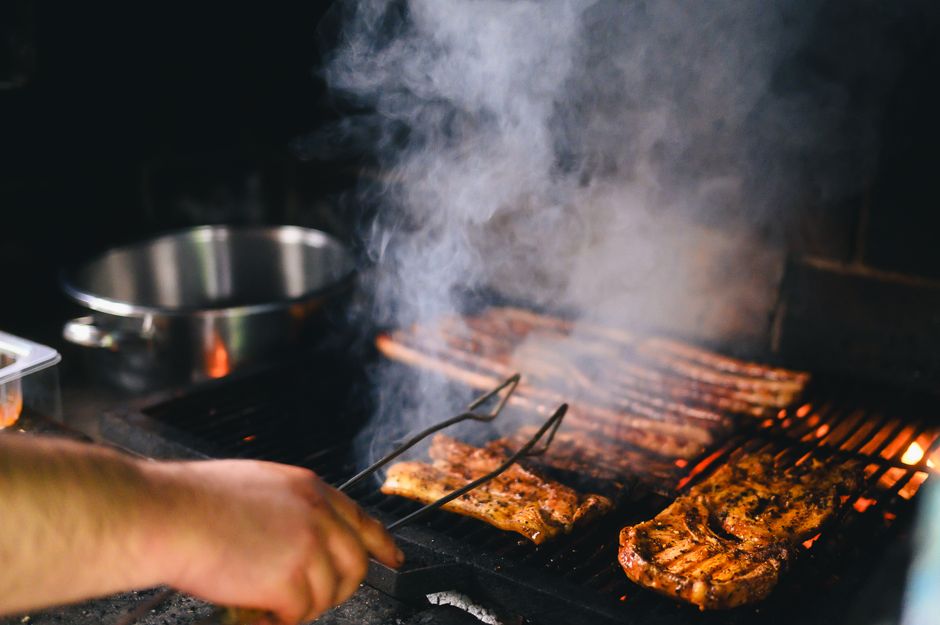
Barbecue’s roots can be traced back to indigenous cultures and the early settlers of the Americas. The term itself is believed to have originated from the Taino word “barbacoa,” which referred to a wooden structure used for cooking meat over an open flame. As the practice spread, various regions adapted their own styles, leading to the diverse barbecue traditions we see today.
In the Southern United States, barbecue became synonymous with social gatherings, especially in the 19th century. The introduction of different spices and cooking methods led to the development of regional styles, such as Texas brisket and Carolina pulled pork. Each region has its own unique sauce and preparation techniques, reflecting the local culture and available resources.
Today, barbecue is celebrated not only in backyards but also in competitions and festivals, drawing enthusiasts from all walks of life. These events showcase the skills of pitmasters and highlight the artistry involved in creating the perfect barbecue dish.
Essential Barbecue Techniques
Mastering barbecue requires understanding various cooking techniques. The two primary methods are direct and indirect heat cooking. Direct heat involves cooking over flames, ideal for quick-cooking foods like burgers and hot dogs. In contrast, indirect heat is used for larger cuts of meat, allowing them to cook slowly and evenly.
Smoking is another essential technique in barbecue, where wood chips are used to infuse flavors into the meat. Different types of wood, such as hickory, mesquite, and applewood, impart unique flavors that can elevate a simple dish into a mouthwatering masterpiece. Understanding how to control the smoke and temperature is crucial for achieving the desired taste.
Marinating and seasoning are also vital components of barbecue. A good marinade can tenderize meat and enhance its flavor profile. Popular ingredients include vinegar, citrus juices, and a variety of spices, which create a balanced taste that complements the smoky essence of barbecue.
Choosing the Right Equipment
Investing in the right barbecue equipment can significantly impact your cooking experience. Grills, smokers, and accessories vary widely in price and functionality. For beginners, a charcoal grill is often recommended for its flavor and simplicity, while gas grills offer convenience and control.
Smokers come in various designs, including offset, vertical, and electric models. Each type has its benefits, and the choice depends on personal preference and cooking style. Additionally, essential accessories like thermometers, grilling tools, and smoker boxes can enhance your barbecue skills and ensure food safety.
Lastly, maintaining your equipment is crucial for achieving the best results. Regular cleaning and proper storage can prolong the life of your grill or smoker, ensuring you enjoy many successful barbecues to come.
Popular Barbecue Recipes
To truly appreciate the art of barbecue, it’s essential to try out various recipes. Classic dishes include ribs, brisket, and pulled pork, each requiring specific techniques and flavors. For instance, smoked ribs often benefit from a dry rub, which enhances the meat’s natural flavor while creating a delicious caramelized crust.
Brisket is known as a barbecue staple, particularly in Texas. It requires low and slow cooking to break down the tough fibers, resulting in tender, juicy meat. Pairing it with a tangy barbecue sauce or pickled sides can elevate the dish even further.
Vegetarian options are also gaining popularity in the barbecue scene. Grilled vegetables, stuffed peppers, and even plant-based burgers can offer a satisfying experience for those seeking alternatives to meat. The key is to use marinades and spices that mimic the rich flavors found in traditional barbecue dishes.
Barbecue and Community
Barbecue isn’t just about food; it’s about community and connection. Sharing a meal cooked over a grill fosters camaraderie and encourages storytelling. Many cultures celebrate barbecue as a communal event, where friends and family gather to enjoy each other’s company while savoring delicious meals.
In recent years, barbecue competitions and festivals have grown in popularity, bringing together enthusiasts and professionals alike. These events serve as platforms for sharing techniques, recipes, and experiences, strengthening the sense of community within the barbecue culture.
Furthermore, community barbecue events often support local charities and causes, showcasing the positive impact that food can have in bringing people together for a greater purpose. Engaging in these activities allows individuals to connect with their neighbors and celebrate the joy of food.
Conclusion
Barbecue is a rich and diverse culinary tradition that offers endless opportunities for exploration and enjoyment. From understanding its history to mastering various techniques and recipes, the journey of barbecue is one that connects us to our roots and to each other. Whether you are a seasoned pitmaster or a curious beginner, embracing the art of barbecue can lead to memorable experiences and delicious meals. So gather your friends, fire up the grill, and let the flavors of barbecue bring joy to your gatherings.
For those looking to expand their barbecue knowledge and connect with fellow enthusiasts, resources like local barbecue clubs or online communities can provide valuable insights and support. And if you’re ever in need of inspiration or assistance, don’t hesitate to reach out to organizations like Zeus for guidance.