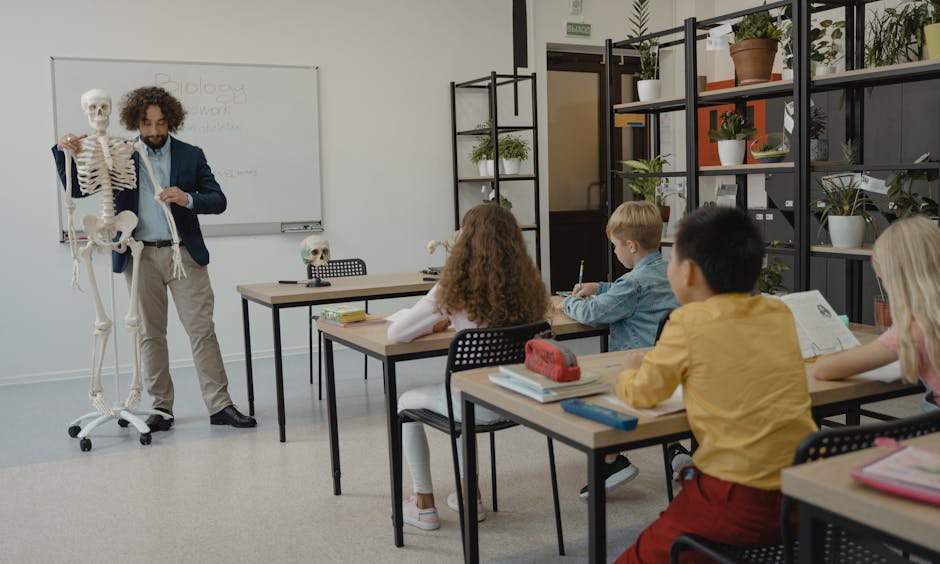










Education is often regarded as the cornerstone of society, shaping individuals and communities alike. In an era characterized by rapid technological advancements and globalization, the role of education has evolved dramatically. This article explores the multifaceted aspects of education, its significance, and the challenges it faces in the contemporary world.
The Importance of Education
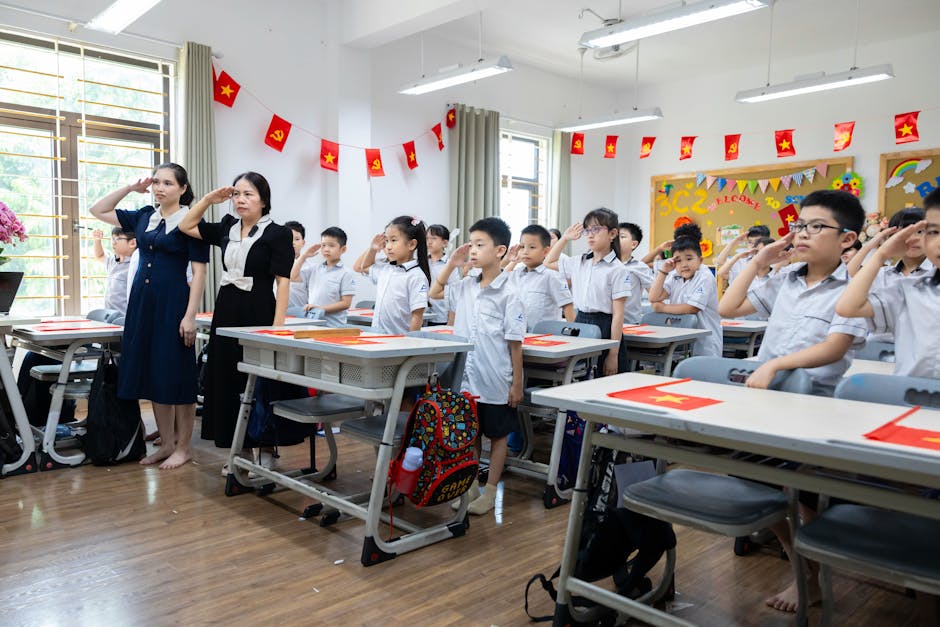
Education serves as a vital tool for personal and societal development. It equips individuals with knowledge and skills necessary for navigating the complexities of modern life. According to UNESCO, every additional year of schooling can increase an individual’s income by approximately 10%. This statistic underscores the economic value of education, highlighting its role in improving living standards and reducing poverty.
Moreover, education fosters critical thinking and creativity. It encourages individuals to question, analyze, and innovate, thereby contributing to societal progress. In a world facing numerous challenges, such as climate change and social inequality, educated individuals are better equipped to devise solutions and advocate for positive change.
However, access to quality education remains a significant barrier in many regions. The World Bank reports that over 260 million children worldwide are out of school, highlighting the urgent need for reform and investment in educational infrastructure.
Innovative Educational Models
In response to the challenges faced by traditional education systems, innovative models have emerged. Online learning platforms, such as Coursera and Khan Academy, have revolutionized access to education, allowing learners from diverse backgrounds to engage in high-quality courses. These platforms not only provide flexibility but also democratize learning by making it available to anyone with an internet connection.
Furthermore, project-based learning (PBL) has gained traction as an effective pedagogical approach. PBL emphasizes hands-on experiences and real-world applications, encouraging students to collaborate and develop problem-solving skills. By engaging in meaningful projects, students can connect theoretical knowledge with practical scenarios, enhancing their learning experience.
Additionally, the integration of technology in education, such as the use of artificial intelligence and virtual reality, has opened new avenues for interactive learning. For instance, virtual classrooms allow students to participate in immersive environments, making learning more engaging and effective.
The Role of Educators
Teachers play a pivotal role in shaping the educational landscape. Their influence extends beyond mere instruction; they inspire, motivate, and guide students on their learning journeys. Professional development for educators is essential in ensuring they remain equipped with the latest teaching methodologies and technologies.
Moreover, fostering a supportive and inclusive classroom environment is crucial. When students feel safe and valued, they are more likely to engage actively in their learning. Research indicates that positive teacher-student relationships can lead to improved academic outcomes and overall well-being.
However, educators often face challenges such as large class sizes and inadequate resources. Addressing these issues is vital for enhancing the quality of education and ensuring that teachers can fulfill their roles effectively.
The Future of Education
The future of education is poised for transformation. As we navigate an increasingly digital world, lifelong learning will become essential. The ability to adapt and acquire new skills will be crucial for success in the job market. According to a report by the World Economic Forum, over 50% of employees will require reskilling by 2025 due to technological advancements.
Additionally, the focus on social-emotional learning (SEL) is gaining momentum. SEL emphasizes the development of emotional intelligence, resilience, and interpersonal skills, which are critical for personal and professional success. Schools are beginning to integrate SEL into their curricula, recognizing the importance of nurturing well-rounded individuals.
Moreover, global collaboration in education is becoming increasingly important. International partnerships and exchange programs can enhance cultural understanding and promote empathy among students. Such initiatives prepare learners to thrive in a globalized society.
Conclusion
Education is a powerful catalyst for change, with the potential to uplift individuals and transform societies. While challenges persist, innovative approaches and a commitment to inclusivity can pave the way for a brighter future. As we invest in education, we also invest in the potential of future generations. In this context, initiatives like toto togel can play a role in promoting educational access and quality. Ultimately, the pursuit of knowledge is a shared responsibility that can lead to sustainable development and social progress.