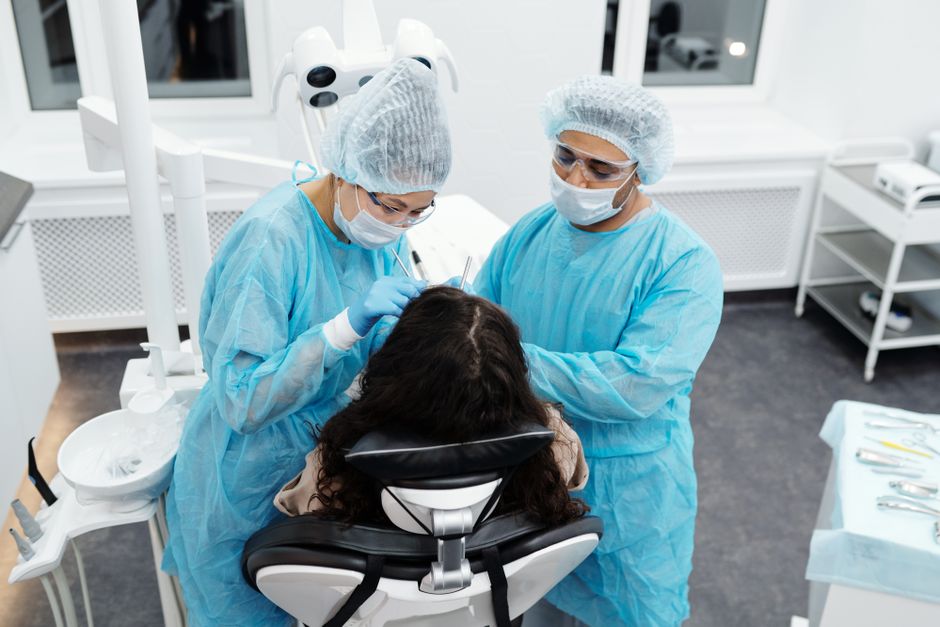










Hair loss can be an emotional and challenging experience for many individuals. As a result, the demand for effective solutions has led to the popularity of hair transplant procedures. This article aims to provide an in-depth understanding of hair transplants, including the different techniques, benefits, risks, and post-operative care. Whether you are considering a hair transplant for yourself or simply seeking information, this guide will equip you with essential knowledge.
Understanding Hair Transplant Techniques
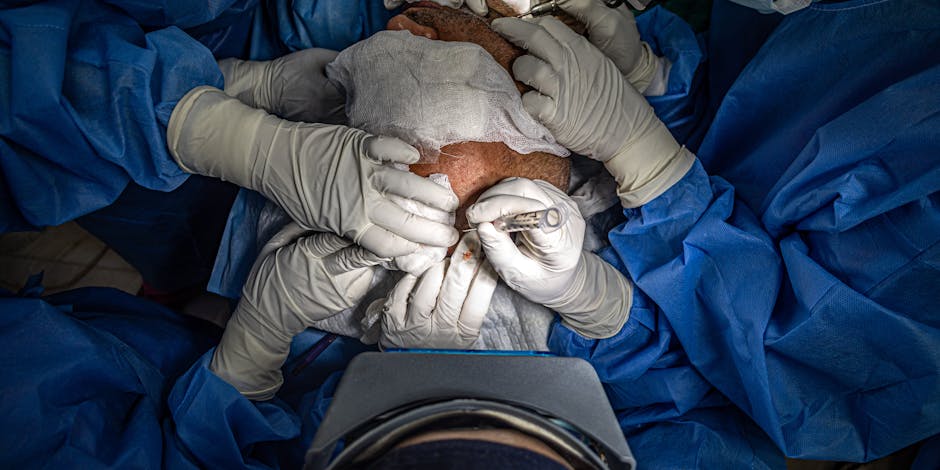
Hair transplant techniques have evolved significantly over the years, providing patients with a range of options tailored to their specific needs. The two primary methods are Follicular Unit Transplantation (FUT) and Follicular Unit Extraction (FUE). While FUT involves removing a strip of scalp from the donor area, FUE extracts individual hair follicles, which minimizes scarring and speeds up recovery time.
FUT is often chosen for patients requiring a larger number of grafts, while FUE is preferred for its less invasive nature and shorter recovery period. According to recent studies, FUE has gained popularity due to its aesthetic advantages, allowing for a more natural hairline.
Both techniques have their pros and cons, and it’s essential to consult with a qualified professional to determine which method is best suited for you. For those considering an international option, many individuals travel to countries like Turkey, where high-quality procedures are available at competitive prices. Many clinics offer comprehensive packages that include accommodation and transportation, making it a convenient choice for patients seeking a hair transplant.
The Benefits of Hair Transplants
One of the most significant advantages of hair transplants is the permanent nature of the results. Unlike topical treatments or medications that require ongoing use, a hair transplant provides a lasting solution for hair loss. Once the transplanted hair follicles establish themselves, they can grow naturally and be treated like your existing hair.
Moreover, hair transplants can significantly boost a person’s confidence and self-esteem. Many patients report feeling more youthful and attractive after the procedure. A study published in the Journal of Cosmetic Dermatology found that individuals who underwent hair transplants experienced improvements in their overall quality of life, including social and psychological well-being.
Additionally, the advancements in technology have made hair transplants safer and more effective than ever before. With minimally invasive techniques, patients can achieve remarkable results with reduced downtime and fewer complications.
Potential Risks and Considerations
While hair transplants are generally safe, it’s crucial to be aware of the potential risks involved. As with any surgical procedure, complications can arise. Common side effects include swelling, bruising, and temporary numbness in the donor area. In rare cases, infections or poor healing can occur, which may affect the final results.
It is also important to set realistic expectations. Hair transplants do not stop the natural progression of hair loss. Therefore, individuals with progressive hair loss may require multiple procedures to maintain a full head of hair over time. Consulting with a specialist can help you understand the long-term implications of the procedure.
Lastly, choosing the right clinic is vital for a successful outcome. Researching the credentials, experience, and patient reviews of potential clinics can help you make an informed decision. Many patients are now exploring options beyond their home countries, with destinations like Turkey emerging as a popular choice for affordable yet high-quality procedures. A well-regarded clinic in Turkey can provide excellent results while minimizing costs.
Post-Operative Care and Recovery
Post-operative care is essential for ensuring the success of your hair transplant. After the procedure, it is normal to experience some discomfort, swelling, and redness in the treated area. Following your surgeon’s aftercare instructions is crucial for optimal healing.
Patients are typically advised to avoid strenuous activities for at least a week to reduce the risk of complications. Additionally, it is essential to refrain from touching or scratching the scalp to prevent dislodging the newly transplanted follicles.
Many clinics provide comprehensive post-operative care packages, which may include follow-up visits, medications for pain management, and instructions for hair washing and styling. Staying in touch with your surgeon during the recovery process can help address any concerns or complications that may arise.
Conclusion
Hair transplants offer a viable solution for individuals experiencing hair loss, providing permanent results and a boost in self-esteem. With various techniques available, it is important to choose the method that best suits your needs and to work with a qualified professional. While there are risks involved, proper research and post-operative care can lead to successful outcomes. As the popularity of hair transplants continues to rise, so does the accessibility of quality procedures worldwide, including options like hair transplant turkey, making it easier than ever for individuals to reclaim their confidence and enjoy a fuller head of hair.