










Organic farming is not just a trend; it’s a sustainable approach to agriculture that emphasizes the importance of nurturing the earth while providing healthy food options. As more farmers and consumers recognize the benefits of organic produce, the demand for organic farming supplies is increasing. In this article, we’ll explore the various types of organic farming supplies available, their significance, and how they contribute to successful organic farming practices.
Understanding Organic Farming Supplies
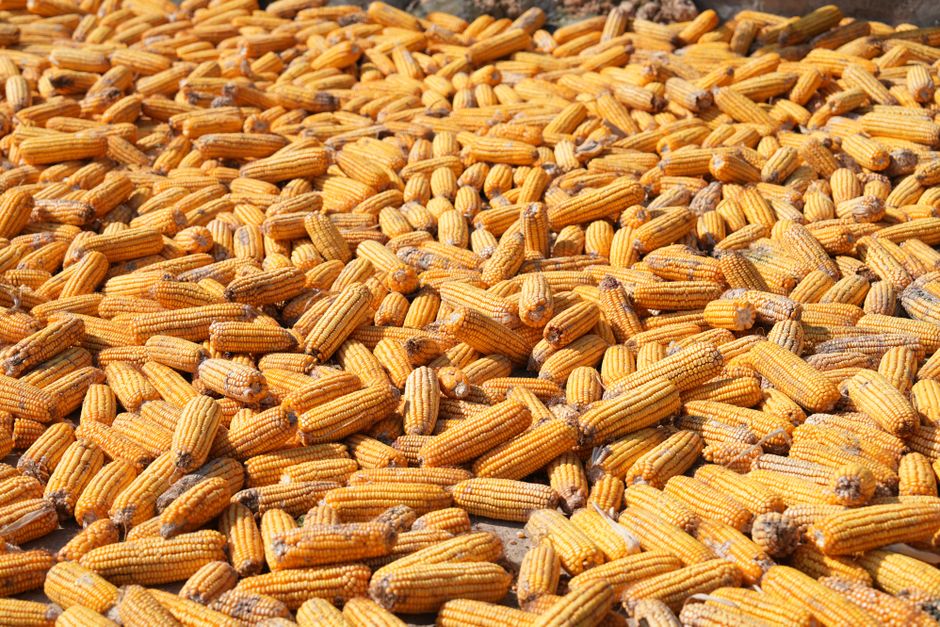
Organic farming supplies include a variety of products designed to assist farmers in growing crops without synthetic fertilizers, pesticides, or genetically modified organisms (GMOs). These supplies are crucial for maintaining soil health, promoting biodiversity, and ensuring that the produce is free from harmful chemicals.
Common supplies include organic seeds, natural fertilizers, pest control solutions, and soil amendments. Each of these components plays a vital role in the overall health of an organic farming system. For instance, organic seeds are specifically bred for organic growing conditions and are often more resilient to pests and diseases.
The Role of Natural Fertilizers
Natural fertilizers are at the heart of organic farming. They not only provide essential nutrients to plants but also improve soil structure and enhance microbial activity. Compost, manure, and cover crops are popular choices among organic farmers. According to research, using compost can increase crop yields by up to 20% compared to conventional farming methods.
Additionally, some organic fertilizers, such as bone meal and fish emulsion, offer a slow-release source of nutrients, ensuring that crops receive the necessary nourishment throughout their growth cycle. This approach not only supports plant health but also minimizes the risk of nutrient runoff into waterways, a significant concern in conventional agriculture.
Pest Control in Organic Farming
Managing pests in an organic farming system requires innovative strategies that rely on natural solutions rather than chemical pesticides. Integrated Pest Management (IPM) is a common practice among organic farmers, combining biological control, habitat manipulation, and cultural practices to minimize pest populations.
For example, introducing beneficial insects, such as ladybugs and lacewings, can help control aphid populations without the need for harmful chemicals. Additionally, organic farmers often use homemade sprays made from neem oil or garlic to deter pests. These methods not only protect crops but also contribute to a healthier ecosystem.
Soil Amendments: The Foundation of Organic Farming
The health of the soil is paramount in organic farming. Soil amendments such as greensand, rock phosphate, and gypsum are used to improve soil fertility and structure. These amendments provide essential minerals that support plant growth while also fostering a diverse microbial ecosystem.
A well-balanced soil amendment strategy can lead to better water retention, reduced erosion, and enhanced nutrient availability. Farmers who invest in high-quality organic soil amendments often see improved crop resilience and yield over time, making it a worthwhile investment.
The Future of Organic Farming Supplies
As the organic farming movement grows, so does the innovation within the industry. New products and techniques are continually being developed to meet the needs of organic farmers. For instance, advances in biopesticides and organic herbicides are providing farmers with effective tools to manage pest and weed pressures.
Moreover, the rise of online marketplaces has made it easier for farmers to access organic farming supplies from various retailers, ensuring they can find the best products for their specific needs. This accessibility is crucial for supporting the growth of organic farming on a larger scale.
Conclusion
In conclusion, organic farming supplies are essential for anyone looking to cultivate crops sustainably and responsibly. From natural fertilizers to pest control solutions, each component plays a critical role in promoting healthy soils and ecosystems. As we move forward, the continued support for organic farming practices will not only benefit farmers but also contribute to a healthier planet for future generations.