










The CBD market has witnessed explosive growth over the past few years, driven by increasing consumer interest in the health benefits of cannabidiol (CBD) products. As a result, the wholesale sector for CBD products is becoming increasingly vital for businesses looking to capitalize on this emerging trend. This article delves into the opportunities and challenges in the CBD product wholesale market, offering insights for potential retailers and wholesalers alike.
Understanding the CBD Market
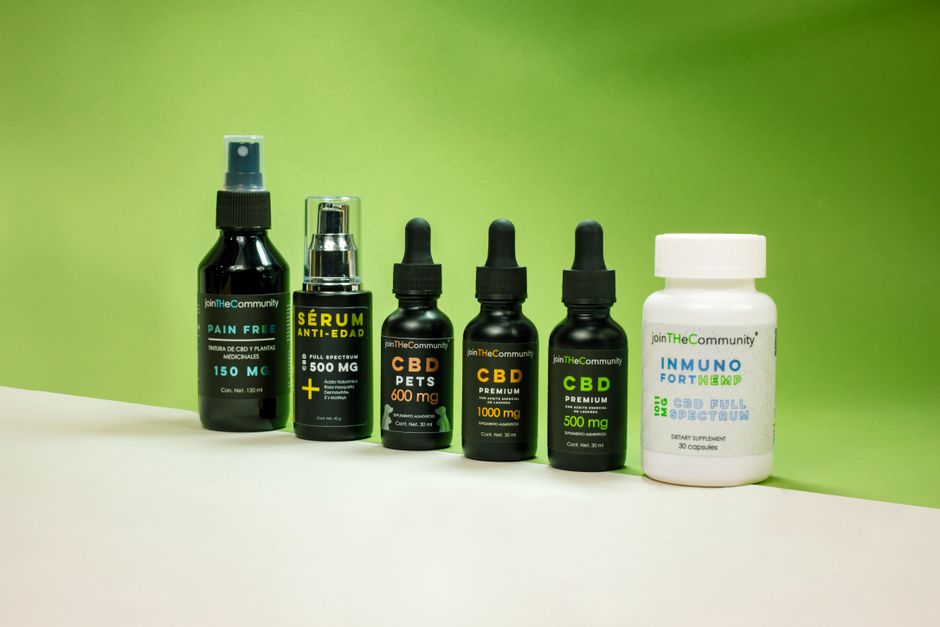
CBD, a non-psychoactive compound derived from the hemp plant, has gained popularity for its potential therapeutic benefits, including pain relief, anxiety reduction, and anti-inflammatory properties. According to a report by Grand View Research, the global CBD market size was valued at USD 2.8 billion in 2020 and is expected to expand at a compound annual growth rate (CAGR) of 21.2% from 2021 to 2028. This rapid growth presents numerous opportunities for businesses involved in the wholesale distribution of CBD products.
As the market expands, understanding consumer needs and preferences is crucial. Many consumers are now seeking high-quality, lab-tested CBD products, which has led to an increase in demand for reputable wholesalers who can supply these items. Retailers looking to enter the market must prioritize sourcing from trustworthy wholesale suppliers to maintain consumer trust and satisfaction.
Benefits of CBD Wholesale
One of the primary benefits of engaging in CBD product wholesale is the potential for higher profit margins. Wholesalers often purchase products at a significantly lower cost than retail prices, allowing for substantial markups. Additionally, the wholesale model enables businesses to sell a wide range of products without the burden of maintaining substantial inventory levels.
Working with established brands can also provide wholesalers with marketing support, further enhancing their ability to attract customers. For instance, many manufacturers offer promotional materials, product training, and even online marketing assistance to their wholesale partners. This support can be invaluable in a competitive market.
Moreover, the flexibility of wholesale allows businesses to adjust their product offerings based on market trends and consumer feedback. This adaptability is particularly important in a rapidly evolving market like CBD, where new products and formulations are continually being introduced.
Challenges in the CBD Wholesale Market
Despite the numerous benefits, there are also significant challenges associated with the CBD product wholesale market. One of the most pressing issues is the regulatory landscape, which varies significantly from one jurisdiction to another. Businesses must navigate complex regulations regarding the sale and distribution of CBD products, including labeling requirements, THC content, and health claims.
Additionally, the CBD market is rife with misinformation, leading to consumer skepticism about product quality. This has made it imperative for wholesalers to ensure that they are sourcing products from reputable manufacturers who provide third-party lab testing results. Transparency is key in building trust with retailers and consumers alike.
Another challenge is the increasing competition within the market. As more players enter the CBD space, wholesalers must differentiate themselves through quality, pricing, and customer service. Establishing a strong brand presence and building relationships with retailers can help wholesalers stand out in a crowded marketplace.
Strategies for Success in CBD Wholesale
To succeed in the CBD product wholesale industry, businesses should adopt several key strategies. First, conducting thorough market research is essential to understand consumer preferences and identify trending products. This research can inform inventory decisions and help businesses stay ahead of competitors.
Moreover, maintaining strong relationships with manufacturers can lead to better pricing, exclusive product offerings, and enhanced support. Wholesalers should prioritize partnerships with brands that align with their values and can provide consistent quality and reliability.
Finally, investing in digital marketing strategies can significantly enhance visibility and attract potential retail partners. Utilizing social media, content marketing, and search engine optimization (SEO) can help wholesalers reach a wider audience and establish themselves as thought leaders in the industry.
Conclusion
The wholesale market for CBD products presents both exciting opportunities and formidable challenges. By understanding the dynamics of the market, prioritizing quality and transparency, and implementing effective strategies, businesses can carve out a successful niche in this burgeoning industry. As consumer interest in CBD continues to grow, the potential for wholesalers to thrive in this space is substantial. For those ready to navigate the complexities of the market, the rewards can be significant. If you’re considering entering this field, partnering with reputable suppliers can enhance your chances of success. One reliable option for sourcing CBD products is through CBD product wholesale channels that prioritize quality and compliance.