










In recent years, virtual tour photography has emerged as a revolutionary tool for businesses, real estate agents, and even educators, allowing them to showcase spaces in an immersive and engaging way. This innovative approach not only enhances the user experience but also provides a competitive edge in various industries. As technology continues to evolve, understanding the significance and application of virtual tours becomes increasingly important.
The Rise of Virtual Tour Photography
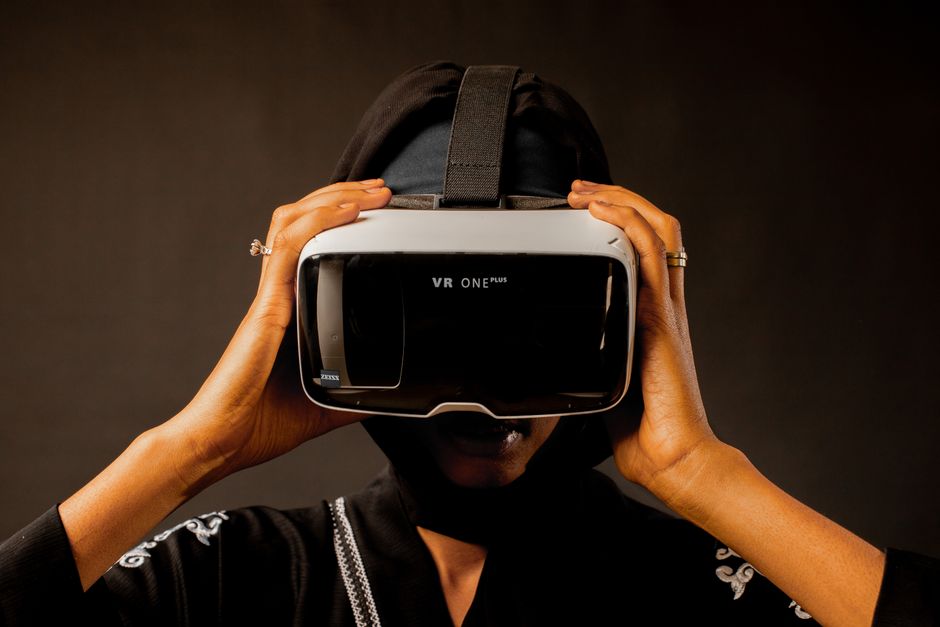
Virtual tour photography has gained immense popularity due to its ability to create an interactive experience for viewers. Unlike traditional photography, which captures static images, virtual tours allow users to explore an environment as if they were physically present. This immersive experience is achieved through a combination of 360-degree photography, video, and specialized software.
According to a report by the National Association of Realtors, properties with virtual tours receive 87% more views than those without. This statistic highlights the effectiveness of virtual tours in attracting potential buyers and renters. As more industries recognize the value of this technology, the demand for skilled virtual tour photographers is on the rise.
Furthermore, with the increasing prevalence of virtual reality (VR) and augmented reality (AR), the future of virtual tour photography looks promising. As these technologies become more accessible, we can expect even more advanced and realistic virtual tours that will captivate audiences.
Key Components of a Successful Virtual Tour
Creating a compelling virtual tour requires more than just high-quality images. Here are some essential elements to consider:
- High-Quality Photography: The backbone of any virtual tour is stunning photography. Using a professional camera and lenses optimized for 360-degree shots is crucial for capturing detailed images.
- Effective Editing: Post-processing is essential to ensure that the images are well-lit and color-corrected. This step can make a significant difference in the overall quality of the virtual tour.
- User-Friendly Interface: The software used to create and host the virtual tour should be intuitive and easy to navigate. A seamless user experience is vital for keeping viewers engaged.
- Interactive Features: Incorporating hotspots, information tags, and other interactive elements can enhance the experience, providing viewers with additional context and engagement.
Applications Across Various Industries
The versatility of virtual tour photography is evident across multiple sectors. In real estate, agents use virtual tours to showcase properties, allowing potential buyers to explore homes from the comfort of their own devices. This not only saves time but also increases the likelihood of a sale.
In the hospitality industry, hotels and resorts utilize virtual tours to attract guests. By providing a realistic view of rooms, amenities, and surroundings, they can create a more compelling marketing strategy. A study conducted by Google showed that 67% of travelers prefer to book accommodations that offer virtual tours.
Moreover, educational institutions are adopting virtual tours to provide prospective students with an immersive glimpse of their campuses. This approach can significantly influence a student’s decision-making process.
Challenges and Considerations
While virtual tour photography offers numerous benefits, there are also challenges to consider. One significant hurdle is the initial investment in equipment and software. High-quality cameras, lenses, and editing software can be expensive, which may deter some potential photographers from entering the market.
Additionally, mastering the skills required for creating virtual tours can take time. Photographers must become proficient in 360-degree photography, editing techniques, and the use of virtual tour software. However, with dedication and practice, these skills can be developed, leading to a rewarding career.
Another challenge is the need for continuous adaptation to changing technology. As advancements in VR and AR occur, virtual tour photographers must stay updated with the latest trends to remain competitive.
Conclusion
In conclusion, virtual tour photography is transforming the way we experience spaces, offering immersive and engaging content that appeals to a wide audience. As more industries embrace this technology, the need for skilled virtual tour photographers will continue to grow. By understanding the key components of a successful virtual tour and navigating the challenges associated with this field, aspiring photographers can carve out a niche for themselves in a rapidly evolving landscape. To explore more about this fascinating field, consider checking out resources on virtual tour photography and how it can enhance user experiences across various sectors.