










The children toy manufacturing industry has been experiencing a significant transformation in recent years. With advancements in technology, changing consumer preferences, and the impact of the global pandemic, manufacturers are adapting to meet the demands of a new generation of parents and children. This article explores the current trends, challenges, and innovations within this vibrant sector.
Understanding the Market Dynamics
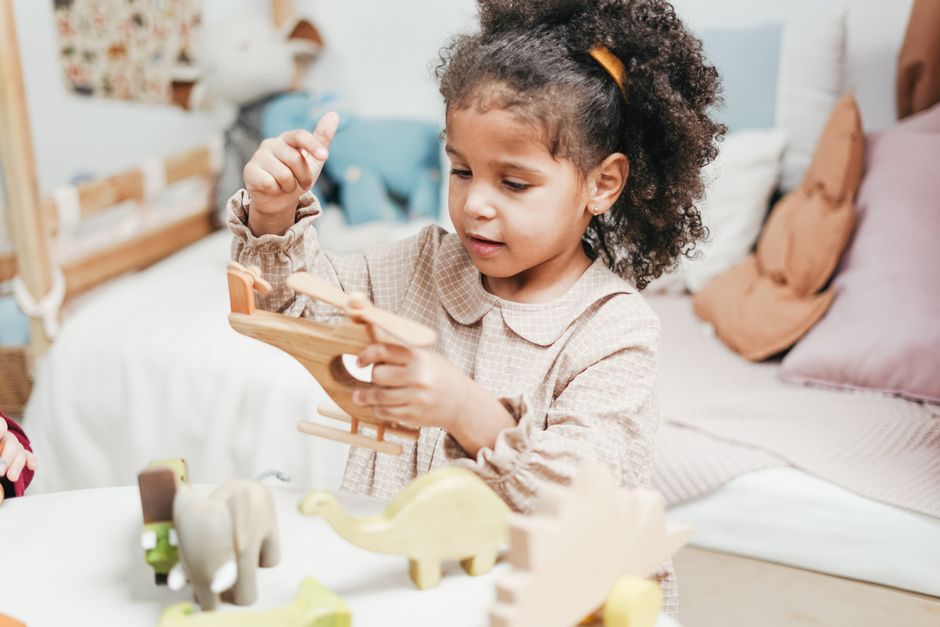
The children toy market is a dynamic space filled with opportunities and challenges. Recent statistics indicate that the global toy market was valued at approximately $90 billion in 2021, with projections to reach $120 billion by 2025. This growth can be attributed to the increasing disposable income of families and a growing emphasis on educational toys that promote learning and development.
Manufacturers are responding to this demand by diversifying their product lines. For instance, eco-friendly toys made from sustainable materials are on the rise, as parents become more environmentally conscious. Manufacturers that prioritize sustainability not only meet consumer expectations but also contribute positively to the planet.
Technological Innovations in Toy Manufacturing
Technology plays a crucial role in shaping the future of toy manufacturing. The integration of smart technology into toys has created a new segment known as interactive toys. These toys, equipped with sensors and connectivity features, can engage children in ways traditional toys cannot.
For example, companies are now producing robotic toys that can learn from interactions, providing a personalized play experience. This shift towards interactive and educational toys is not merely a trend; it’s a response to the evolving nature of play and learning.
Furthermore, the use of augmented reality (AR) in toys is gaining traction. AR brings a digital layer to physical toys, allowing children to explore new worlds and scenarios, thus enhancing their playtime experience. As technology continues to advance, the possibilities for innovation in toy manufacturing are virtually limitless.
Challenges Facing Toy Manufacturers
While the toy manufacturing industry is filled with potential, it also faces several challenges. One of the primary concerns is safety regulations. Manufacturers must comply with strict safety standards to ensure that their products are safe for children. This can involve extensive testing and certification processes.
Another significant challenge is the pressure to produce toys that are not only appealing but also affordable. In a competitive market, manufacturers must balance quality with cost-effectiveness. This often leads to difficult decisions regarding material selection and production methods.
The Role of Marketing and Branding
In today’s digital age, effective marketing and branding are more important than ever for toy manufacturers. With the rise of social media and online shopping, companies must create engaging content that resonates with their target audience. Influencer partnerships and user-generated content are increasingly being utilized to build brand loyalty and engage consumers.
Additionally, a strong online presence is essential. Manufacturers must invest in e-commerce platforms to reach a broader audience, especially as more consumers prefer shopping online. A well-designed website, coupled with strategic digital marketing campaigns, can significantly enhance a brand’s visibility and sales.
Future Outlook for the Children Toy Industry
Looking ahead, the future of the children toy manufacturing industry appears promising. As the demand for innovative and educational toys continues to grow, manufacturers are likely to focus on research and development to stay ahead of the competition.
Moreover, trends such as customization and personalization are expected to gain popularity. Parents increasingly seek toys that can be tailored to their children’s interests and preferences, creating a unique play experience.
In conclusion, the children toy manufacturing industry is at a pivotal moment in its evolution. By embracing technological advancements, prioritizing sustainability, and focusing on effective marketing strategies, manufacturers can thrive in this ever-changing landscape. As the market continues to grow and diversify, those who adapt will undoubtedly lead the way into the future.