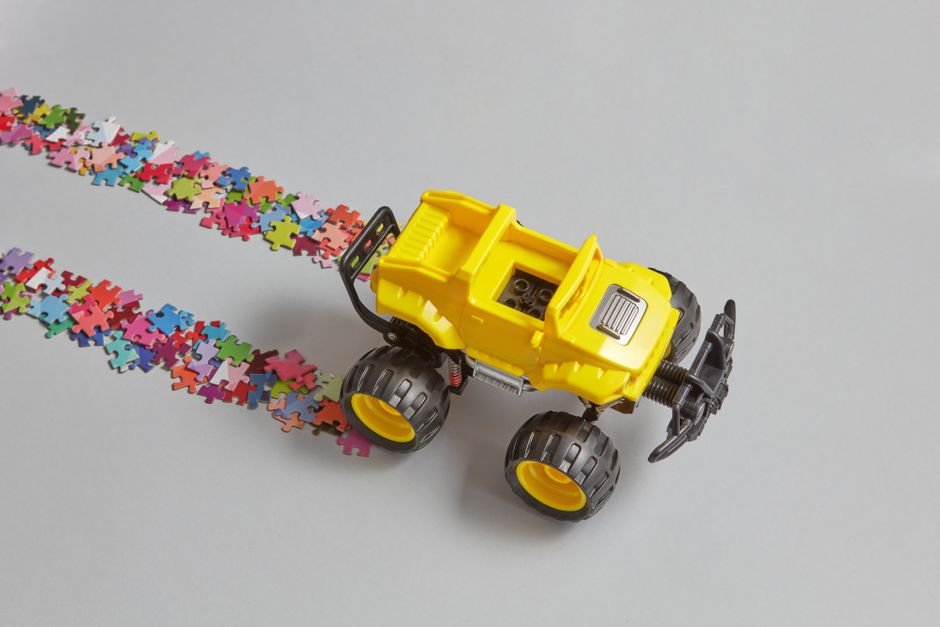










The toy industry is a vibrant and ever-evolving sector that plays a vital role in childhood development and entertainment. As children grow, the toys they play with can significantly influence their creativity, social skills, and cognitive growth. This article delves into the fascinating world of children toy manufacturers, examining their impact on the market, trends, and the future of toy production.
The Importance of Quality in Toy Manufacturing

Quality is paramount when it comes to children’s toys. Manufacturers are increasingly focused on producing safe, durable, and engaging products. The materials used in toy production must meet stringent safety standards, as children are often prone to accidents while playing. In recent years, many manufacturers have turned to sustainable materials, reducing their environmental impact while ensuring safety.
For instance, companies are now using biodegradable plastics and non-toxic paints to create toys that are safer for children and the planet. This shift not only appeals to eco-conscious consumers but also sets a standard for new entrants in the toy market.
Moreover, the demand for toys that promote learning through play has surged. Educational toys that foster skills such as problem-solving and critical thinking are now at the forefront of many children’s toy manufacturers’ product lines. This trend is expected to continue, reflecting a growing awareness among parents regarding the importance of educational play.
Market Trends in Children Toy Manufacturing
The children’s toy market has seen considerable changes in recent years, driven by technological advancements and changing consumer preferences. One notable trend is the rise of interactive and digital toys. These toys often incorporate elements of augmented reality (AR) and virtual reality (VR), providing children with immersive experiences.
Furthermore, the influence of popular media, such as movies and television shows, significantly impacts toy sales. For instance, toys that feature characters from popular animated series often see a spike in demand. Manufacturers must stay ahead of these trends to ensure their products align with current interests.
Another trend is the increasing popularity of subscription boxes for toys. These services provide curated selections of toys delivered to consumers’ homes, catering to a desire for convenience and novelty. Such innovations are reshaping the way toys are marketed and sold, providing manufacturers with new avenues for revenue.
Challenges Faced by Toy Manufacturers
Despite the growth opportunities in the toy industry, manufacturers face several challenges. Supply chain disruptions, particularly highlighted during the COVID-19 pandemic, have led to delays in production and shipping. Many manufacturers are now re-evaluating their supply chains to create more resilient operations.
Additionally, the competitive landscape is fierce, with numerous players vying for market share. Manufacturers must continuously innovate to differentiate their products and maintain consumer interest. Investing in research and development is crucial for staying relevant in this fast-paced industry.
Moreover, as global regulations surrounding toy safety become more stringent, manufacturers must navigate compliance issues while ensuring their products remain affordable. This balancing act is critical for sustaining profitability in a challenging market.
The Future of Toy Manufacturing
Looking forward, the future of children toy manufacturing appears both promising and complex. The integration of technology is likely to continue, with manufacturers exploring new ways to enhance play experiences. For example, AI-driven toys that adapt to a child’s learning pace are on the horizon.
Furthermore, the focus on sustainability will shape the industry as consumers increasingly demand eco-friendly products. Manufacturers committed to sustainable practices will likely gain a competitive edge in the marketplace.
The role of toy manufacturers is also evolving as they engage more with their consumers through social media and online platforms. By fostering a community around their brands, these manufacturers can create loyal customer bases and gather valuable feedback to inform future product development.
Conclusion
In conclusion, children toy manufacturers play a crucial role in shaping the play experiences of younger generations. From ensuring product safety and quality to embracing technological advancements and sustainability, the industry is at a pivotal point. As trends evolve, manufacturers must remain agile and responsive to consumer needs while upholding their commitment to safety and quality. The future of this industry holds exciting possibilities as it adapts to the changing landscape of play and learning.
For those looking to engage with a leading children toy manufacturer, understanding these dynamics is essential for navigating the vibrant world of toys.