









The luxury fashion market has undergone significant transformations in recent years, leading to the emergence of luxury brand resellers. These businesses have capitalized on the growing demand for high-end products at more accessible prices, creating a unique niche within the industry. In this article, we will explore the phenomenon of luxury brand reselling, its impact on consumers and brands, and the factors contributing to its rapid growth.
Understanding Luxury Brand Reselling
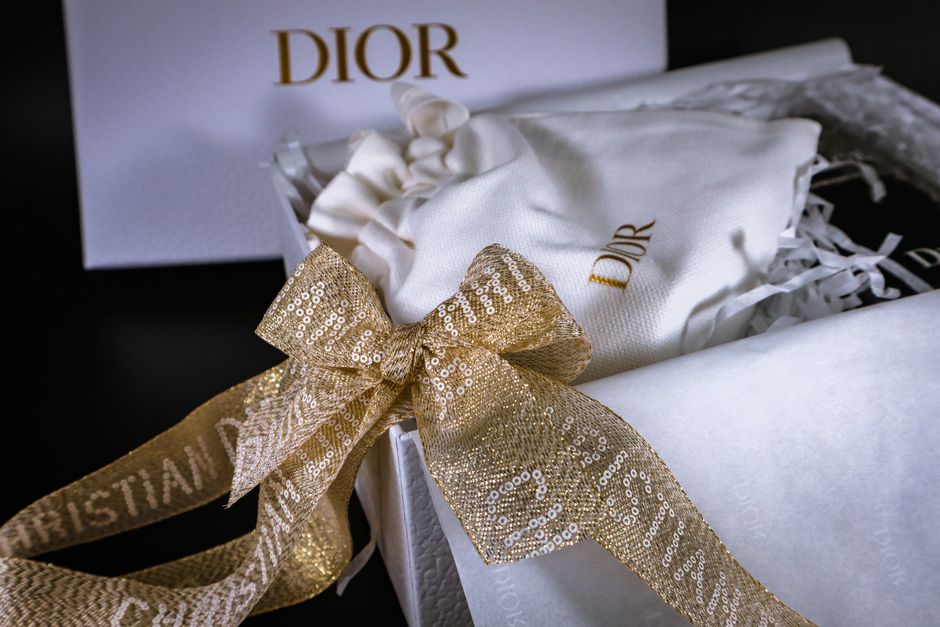
Luxury brand resellers are businesses or individuals that purchase high-end fashion items, often from previous seasons or pre-owned collections, and resell them at a markup. This practice allows consumers to access luxury goods that they might not afford at retail prices. The rise of online platforms has made it easier for resellers to reach a broader audience, effectively democratizing luxury fashion.
According to a report by Bain & Company, the global luxury market is expected to grow by 6-8% annually, with the resale market outpacing traditional retail. The resale market is projected to reach $64 billion by 2025, driven by younger consumers who prioritize sustainability and value. Many of these consumers view purchasing from a luxury brand reseller as an eco-friendly choice, as it extends the life cycle of luxury goods.
The Impact on Consumers
The rise of luxury brand resellers has transformed the way consumers shop for high-end fashion. With the ability to find discounted prices on coveted items, shoppers are more likely to explore resale options. This trend is particularly prevalent among millennials and Gen Z consumers, who are more inclined to seek out unique, affordable luxury pieces.
Moreover, the resale market offers consumers a chance to invest in high-quality items that retain their value over time. Luxury goods, particularly designer handbags and shoes, often appreciate in value. This makes reselling a smart financial decision, as consumers can recoup a significant portion of their initial investment when they choose to sell.
The Role of Technology
Technology has played a pivotal role in the growth of luxury brand reselling. The rise of e-commerce platforms, mobile apps, and social media has enabled resellers to connect with potential buyers more effectively. Websites like Poshmark, The RealReal, and Vestiaire Collective have created user-friendly environments for consumers to buy and sell pre-owned luxury items.
Additionally, social media influencers play a significant role in promoting the resale market. Many influencers showcase their thrifted or resold luxury finds, encouraging their followers to consider similar purchases. This has contributed to a cultural shift where buying second-hand luxury goods is now seen as fashionable and desirable.
Sustainability and Ethical Considerations
As consumers become increasingly aware of the environmental impact of fast fashion, luxury brand reselling offers a sustainable alternative. By opting for pre-owned items, consumers can reduce waste and promote a circular economy. Brands are also recognizing this trend and some are even collaborating with resellers to create certified resale programs.
However, this trend is not without its challenges. Issues related to authenticity and quality assurance arise in the resale market. Resellers must establish trust with buyers, often requiring authentication services to verify the legitimacy of luxury items. Brands also face challenges in maintaining their image and exclusivity while navigating this growing market.
Conclusion: The Future of Luxury Brand Reselling
The luxury brand reseller market is poised for continued growth as consumer preferences shift towards sustainability and value. As technology advances and the stigma around second-hand shopping diminishes, we can expect this market to evolve further. For both consumers and brands, luxury reselling presents opportunities and challenges that will shape the future of fashion.