









In recent years, the luxury brand resale market has witnessed unprecedented growth, driven by shifting consumer behaviors and the increasing value placed on sustainability. As more individuals seek to buy and sell pre-owned luxury items, the role of luxury brand resellers has become pivotal. This article explores the dynamics of the luxury resale market, the motivations behind consumer choices, and the impact of digital platforms on this evolving landscape.
Understanding the Luxury Resale Market
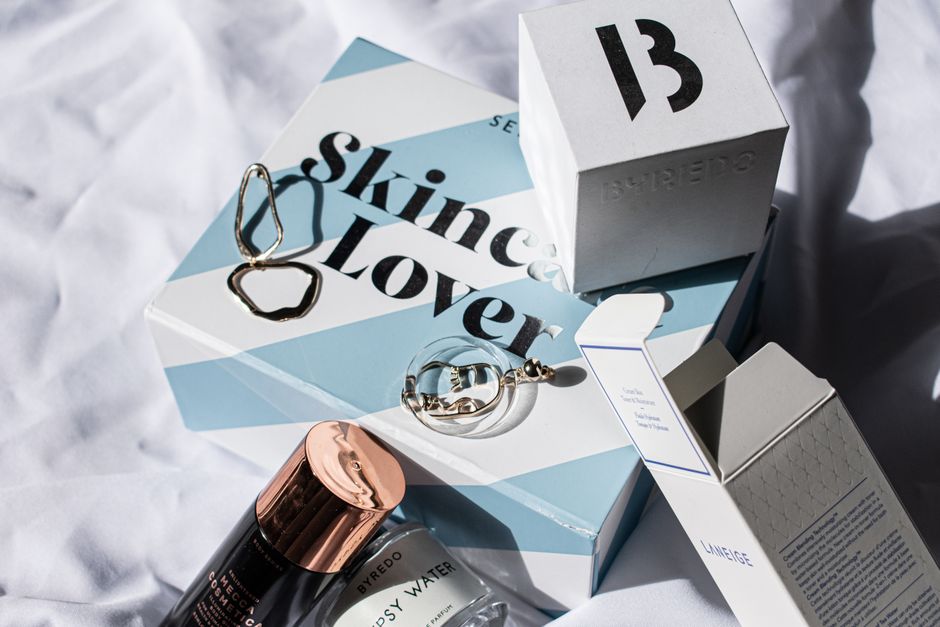
The luxury resale market encompasses a wide range of products, including designer handbags, shoes, clothing, and accessories. According to a report by Bain & Company, the global market for pre-owned luxury goods is projected to reach $64 billion by 2025, growing at a rate of 12% annually. This growth is fueled by younger consumers who are increasingly willing to purchase second-hand items, particularly through online platforms.
One significant factor driving this trend is the desire for sustainability. Today’s consumers are more environmentally conscious and are actively seeking ways to reduce their carbon footprint. By opting for pre-owned luxury goods, they can enjoy high-quality products while contributing to a more sustainable fashion ecosystem.
Moreover, the luxury resale market provides access to exclusive items that may no longer be available in traditional retail settings. Resellers often curate collections of hard-to-find pieces, appealing to collectors and fashion enthusiasts alike. For example, limited edition handbags from brands such as Chanel or Louis Vuitton can be found in the resale market, allowing consumers to own a piece of luxury history.
The Role of Digital Platforms
Digital platforms have revolutionized the way consumers buy and sell luxury goods. Websites and apps dedicated to luxury resale, such as The RealReal and Vestiaire Collective, have created user-friendly environments that facilitate transactions between buyers and sellers. These platforms often provide authentication services, ensuring that items sold are genuine and of high quality.
Furthermore, the rise of social media has played a crucial role in promoting luxury reselling. Influencers and celebrities often showcase their pre-owned luxury items, encouraging their followers to consider resale as a viable option. This visibility helps to normalize the idea of buying second-hand luxury goods and increases consumer trust in the resale market.
As a result, many luxury brands are beginning to embrace the resale market rather than shun it. Some brands have even launched their own resale platforms or partnered with existing ones to offer authenticated pre-owned items directly to consumers. This shift reflects a growing recognition of the resale market’s potential to enhance brand loyalty and sustainability efforts.
Challenges Faced by Luxury Brand Resellers
While the luxury resale market offers numerous opportunities, it also presents distinct challenges for resellers. One major challenge is the need for effective inventory management. Resellers must keep track of their stock, ensuring that they have a diverse range of products to attract different consumer demographics.
Additionally, competition in the luxury resale market is fierce. With numerous players entering the space, resellers must differentiate themselves by offering exceptional customer service, unique product offerings, and competitive pricing. Building a strong brand presence and establishing trust with consumers are crucial for success in this crowded marketplace.
Another significant challenge is navigating the complexities of pricing. Determining the right price for pre-owned luxury items can be tricky, as factors such as condition, rarity, and market demand all play a role. Resellers must conduct thorough research to ensure they price their items competitively while still making a profit.
The Future of Luxury Reselling
Looking ahead, the luxury resale market is poised for continued growth. As consumer attitudes shift and sustainability becomes an even more pressing concern, the demand for pre-owned luxury items will likely increase. Additionally, advancements in technology, such as artificial intelligence and blockchain, may further enhance the transparency and efficiency of luxury resale transactions.
Moreover, the integration of virtual reality (VR) and augmented reality (AR) technologies could transform the way consumers shop for pre-owned luxury goods. These technologies could allow buyers to experience products in immersive environments, enhancing their shopping experience and boosting confidence in their purchases.
As the market evolves, luxury brand resellers will play a vital role in shaping the future of fashion consumption. By offering consumers access to high-quality, sustainable options, they contribute to a more responsible and conscious approach to luxury shopping. For those looking to enter this dynamic market, partnering with a reputable luxury brand reseller can provide valuable insights and opportunities for growth.
Conclusion
The rise of luxury brand resellers signifies a transformative shift in the fashion industry, where sustainability and accessibility take center stage. As consumers become more aware of the benefits of purchasing pre-owned luxury goods, the market is set to thrive. Resellers who adapt to changing trends, embrace digital platforms, and provide exceptional service will undoubtedly find success in this burgeoning industry. With the right approach, the luxury resale market will continue to evolve, offering consumers exciting opportunities to engage with luxury fashion in a sustainable and meaningful way.