










The world of gemstones is as captivating as it is complex. From the vivid hues of sapphires to the luminous glow of diamonds, these precious stones have fascinated humanity for centuries. However, the journey of sourcing high-quality gemstones begins with a critical decision: choosing the right gemstone supplier. This article will guide you through the essential considerations, potential pitfalls, and best practices for finding a supplier that meets your needs.
Understanding the Market for Gemstones
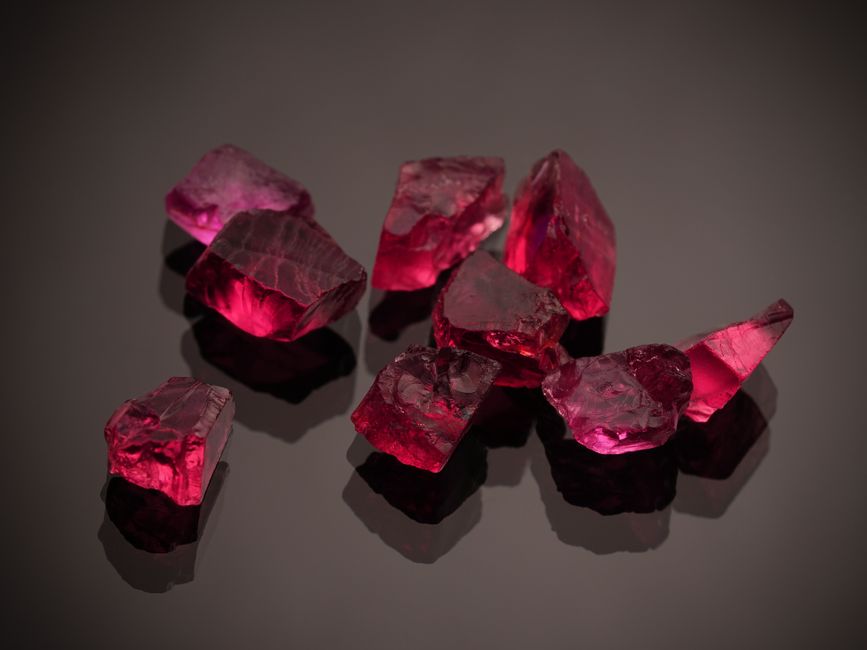
The gemstone market is diverse and multifaceted. It encompasses various types of stones, each with its market demand and pricing. For instance, colored gemstones like rubies and emeralds have seen a surge in popularity, while others, like garnets, may not be as sought after. Understanding these dynamics is essential for anyone looking to engage with a gemstone supplier.
According to a report by the Gemological Institute of America (GIA), the global gemstone market is expected to grow significantly in the coming years. This growth is driven by increasing consumer interest in unique, ethically sourced stones. Therefore, finding a reliable supplier who understands these trends can position you favorably in the market.
Moreover, it’s crucial to recognize that the gemstone industry is rife with variations in quality. Suppliers often categorize gemstones based on clarity, cut, color, and carat weight. Familiarizing yourself with these classifications will help you make informed decisions when evaluating potential suppliers.
Criteria for Selecting a Gemstone Supplier
When it comes to selecting a gemstone supplier, several criteria should be considered. First and foremost, ensure that the supplier is reputable. Look for reviews, testimonials, and feedback from previous customers. A supplier with a strong reputation is likely to adhere to ethical sourcing practices and provide high-quality stones.
Additionally, consider the range of gemstones offered by the supplier. A good supplier should have a comprehensive inventory that includes a variety of gemstones, as well as the ability to source rare stones upon request. This flexibility can be a significant advantage for businesses seeking to differentiate their offerings.
Another important factor is the supplier’s transparency regarding pricing and sourcing. Reliable gemstone suppliers should provide clear information about the origin of their stones and any treatments they may have undergone. This transparency is critical for maintaining trust and ensuring that you’re not overpaying for inferior products.
Building a Relationship with Your Supplier
Establishing a solid relationship with your gemstone supplier can lead to numerous benefits, including better pricing, exclusive access to rare stones, and personalized service. Start by communicating your specific needs and preferences. A supplier who understands your business model will be better equipped to cater to your requirements.
Regular engagement with your supplier can also open doors for negotiations on pricing and terms. Many suppliers are willing to offer discounts for bulk purchases or long-term contracts, making it essential to maintain ongoing dialogue.
Moreover, attending gem shows and trade fairs is an excellent way to meet suppliers in person. These events provide opportunities to view their inventory firsthand and discuss trends and preferences directly. Building rapport in-person can enhance trust and facilitate smoother transactions.
Dealing with Challenges in the Gemstone Supply Chain
While the gemstone industry offers many opportunities, it is not without its challenges. One common issue is the risk of fraud, as the market can attract unethical suppliers. To mitigate this risk, always ask for certifications and appraisals from recognized gemological institutions.
Supply chain disruptions can also pose challenges. Natural disasters, geopolitical tensions, and trade restrictions can all impact the availability of certain gemstones. It is advisable to have multiple suppliers or a contingency plan in place to navigate these unforeseen circumstances.
Furthermore, ethical sourcing has become a significant concern for consumers. Many buyers now prioritize suppliers who adhere to ethical mining practices. Ensuring that your supplier is committed to sustainability can not only protect your business’s reputation but also appeal to a growing segment of environmentally conscious consumers.
Conclusion
Choosing the right gemstone supplier is a vital component of success in the gemstone business. By understanding the market, establishing clear criteria for selection, building strong relationships, and navigating potential challenges, you can position yourself for success. Remember that a reliable gemstone supplier is an invaluable partner in your journey, helping you access high-quality products that meet your customers’ demands.