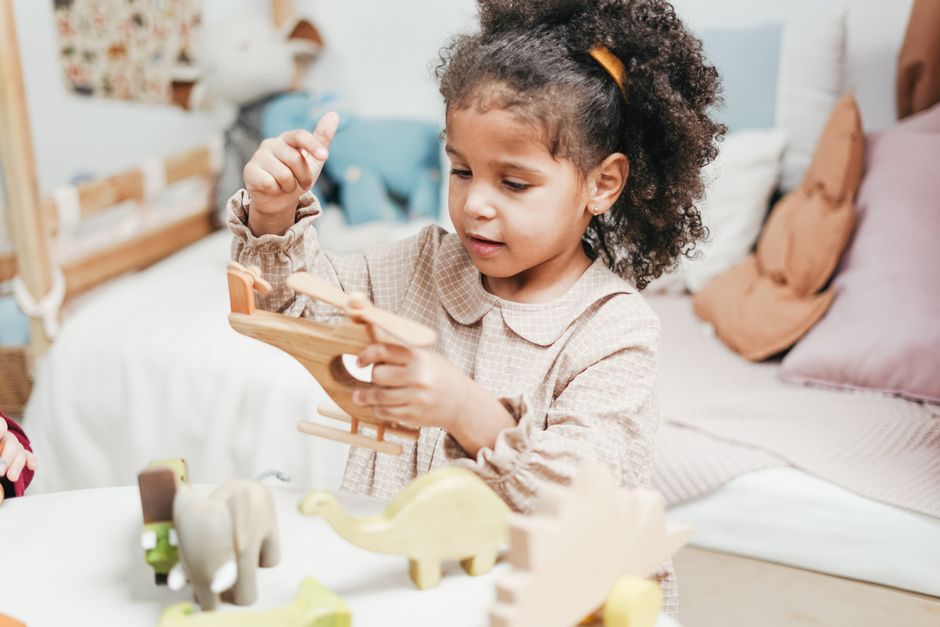










The global children’s toy manufacturing industry is undergoing a remarkable transformation, driven by innovation, sustainability, and changing consumer preferences. As parents become more discerning about the products they choose for their children, manufacturers are adapting their strategies to meet these evolving demands. This article explores the various facets of the children’s toy manufacturing industry, including trends, challenges, and notable players.
Understanding the Market Trends

The children’s toy market has seen significant shifts in recent years, particularly influenced by technological advancements. Digital toys that incorporate interactive features have become increasingly popular, appealing to tech-savvy children. According to a report by Research and Markets, the global toy market is projected to reach $120 billion by 2023, with a notable surge in the demand for educational and STEM (Science, Technology, Engineering, and Mathematics) toys.
Moreover, sustainability has emerged as a critical factor in toy manufacturing. Parents are more inclined to purchase eco-friendly toys, which has prompted manufacturers to explore sustainable materials and production processes. This trend is not just a passing phase; it is a reflection of a broader societal shift towards environmental responsibility. For instance, companies like Green Toys, which produce toys made from recycled materials, have gained traction in the market.
Key Players in the Industry
Numerous companies dominate the children’s toy manufacturing landscape, each bringing unique offerings to the table. For instance, Mattel and Hasbro have long been established leaders, but newer entrants are shaking up the market. Companies such as LEGO have expanded their brand to include educational kits that encourage creativity and problem-solving skills.
One notable example is the children toy manufacturer Jakks Pacific, which has carved a niche in the market with its diverse range of toys, from action figures to role-playing games. Jakks emphasizes the importance of play in child development, aligning its products with educational values that resonate with parents.
Challenges Facing Manufacturers
While the children’s toy manufacturing industry is thriving, it is not without its challenges. Supply chain disruptions, particularly in the wake of the COVID-19 pandemic, have affected production timelines and inventory levels. Manufacturers are now reevaluating their supply chains to mitigate risks and enhance resilience.
Another significant challenge is the increasing scrutiny regarding product safety standards. Regulatory requirements vary across regions, and ensuring compliance can be a complex process. Companies must invest in rigorous testing and quality control to safeguard their products and maintain consumer trust.
The Role of E-commerce
The rise of e-commerce has transformed the way toys are marketed and sold. Online platforms like Amazon and specialized toy retailers have made it easier for consumers to access a vast array of products. This shift has opened up opportunities for smaller manufacturers to reach broader audiences without the need for extensive retail networks.
Additionally, social media plays a pivotal role in shaping consumer preferences. Influencer marketing, in particular, has become an effective strategy for toy manufacturers to engage with parents and children alike. Brands are leveraging platforms like Instagram and YouTube to showcase their products in action, creating buzz and anticipation around new releases.
Future Outlook for Toy Manufacturers
Looking ahead, the future of children’s toy manufacturing appears promising. As technology continues to evolve, we can expect to see even more innovative products that blend play with education. Manufacturers will likely invest in research and development to create toys that not only entertain but also enrich the learning experience.
Moreover, sustainability will remain a key focus. Companies that prioritize eco-friendly practices are likely to gain a competitive edge as consumer awareness about environmental issues grows. The ability to adapt to changing market dynamics will be crucial for manufacturers aiming to thrive in this competitive landscape.
Conclusion
The children’s toy manufacturing industry is at a crossroads, with opportunities and challenges abound. As manufacturers navigate this evolving landscape, those who embrace innovation, sustainability, and consumer engagement will be poised for success. The future promises exciting possibilities for both children and the companies that create products designed to inspire and educate.