










In an age dominated by digital devices, the wristwatch remains a symbol of elegance, craftsmanship, and tradition. This article delves into the history, significance, and varieties of wristwatches, highlighting their evolution from simple time-tellers to complex pieces of art and technology. Whether you’re a seasoned collector or a casual wearer, understanding the nuances of wristwatches can enhance your appreciation for these remarkable instruments.
The Historical Journey of Wristwatches
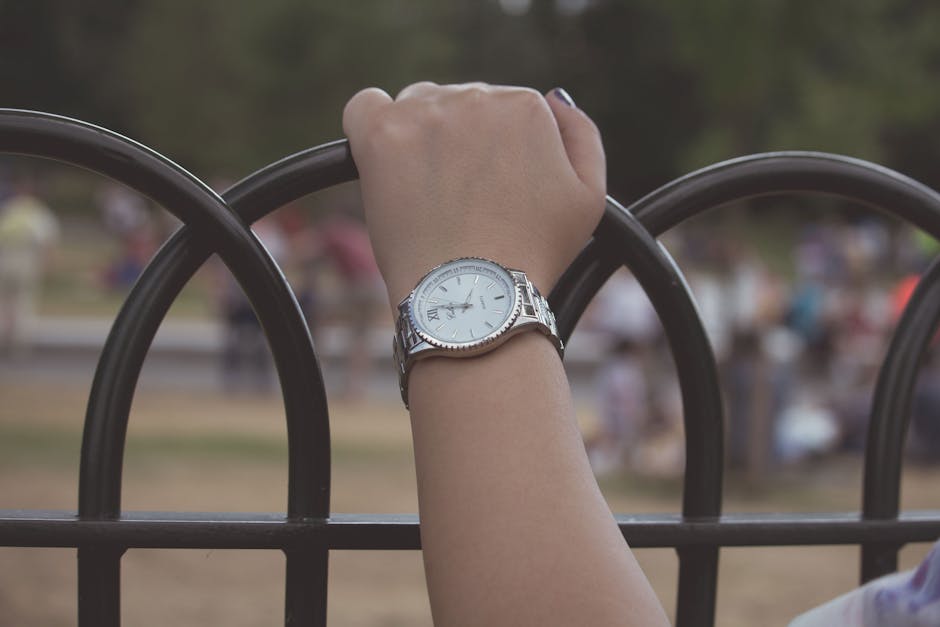
The wristwatch’s origins can be traced back to the late 16th century, when pocket watches were the norm. However, it wasn’t until the late 19th century that wristwatches began gaining popularity, particularly among women. During World War I, soldiers found wristwatches more practical than pocket watches, leading to a surge in their production. The transition marked a significant shift in how timepieces were perceived.
By the 1920s, wristwatches had become fashionable accessories, with brands like Cartier leading the way. The introduction of automatic and quartz movements in the mid-20th century further revolutionized the industry, making wristwatches more accurate and affordable. Today, brands like Rolex and Omega exemplify the blend of luxury and precision that modern wristwatches offer.
Understanding Different Types of Wristwatches
Wristwatches can be broadly categorized into three main types: mechanical, quartz, and smartwatches. Mechanical watches are powered by intricate gears and springs, appealing to enthusiasts who appreciate traditional craftsmanship. Quartz watches, on the other hand, use battery-powered movement, making them highly accurate and low-maintenance.
Smartwatches represent the latest evolution, integrating technology with traditional watchmaking. They offer functionalities like fitness tracking, notifications, and even mobile payments. Despite their modern features, many still regard them as different from classic wristwatches, which are often seen as timeless pieces.
The Art of Watch Collecting
Collecting wristwatches has grown into a passionate hobby for many. Enthusiasts often seek rare models, limited editions, or pieces with historical significance. The market for luxury watches is robust, with some models appreciating significantly over time. For instance, vintage Rolex models have been known to sell for millions at auctions.
When starting a collection, it’s crucial to research and understand the characteristics that affect a watch’s value, such as brand reputation, condition, rarity, and provenance. Additionally, many collectors find joy in not just acquiring watches but also in sharing their knowledge and passion with fellow enthusiasts.
Maintaining Your Wristwatch
Proper maintenance is essential to ensure the longevity of your wristwatch. Mechanical watches require regular servicing, typically every 3 to 5 years, to keep them running smoothly. It’s advisable to have them checked by a professional to avoid costly repairs due to neglect.
Quartz watches, while generally low-maintenance, still require battery replacements. It’s also important to keep them clean and free from moisture. For both types, storing them in a dedicated watch box can prevent scratches and damage. Furthermore, investing in high-quality watch accessories can enhance both the longevity and the aesthetic appeal of your timepiece.
The Future of Wristwatches
The wristwatch industry is at a fascinating crossroads. As technology continues to advance, the integration of smart features in traditional designs is becoming more common. Brands are exploring ways to incorporate technology without sacrificing the elegance and craftsmanship that define luxury watches.
Moreover, the market for clone watches has emerged, catering to those who desire the aesthetic of luxury timepieces at a fraction of the price. While these imitation watches may not hold the same value as their authentic counterparts, they provide an accessible entry point into the world of wristwatches for many.
Conclusion: The Enduring Appeal of Wristwatches
Wristwatches are more than just tools for telling time; they are expressions of personal style, status, and appreciation for craftsmanship. With a rich history and a diverse range of styles, there is a perfect wristwatch for everyone. Whether you are drawn to the classic elegance of a mechanical watch or the modern functionalities of a smartwatch, the world of wristwatches offers endless opportunities for exploration and enjoyment.