










In today’s fast-paced economy, the role of distributors has become increasingly vital for businesses aiming to reach wider markets and enhance their supply chain efficiency. Distributors serve as intermediaries between manufacturers and retailers, playing a crucial role in the logistics and distribution process. They not only facilitate the movement of goods but also help in managing inventory, ensuring product availability, and navigating the complexities of market demands.
What is a Distributor?
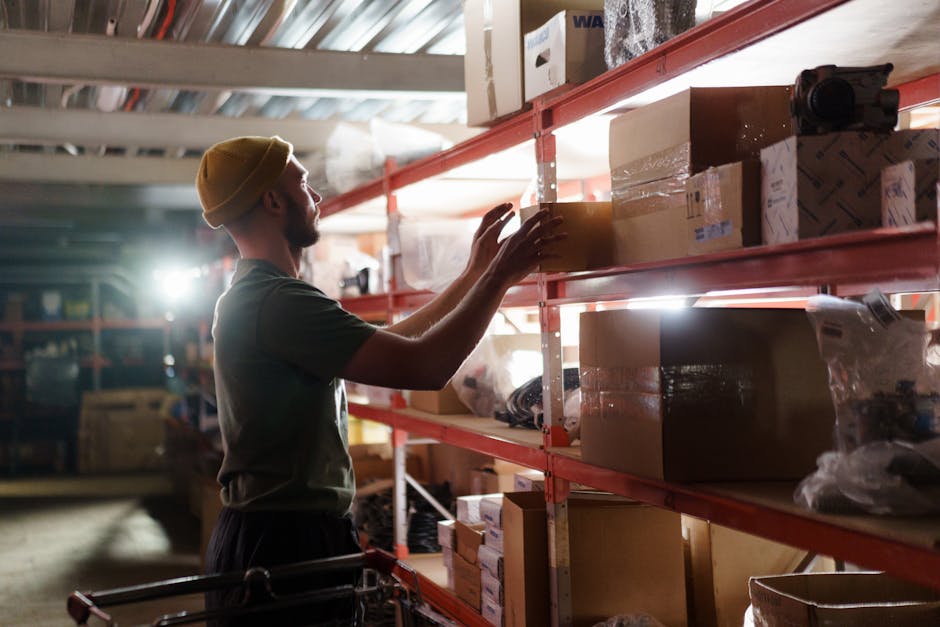
A distributor is a business entity that purchases products from manufacturers and sells them to retailers or directly to consumers. This relationship helps manufacturers expand their reach without needing to invest heavily in their distribution channels. Distributors often hold inventory and are responsible for the logistics of transporting goods to various locations.
The concept of distribution has evolved over the years, with the traditional roles of distributors now complemented by technological advancements. Modern distributors utilize digital tools to optimize their operations, improve inventory management, and enhance customer service. For instance, many distributors now rely on sophisticated software systems to track inventory levels and predict demand trends.
The Benefits of Using Distributors
One of the primary benefits of engaging with distributors is the access they provide to established networks. Distributors often have extensive relationships with retailers, enabling manufacturers to penetrate markets more effectively. This access can lead to increased sales and market presence.
Additionally, distributors often have expertise in specific industries, which can be invaluable for manufacturers looking to navigate complex markets. Their knowledge of local regulations, consumer preferences, and market trends can guide product positioning and marketing strategies.
Another advantage of working with distributors is the ability to reduce operational costs. By outsourcing distribution tasks, manufacturers can focus on their core competencies, such as product development and marketing. Distributors take care of the logistics, which can lead to significant cost savings in transportation and warehousing.
Types of Distributors
Distributors can be categorized into various types based on their business models and the industries they serve. Some common types include:
- Wholesale Distributors: These distributors purchase goods in bulk directly from manufacturers and sell them to retailers. They often operate warehouses to store inventory.
- Retail Distributors: Retail distributors purchase products from manufacturers and sell them directly to consumers. They may operate physical stores or e-commerce platforms.
- Drop Shippers: Drop shippers do not hold inventory but facilitate the sale of products by transferring customer orders directly to manufacturers.
- Value-Added Distributors: These distributors not only sell products but also provide additional services such as packaging, assembly, or technical support.
Understanding the different types of distributors can help manufacturers choose the right partners for their specific needs. For instance, a technology company may benefit from working with a value-added distributor that can provide technical support alongside product sales.
Challenges Faced by Distributors
While distributors play a crucial role in the supply chain, they also face several challenges. One significant challenge is managing inventory effectively. With fluctuating demand and supply chain disruptions, maintaining optimal inventory levels can be difficult. Distributors must implement efficient inventory management practices to avoid stockouts or excess inventory.
Additionally, competition among distributors is fierce. As more businesses recognize the importance of distribution, the market has become crowded, leading to price wars and reduced profit margins. Distributors must differentiate themselves by offering exceptional customer service, specialized knowledge, and innovative solutions.
Another challenge is keeping up with technological advancements. Distributors need to invest in the latest technologies to remain competitive, such as automated inventory management systems and customer relationship management (CRM) tools. This investment can be costly, particularly for smaller distributors.
The Future of Distribution
The future of distribution is likely to be shaped by ongoing technological advancements and changing consumer behaviors. E-commerce has already transformed the distribution landscape, and this trend is expected to continue. Distributors that can adapt to the rise of online shopping will be well-positioned for success.
Moreover, sustainability is becoming an increasingly important consideration for consumers and businesses alike. Distributors that prioritize sustainable practices, such as reducing carbon footprints and using eco-friendly materials, may gain a competitive edge in the market.
In this evolving landscape, distributors must remain agile and responsive to changes in the market. Continuous education and training will be essential for distributors to stay informed about industry trends and best practices.
For businesses looking to optimize their distribution strategies, exploring options like dmso gel can provide innovative solutions that enhance product offerings and meet consumer needs effectively.
Conclusion
In conclusion, distributors play a pivotal role in the modern business landscape, serving as essential links between manufacturers and consumers. Their expertise, established networks, and logistical capabilities make them invaluable partners for businesses looking to expand their market reach and improve operational efficiency. However, distributors must also navigate various challenges and adapt to changing market dynamics to thrive in the future. By leveraging technology and focusing on customer needs, distributors can continue to be key players in the supply chain.