










Stainless steel has become an indispensable material in various industries due to its remarkable properties. Known for its corrosion resistance, strength, and aesthetic appeal, stainless steel is utilized in everything from household items to advanced industrial applications. This article explores the characteristics, applications, and benefits of stainless steel, shedding light on why it has solidified its place in modern manufacturing and design.
What is Stainless Steel?
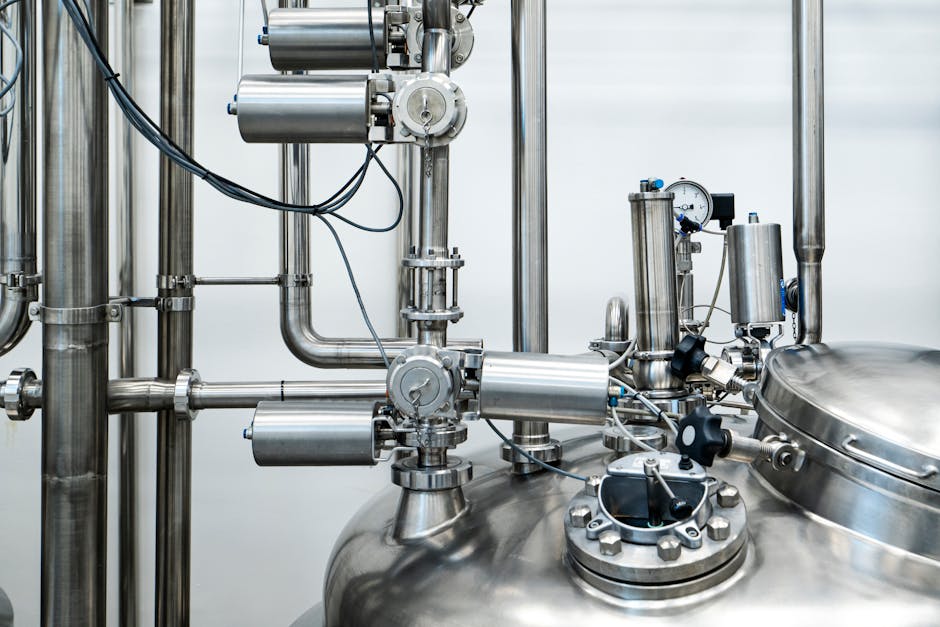
Stainless steel is an alloy primarily composed of iron, chromium, and, in some cases, nickel and other elements. The addition of chromium, at least 10.5%, is what gives stainless steel its characteristic resistance to rust and corrosion. This unique combination of metals results in a strong, durable material that maintains its integrity under various environmental conditions.
The versatility of stainless steel is evident in its wide range of grades. Each grade has distinct properties that make it suitable for different applications. For example, 304 stainless steel is commonly used in kitchen appliances and food processing equipment due to its excellent resistance to oxidation and staining.
Applications of Stainless Steel
The applications of stainless steel are virtually limitless. In the construction industry, it is used for structural components, roofing, and cladding materials. Its aesthetic appeal makes it a popular choice for architectural designs, creating modern and sleek finishes.
In the healthcare sector, stainless steel is vital for surgical instruments and equipment. Its non-reactive nature ensures that it does not harbor bacteria, making it ideal for sterile environments. The food and beverage industry also heavily relies on stainless steel for tanks, pipes, and processing equipment, where cleanliness and durability are paramount.
Moreover, the automotive industry employs stainless steel for exhaust systems, trim, and various other components to enhance durability and performance. The use of stainless steel not only improves the longevity of these parts but also contributes to the overall safety and efficiency of vehicles.
Benefits of Using Stainless Steel
One of the primary benefits of stainless steel is its exceptional longevity. Unlike other materials, it does not corrode easily, which translates to lower maintenance costs and longer life spans for products made from it. For instance, buildings constructed with stainless steel can last for decades without significant deterioration.
Additionally, stainless steel is highly recyclable. This eco-friendly aspect appeals to modern consumers and businesses looking to minimize their environmental impact. In fact, over 50% of the stainless steel produced each year comes from recycled materials, further emphasizing its sustainability.
Furthermore, the aesthetic versatility of stainless steel allows for creativity in design. From brushed finishes to polished surfaces, designers can achieve a wide array of looks that can complement any style, making it a favored choice in both commercial and residential settings. Many interior designers incorporate stainless steel accents in furniture and fixtures to create a contemporary feel, often sourcing from a Furniture Company In Saudi Arabia that specializes in high-quality designs.
Challenges and Considerations
Despite its numerous advantages, there are challenges associated with using stainless steel. One of the notable issues is its higher initial cost compared to other materials. This can be a deterrent for budget-conscious projects. However, when considering the long-term savings on maintenance and replacement, investing in stainless steel often proves to be wise.
Moreover, the fabrication of stainless steel requires specialized equipment and expertise, which can add to production costs. It is essential for manufacturers to understand the specific properties of different grades to choose the right material for their applications.
The Future of Stainless Steel
The future of stainless steel looks promising, with ongoing innovations in its production and applications. Advances in metallurgy are leading to the development of new grades that offer even greater strength and corrosion resistance. Additionally, the push for sustainable materials means that the recycling of stainless steel will continue to play a crucial role in its future.
As industries increasingly prioritize sustainability, the demand for stainless steel is likely to grow. Its recyclability and durability make it a superior choice for companies aiming to reduce their carbon footprint while maintaining high standards of quality.
Conclusion
Stainless steel is more than just a material; it represents a blend of functionality, aesthetics, and sustainability. Its versatility allows it to meet the demands of various industries, making it a critical component in modern manufacturing and design. As technology evolves and sustainability becomes a focal point, stainless steel is poised to remain a key player for years to come. Understanding its properties and applications can help businesses and consumers alike appreciate the value it brings to everyday life.