









Education is a cornerstone of society, shaping individuals and communities for generations. As we navigate the complexities of the modern world, the landscape of education continues to evolve, driven by technological advancements and changing societal needs. This article delves into the current trends in education, the impact of technology, and the importance of lifelong learning.
The Shift Towards Online Learning

The rise of the internet has fundamentally transformed the way we approach education. Online learning platforms have made education more accessible than ever before. According to a recent report, over 30% of higher education students in the United States are enrolled in at least one online course. This shift allows learners from diverse backgrounds to access quality education without the constraints of geography.
One of the most significant advantages of online learning is the flexibility it offers. Students can learn at their own pace, which is particularly beneficial for those who may be balancing work and family commitments. As more institutions recognize the value of online education, the options available to students continue to expand, offering a wide range of courses and programs.
Moreover, many students find that the interactive nature of online courses, including forums and virtual classrooms, enhances their learning experience. For instance, platforms like Coursera and edX allow students to engage with peers and instructors from around the world, fostering a global learning community that enriches their educational journey.
Incorporating Technology in the Classroom
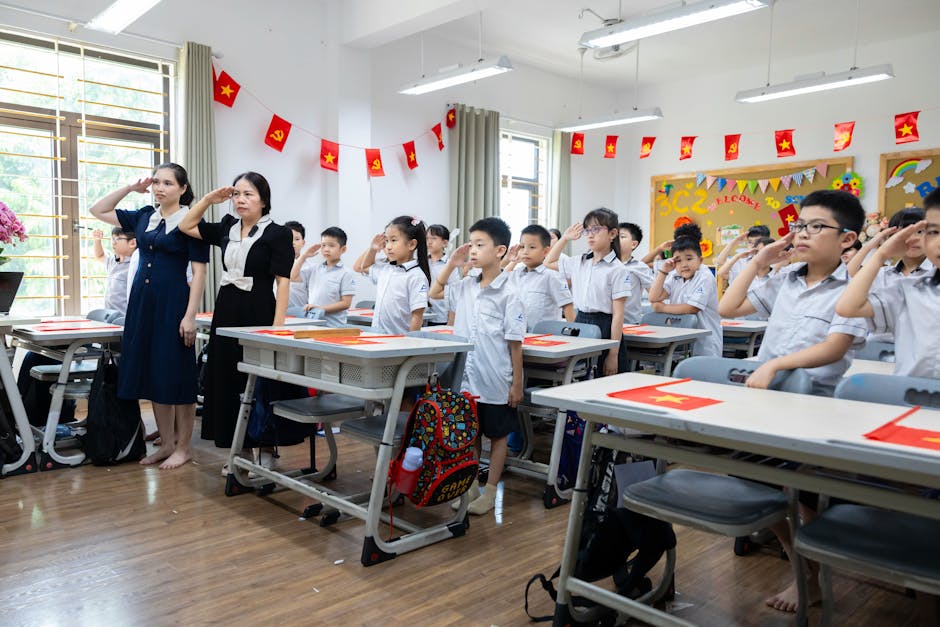
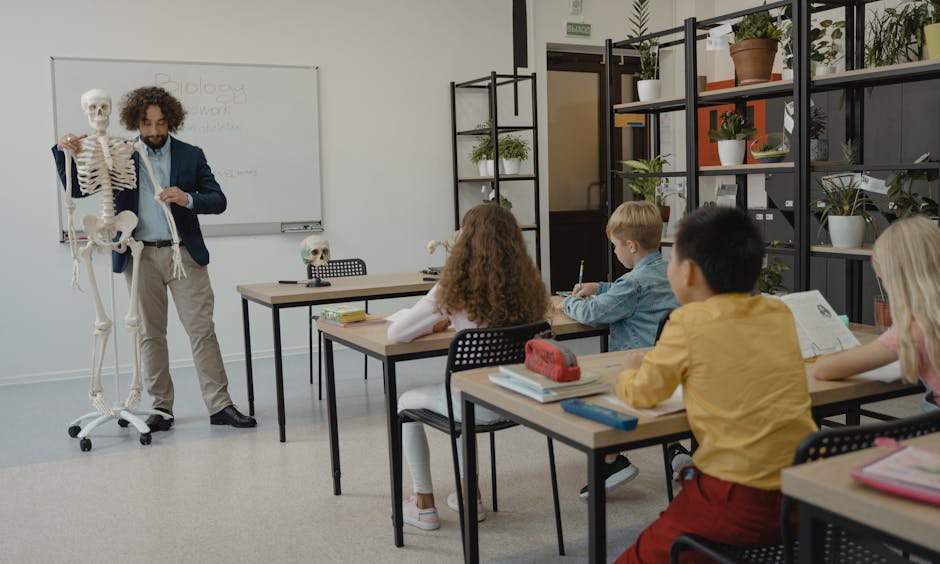
Technology is not only transforming education through online learning but also enhancing traditional classroom experiences. Interactive whiteboards, tablets, and educational software are becoming commonplace in schools, facilitating a more engaging learning environment. Educators are leveraging these tools to create interactive lessons that cater to various learning styles.
The use of technology in education also allows for real-time feedback and assessment. For example, programs like Kahoot and Quizlet enable teachers to gauge student understanding instantly, allowing them to adjust their teaching methods accordingly. This immediate response can significantly improve learning outcomes and student satisfaction.
Furthermore, technology facilitates personalized learning experiences. Adaptive learning systems analyze student performance and tailor content to meet individual needs. This approach ensures that each student can progress at their own pace, enhancing their overall learning experience.
The Importance of Lifelong Learning
In today’s rapidly changing job market, the concept of lifelong learning has gained prominence. With advancements in technology and shifting job requirements, individuals must continuously update their skills to remain competitive. According to the World Economic Forum, over 1 billion people will need reskilling by 2030 due to automation and changing workforce demands.
Lifelong learning encompasses not only formal education but also informal learning opportunities. Online courses, workshops, and self-directed learning are all critical components of this ongoing educational journey. Businesses are increasingly investing in employee training programs, recognizing that a skilled workforce is vital for success in the modern economy.
Additionally, lifelong learning fosters personal growth and adaptability. Individuals who engage in continuous learning are better equipped to handle changes in their careers and personal lives. This flexibility not only benefits the individuals but also contributes to a more resilient society as a whole.
Global Perspectives on Education
The approach to education varies significantly across different cultures and countries. In Finland, for example, the education system emphasizes creativity and critical thinking over standardized testing. This student-centered approach has resulted in some of the highest educational outcomes in the world.
Conversely, countries with a more traditional education system may place greater emphasis on rote memorization and standardized assessments. While these methods can yield short-term results, they may not foster the critical thinking and problem-solving skills necessary for success in the 21st century.
Furthermore, international collaborations and exchanges are increasingly common, allowing educators and students to learn from one another. Programs that facilitate cross-cultural experiences can broaden perspectives and enhance understanding among students from diverse backgrounds.
Conclusion: The Future of Education
As we look towards the future, it is clear that education will continue to evolve in response to societal needs and technological advancements. Embracing change and fostering innovation will be essential in creating an educational system that prepares individuals for the challenges of tomorrow. By prioritizing accessibility, technology integration, and lifelong learning, we can ensure that education remains a powerful tool for personal and societal growth.
For those pursuing careers in nursing and healthcare, attending an In person Nclex review in Houston can provide invaluable support in achieving their professional goals. As education transforms, the commitment to learning remains a constant, guiding individuals towards a brighter future.