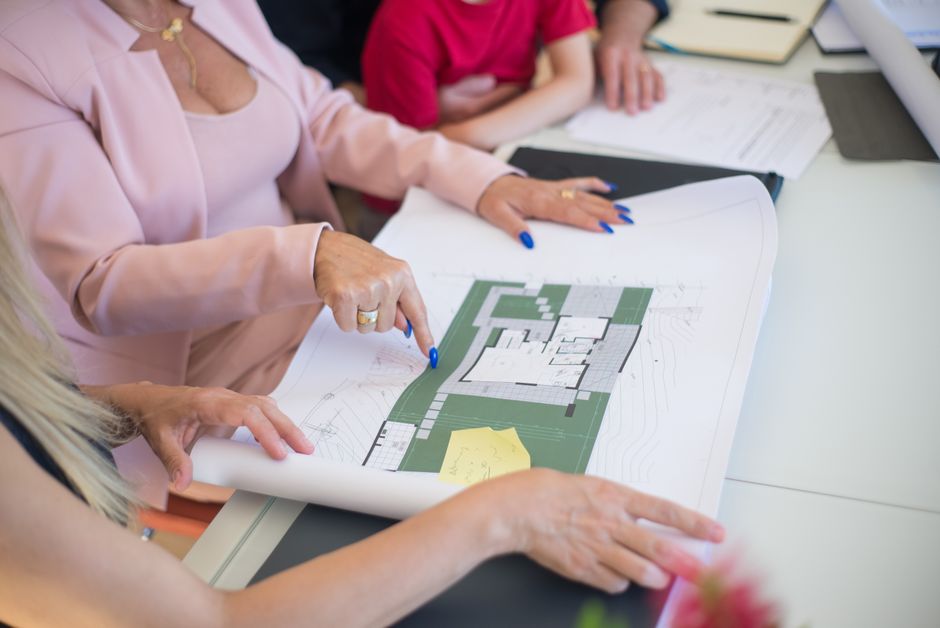










In recent years, the architectural landscape has undergone a significant transformation as the world grapples with the pressing challenges of climate change and environmental degradation. Sustainable architecture firms have emerged as a beacon of hope, leading the charge towards eco-friendly design practices that not only enhance the aesthetic value of structures but also minimize their environmental impact. This article delves into the principles, practices, and successes of sustainable architecture, highlighting how these firms are redefining the way we think about building and design.
Understanding Sustainable Architecture

Sustainable architecture is an approach that seeks to create buildings that are environmentally responsible and resource-efficient throughout their life-cycle. This includes the design, construction, operation, and eventual demolition of a building. The core principles of sustainable architecture involve minimizing energy consumption, using renewable resources, and creating healthy indoor environments. By focusing on these aspects, architects can significantly reduce the carbon footprint of their projects.
One of the most critical components of sustainable architecture is energy efficiency. According to the U.S. Department of Energy, buildings account for approximately 39% of total energy consumption in the United States. Sustainable architecture firms aim to reduce this figure by incorporating energy-efficient systems, such as solar panels, high-performance insulation, and advanced HVAC systems that optimize energy use while maintaining comfort.
Additionally, sustainable architecture promotes the use of sustainable materials, which are sourced responsibly and have a lower environmental impact. For instance, materials like bamboo, recycled steel, and reclaimed wood are increasingly popular choices among eco-conscious architects. These materials not only reduce waste but also contribute to a healthier indoor environment by minimizing harmful emissions.
The Role of Technology in Sustainable Design
Technology plays a pivotal role in the evolution of sustainable architecture. Innovations such as Building Information Modeling (BIM) allow architects to create detailed digital representations of buildings, enabling them to analyze energy performance and optimize designs before construction begins. This proactive approach helps identify potential inefficiencies and reduces waste during the building process.
Moreover, smart building technologies, which incorporate sensors and automation, facilitate real-time monitoring of energy usage, allowing for adjustments that enhance efficiency. For example, smart thermostats can learn a building’s usage patterns and adjust heating and cooling accordingly, resulting in substantial energy savings.
Furthermore, the integration of biophilic design—an approach that incorporates natural elements into architectural spaces—has gained traction in sustainable architecture. Studies have shown that incorporating plants, natural light, and water features can improve occupants’ well-being and productivity, making it a win-win for both the environment and the inhabitants.
Successful Case Studies of Sustainable Architecture
Numerous sustainable architecture firms have successfully implemented eco-friendly practices in their projects, serving as exemplary models for the industry. One notable example is the Bosco Verticale, or Vertical Forest, in Milan, Italy. Designed by Stefano Boeri Architetti, this residential complex features two towers adorned with over 9,000 trees, 20,000 shrubs, and 100,000 plants. The project not only enhances biodiversity but also improves air quality and reduces energy consumption by providing natural insulation.
Another inspiring project is the Edge in Amsterdam, designed by PLP Architecture. This office building is often touted as one of the greenest in the world, achieving a BREEAM rating of “Outstanding.” The design incorporates renewable energy sources, such as solar panels and wind turbines, and features an innovative water management system that recycles rainwater for irrigation and other non-potable uses.
These examples illustrate the potential of sustainable architecture to create environments that are not only functional and aesthetically pleasing but also beneficial for the planet and its inhabitants.
The Future of Sustainable Architecture Firms
The future of sustainable architecture is bright, with an increasing number of firms recognizing the importance of eco-friendly practices. As global awareness of climate change grows, clients are demanding greener buildings that align with their values. This shift in perspective is prompting architects to innovate continually and explore new materials, technologies, and design strategies.
Furthermore, government regulations and incentives are playing a crucial role in promoting sustainable architecture. Many countries are implementing stricter building codes that require energy-efficient practices, while offering tax credits and grants for green building projects. This supportive environment fosters collaboration between architects, builders, and environmental organizations, paving the way for a more sustainable future.
As the demand for sustainable architecture continues to rise, firms that prioritize green design will not only thrive but also contribute to a healthier planet for future generations. By embracing the principles of sustainability, they can create buildings that are responsive to the needs of both people and the environment.
Conclusion
The emergence of sustainable architecture firms represents a significant shift in the way we approach building and design. By prioritizing environmental responsibility, these firms are not only addressing the urgent need for sustainable practices but also setting new standards for the industry. Through innovative design, the use of advanced technology, and a commitment to eco-friendly materials, sustainable architecture is paving the way for a greener, more sustainable future. As we look ahead, it is clear that the integration of sustainable practices in architecture will be essential in combating climate change and promoting a healthier planet. For those interested in exploring the world of sustainable design, engaging with a sustainable architecture firm can be a transformative experience that fosters a deeper understanding of the intersection between architecture and environmental stewardship.