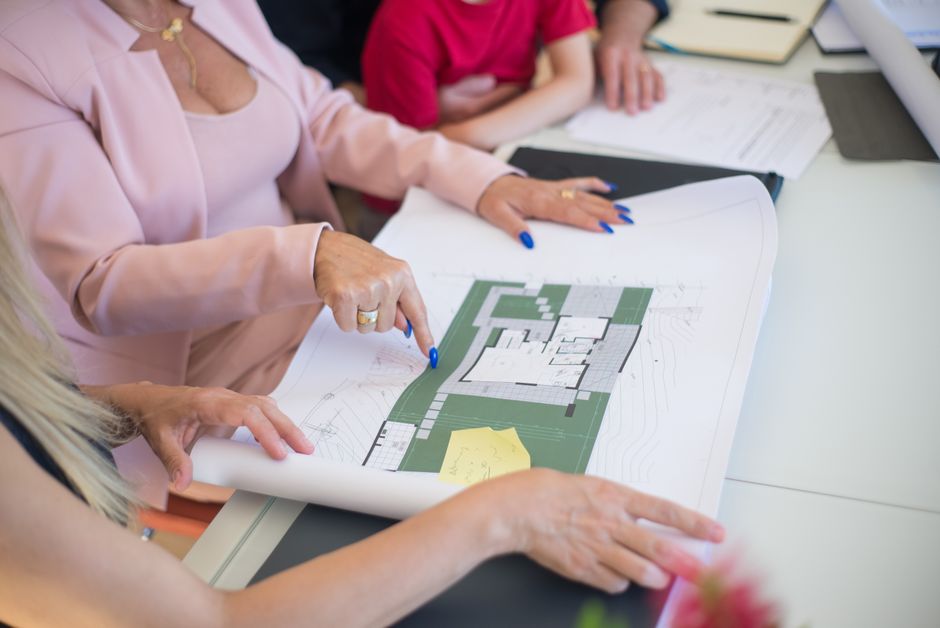










In the ever-evolving world of architecture and design, the role of an interior design firm has become increasingly pivotal. These firms not only shape the aesthetics of a space but also enhance functionality and improve the overall well-being of its inhabitants. From residential homes to corporate offices, the expertise of interior designers can turn mundane environments into inspiring and practical spaces.
The Importance of Interior Design
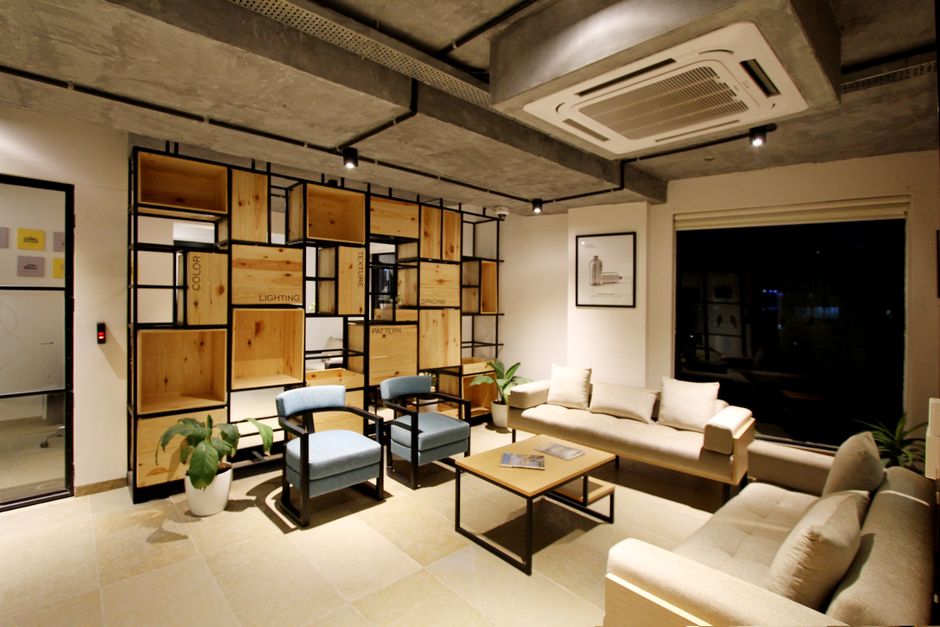
Interior design is much more than just arranging furniture or selecting paint colors. It is a comprehensive process that involves understanding the needs and preferences of clients, analyzing the functionality of a space, and applying design principles to create harmonious environments. According to a survey by the American Society of Interior Designers (ASID), 90% of respondents believe that well-designed interiors positively impact their quality of life.
Moreover, the emotional and psychological implications of interior design cannot be overlooked. Spaces designed with intention can boost productivity in office settings, promote relaxation in homes, and even influence customer behavior in retail environments. For instance, a well-lit and inviting workspace can lead to a 20% increase in employee satisfaction and productivity.
What to Look for in an Interior Design Firm
Choosing the right interior design firm is crucial for the success of any project. Potential clients should consider several factors when selecting a firm. First and foremost, it’s essential to review the firm’s portfolio to understand their style and expertise. Each firm has its unique approach, and finding one that aligns with your vision is key.
Additionally, it’s important to evaluate the firm’s experience and client testimonials. A reputable interior design firm will often have case studies or references that showcase their ability to deliver results. Furthermore, communication is vital; clients should feel comfortable discussing their ideas and concerns with the designers.
The Design Process: From Concept to Completion
The design process typically begins with an initial consultation, where the designer gathers information about the client’s preferences, needs, and budget. Following this, the firm will develop a concept that outlines the overall vision for the project. This phase often includes mood boards, sketches, and 3D renderings to help clients visualize the final outcome.
Once the concept is approved, the firm will move into the implementation phase, which involves selecting materials, furnishings, and finishing touches. It’s a critical stage where attention to detail is paramount. During this process, the design firm will coordinate with contractors and suppliers to ensure that everything runs smoothly and on schedule.
Sustainability in Interior Design
As environmental concerns continue to rise, many interior design firms are integrating sustainability into their practices. This shift towards eco-friendly design not only benefits the planet but also appeals to a growing demographic of environmentally conscious consumers. Sustainable interior design may involve the use of recycled materials, energy-efficient lighting, and environmentally friendly furnishings.
Statistics indicate that 60% of consumers prefer to purchase products from companies that are committed to sustainability. Therefore, firms that prioritize eco-friendly practices can not only contribute to environmental preservation but also enhance their marketability and appeal to clients.
Future Trends in Interior Design
The interior design industry is constantly evolving, and staying updated on trends is essential for firms looking to remain competitive. Current trends include the use of smart technology in home design, biophilic design that incorporates natural elements, and the revival of retro styles.
Moreover, the COVID-19 pandemic has shifted priorities, leading to an increased focus on creating multifunctional spaces that cater to remote work and relaxation. Designers are now more than ever called upon to create homes that are not only beautiful but also functional and adaptable to changing lifestyles.
Conclusion
In conclusion, the role of an interior design firm extends far beyond aesthetics; it encompasses functionality, sustainability, and the enhancement of overall well-being. As clients seek to create personalized and meaningful spaces, the expertise of interior designers becomes invaluable. By understanding the importance of interior design, knowing what to look for in a firm, and staying abreast of trends, clients can make informed decisions that will lead to spaces that truly reflect their vision and needs.