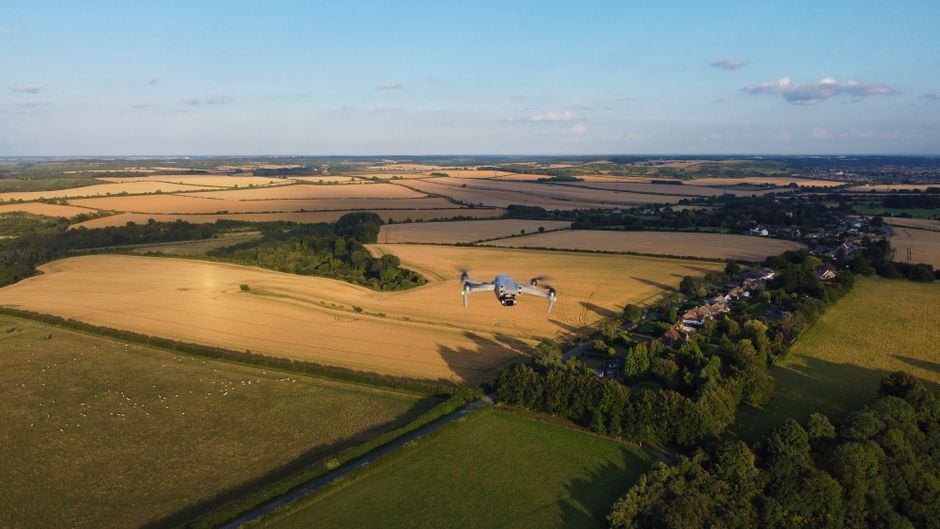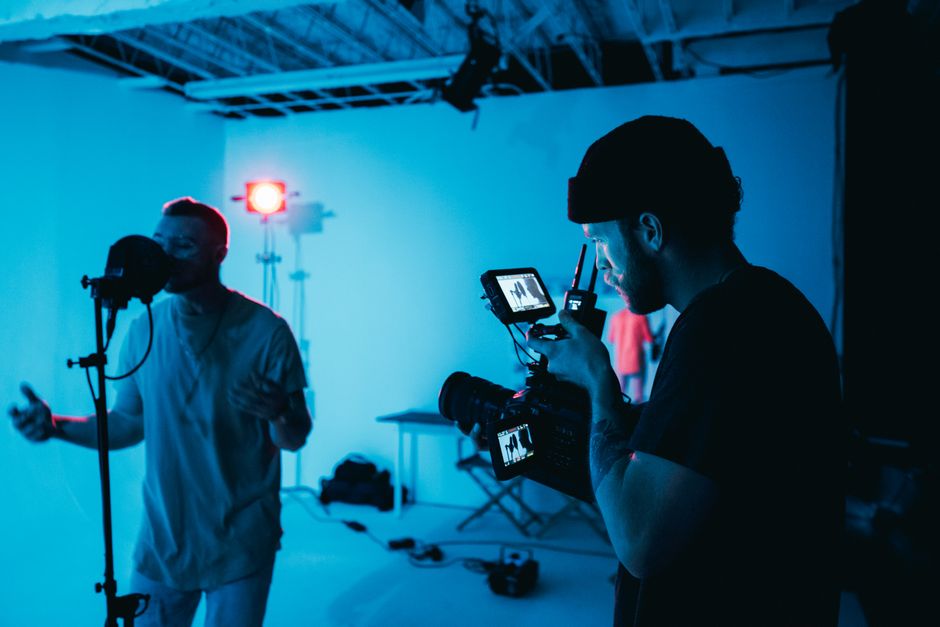










In recent years, the technological advancement of drones has revolutionized photography, giving rise to a new genre known as aerial drone photography. This innovative approach allows photographers to capture breathtaking images from unique perspectives, offering a bird’s-eye view that was once limited to expensive equipment and expert pilots. As more enthusiasts and professionals embrace this trend, understanding its nuances becomes essential for anyone looking to explore this captivating field.
Understanding Aerial Drone Photography
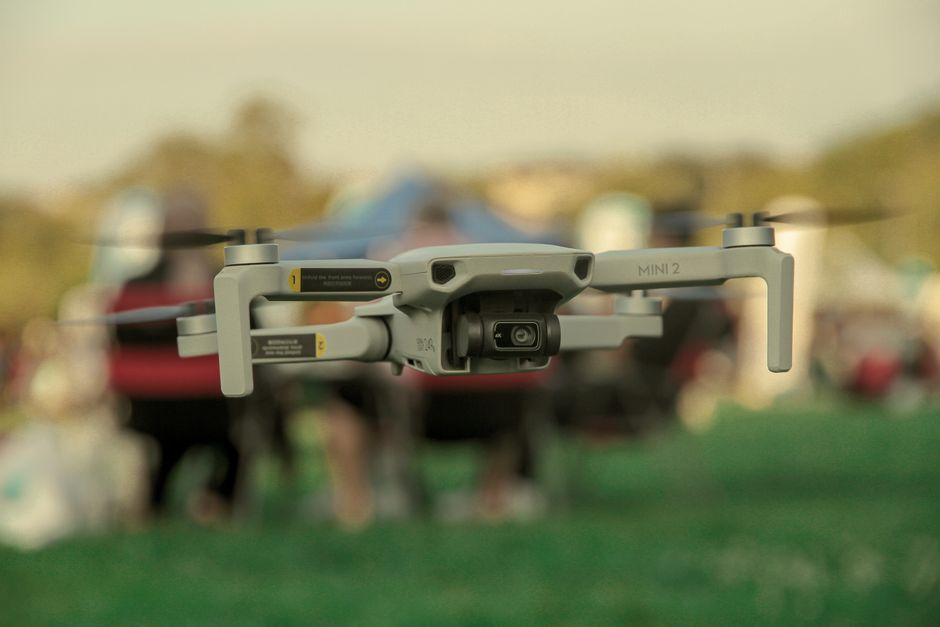
Aerial drone photography utilizes unmanned aerial vehicles (UAVs) equipped with high-resolution cameras to capture images from above. Unlike traditional photography, where the photographer is often limited by ground-level viewpoints, drones can soar to incredible heights and navigate challenging terrains. This capability not only enhances the visual appeal of the photographs but also provides unique angles and compositions that were previously unattainable.
The rise of consumer drones has made aerial photography more accessible than ever. With models available at various price points, budding photographers can easily invest in equipment that suits their needs. However, it’s important to remember that high-quality results depend not just on the drone’s capabilities but also on the photographer’s skills and understanding of aerial composition and lighting.
Moreover, aerial photography is not just about capturing pretty pictures; it can serve practical purposes as well. Real estate agents, for example, have begun utilizing aerial drone photography to showcase properties from a vantage point that highlights their surroundings, giving potential buyers a better sense of the property’s location and layout.
Legal Considerations and Safety Regulations
As with any form of photography, aerial drone photography comes with its own set of legal and safety considerations. Regulations vary by country, but many places require drone operators to adhere to specific guidelines to ensure safety in the airspace. For instance, in the United States, the Federal Aviation Administration (FAA) mandates that drones must be flown below 400 feet and away from airports.
Furthermore, drone pilots are often required to register their devices, particularly if they intend to use them for commercial purposes. Understanding and complying with local laws is essential to avoid hefty fines and ensure the safety of both the drone operator and the public.
Safety should always be a top priority. Photographers must be aware of their surroundings, avoiding crowded areas and respecting privacy. Additionally, operators should familiarize themselves with their drone’s features and limitations before attempting complex maneuvers or aerial shots.
Mastering Aerial Photography Techniques
To excel in aerial drone photography, practitioners must refine their skills and techniques. One crucial aspect is mastering the art of composition. The rule of thirds, leading lines, and framing can all enhance the visual appeal of aerial shots. Photographers should also consider the direction of light and the time of day, as these factors dramatically affect the quality of images.
Another technique is to utilize different flight patterns to create dynamic shots. For example, flying in a circular pattern can add depth to the images, while hovering at specific points allows for detailed captures of interesting subjects below. Experimenting with angles and heights can also yield surprising and stunning results.
Post-processing is another critical component of aerial photography. Editing software can help enhance images by adjusting brightness, contrast, and color saturation, allowing photographers to achieve the desired aesthetic. Learning to use these tools effectively can make a significant difference in the final presentation of aerial photographs.
Applications of Aerial Drone Photography
The versatility of aerial drone photography has opened up a myriad of applications across various industries. In construction, for instance, drones are used to monitor project progress, inspect hard-to-reach areas, and provide stakeholders with comprehensive views of the site from multiple angles.
Event photography has also benefited from the use of drones. Weddings, festivals, and outdoor events can be captured from the air, providing a unique perspective that enhances the storytelling aspect of the photographs. Clients are often thrilled with the results, as these images showcase the scale and ambiance of the events in ways that ground-level photography cannot.
Additionally, aerial photography has become a powerful tool for environmental monitoring. Scientists and researchers utilize drones to survey landscapes, track wildlife, and assess changes in ecosystems over time, making it an invaluable resource for conservation efforts.
Conclusion
Aerial drone photography has undoubtedly transformed the way we capture images, offering new perspectives and opportunities for creativity. As technology continues to evolve, the possibilities for aerial photography will expand, inviting both enthusiasts and professionals to explore this exciting field. By understanding the techniques, regulations, and applications of drones in photography, photographers can harness the full potential of this medium and create stunning visual narratives that captivate audiences around the world.