









In the ever-evolving world of digital content, music videos stand out as a vibrant and engaging medium. They combine visual art, storytelling, and music to create a unique experience for the audience. As artists and creators strive to make their mark, understanding the nuances of music video production becomes crucial. This article delves into the essential elements of music video production, from concept development to final editing, providing insights and tips for aspiring creators.
Understanding the Concept
The first step in producing a music video is developing a strong concept. This involves brainstorming ideas that align with the song’s themes and emotions. A well-defined concept not only guides the visual storytelling but also resonates with the audience. For instance, consider the iconic music video for “Thriller” by Michael Jackson. The narrative-driven approach helped elevate the music video to cinematic levels, making it a cultural phenomenon.
Moreover, collaborating with the artist is vital during this phase. Their vision and personal style should be integrated into the concept. This collaboration ensures that the final product feels authentic and true to the artist’s identity.
Pre-Production Planning
Once the concept is solidified, the next phase is pre-production. This stage covers everything from budgeting to scheduling. A detailed plan is essential to ensure smooth execution on the shooting day. This includes scouting locations, casting actors or dancers, and organizing crew members.
For example, if the concept involves a dramatic chase scene, it’s important to select locations that enhance the narrative while being logistically feasible. Additionally, securing permits and managing the budget effectively can prevent last-minute complications that could derail the project.
Shooting the Video
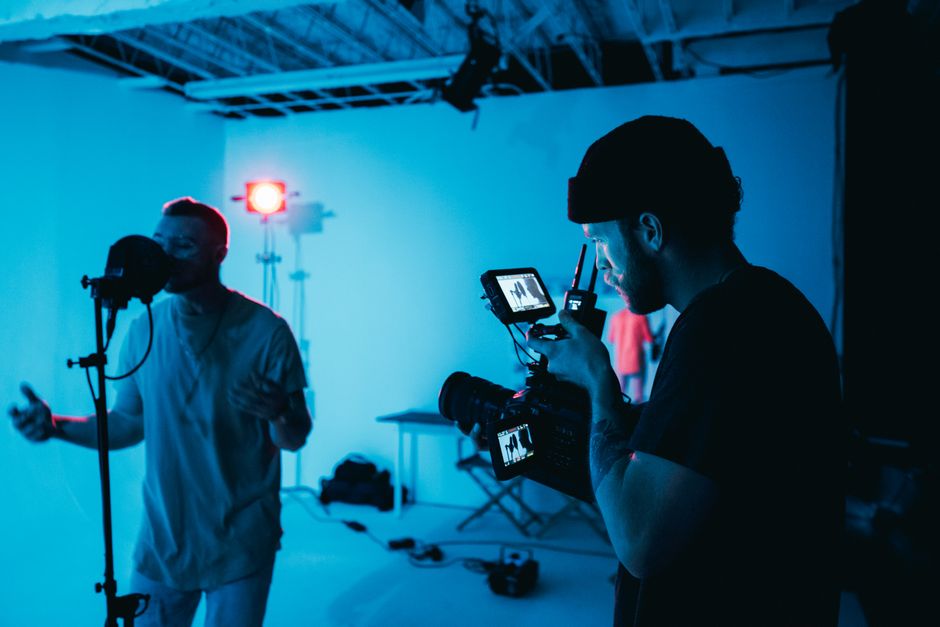
The actual shooting of the music video is often where the magic happens. This phase requires effective communication and coordination among the entire crew. Directors, cinematographers, and production assistants must work in harmony to bring the concept to life.
Using high-quality equipment is also essential. While many smartphones today can shoot in high resolution, investing in professional cameras and lighting can significantly elevate the video quality. The use of different camera angles, movements, and lighting techniques can dramatically influence the mood and tone of the video.
During the shoot, it’s important to remain flexible. Sometimes, unexpected challenges arise—such as weather changes or location issues. Adaptability is key to ensuring the project stays on track.
Editing and Post-Production
After shooting wraps, the next step is editing. This phase is where the visual storytelling truly comes together. Editors use software to cut and arrange footage, add effects, and synchronize visuals with the music. This is also the stage where color grading and sound design take place, enhancing the overall aesthetic and emotional impact of the video.
For instance, a vibrant color palette might be used for a fun, upbeat song, while darker tones could be employed for more serious themes. Additionally, incorporating special effects or animations can add an extra layer of creativity, making the video stand out.
Once the editing is complete, the final product must undergo a review process. This includes feedback from the artist and other stakeholders to ensure that the video aligns with the original vision.
Distribution and Marketing
Creating a music video is only half the battle; distribution and marketing are crucial for reaching the intended audience. Platforms like YouTube, Vimeo, and social media are essential for sharing the video with fans. Optimizing the video for search engines can also enhance visibility. This includes using effective keywords, engaging descriptions, and eye-catching thumbnails.
Moreover, leveraging social media can create buzz around the release. Artists can engage with fans by sharing behind-the-scenes content and teasers leading up to the launch. Collaborating with influencers or other artists can also help broaden the reach.
Ultimately, the goal is to create a music video that not only entertains but also leaves a lasting impression. Understanding the intricacies of music video production is key to achieving this.
Conclusion
Music video production is a multifaceted process that blends creativity with technical expertise. From the initial concept to the final edit, every stage is crucial in crafting a compelling visual narrative. By understanding these stages, aspiring creators can enhance their skills and produce music videos that resonate with audiences. As the industry continues to evolve, staying informed about the latest trends and technologies will be essential for success.