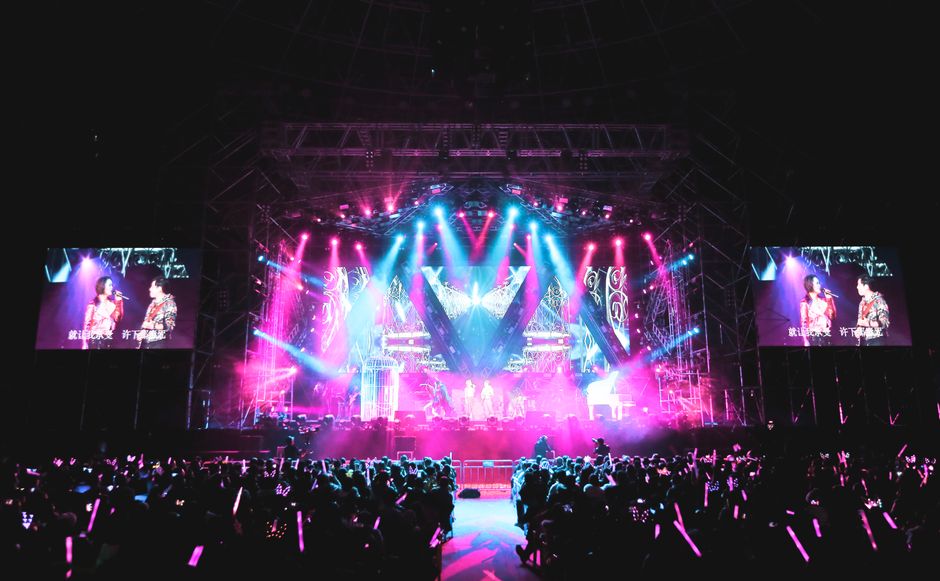










Corporate events are more than just gatherings; they are strategic opportunities for businesses to connect, engage, and inspire. Whether it’s a small meeting or a grand gala, the planning and execution of these events can significantly impact a company’s image and employee morale. In this article, we will explore the essential elements of successful corporate events, from planning and organization to execution and follow-up.
Understanding the Purpose of Corporate Events

Before diving into the logistics of planning a corporate event, it’s crucial to understand its purpose. Corporate events can serve various objectives, such as team building, networking, product launches, or celebrating milestones. Identifying the primary goal of the event will guide all subsequent decisions, from the venue selection to the event programming.
For instance, a company looking to foster team spirit might opt for a retreat that includes team-building activities and workshops. Conversely, a product launch event would focus on showcasing the new product, attracting potential clients, and generating media buzz.
Key Elements of Planning
Effective planning is the backbone of any successful corporate event. Begin with a detailed event checklist that includes budgeting, venue selection, catering, and technology requirements. Each of these elements must align with the event’s goals and the company’s brand identity.
For example, when selecting a venue, consider its capacity, location, and amenities. A corporate magicians can add an element of surprise and entertainment, making the event memorable. If you’re in Boston, hiring a Corporate Magician Boston can elevate the experience and engage your audience in an innovative way.
Engaging Your Audience
Audience engagement is critical for the success of any corporate event. This can be achieved through interactive sessions, keynote speakers, and entertainment that resonates with the attendees. The more engaged your audience, the more likely they are to remember the event positively.
Incorporating activities that encourage participation, such as Q&A sessions or live polls, can keep the energy high and foster a sense of community among attendees. Additionally, consider the use of social media to enhance engagement before, during, and after the event. Creating an event hashtag can encourage attendees to share their experiences, further promoting your brand.
Post-Event Follow-Up
The work doesn’t end when the event concludes. Post-event follow-up is essential for maintaining connections and assessing the event’s success. Send thank-you notes to attendees and speakers, and share highlights from the event on your company’s website and social media platforms.
Moreover, gathering feedback through surveys can provide valuable insights into what worked well and what could be improved for future events. This feedback loop helps refine your event planning process, ensuring that each subsequent event is better than the last.
Conclusion: The Future of Corporate Events
As the corporate landscape continues to evolve, so too will the nature of corporate events. Embracing new technologies, sustainable practices, and innovative formats will be key to staying relevant in this dynamic environment. By focusing on the core elements of successful event planning and execution, companies can create memorable experiences that foster connections and drive engagement.