









Cardiopulmonary resuscitation (CPR) is a critical skill that can mean the difference between life and death in emergency situations. Whether it is a sudden cardiac arrest or a drowning incident, being equipped with the knowledge and ability to perform CPR can save lives. In this article, we will explore what CPR is, why it is essential, how to perform it, and the importance of training.
What is CPR?
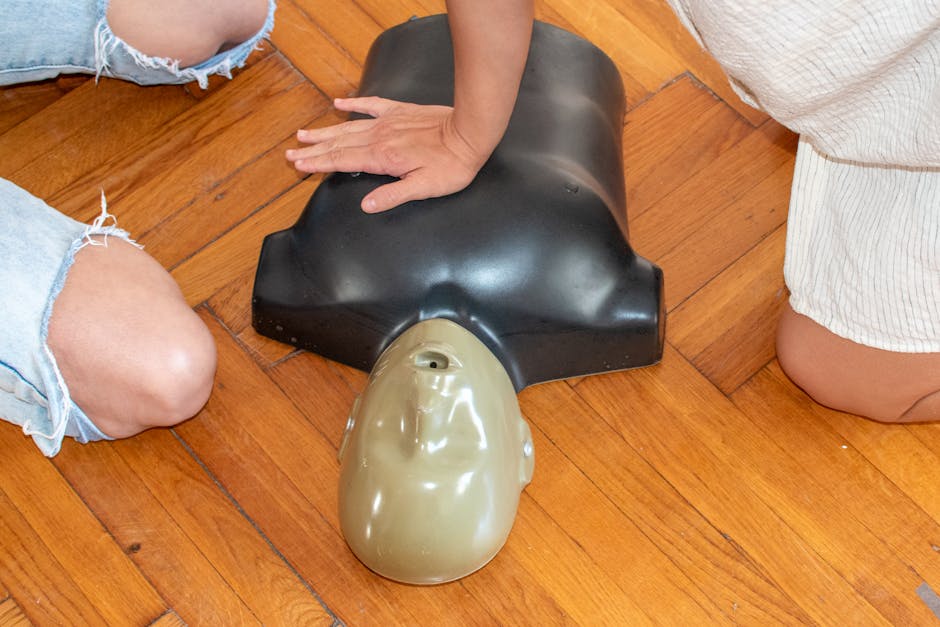
CPR is a lifesaving technique used in emergencies when someone’s heartbeat or breathing has stopped. It involves a combination of chest compressions and rescue breaths to maintain blood flow to the brain and other vital organs until professional medical help arrives. The technique is designed to keep oxygenated blood flowing to the heart and brain, significantly increasing the chances of survival.
According to the American Heart Association, immediate CPR can double or triple a victim’s chances of survival after cardiac arrest. Understanding how CPR works and its importance can empower bystanders to act quickly in emergencies.
Why is CPR Important?
The statistics surrounding cardiac arrest are alarming. Each year, approximately 350,000 cases of out-of-hospital cardiac arrest occur in the United States alone. Unfortunately, only about 10% of these individuals survive. One of the main reasons for the low survival rate is the lack of immediate intervention. This is where CPR plays a vital role.
CPR not only keeps blood circulating but also buys time for emergency medical services (EMS) to arrive. When performed correctly, CPR can help maintain some level of circulation until advanced care can be provided. This is critical because the brain can sustain irreversible damage after just four to six minutes without oxygen.
How to Perform CPR
Performing CPR involves several key steps that anyone can learn. The American Heart Association recommends the following basic steps:
1. **Check the scene**: Ensure that the environment is safe for you and the victim. Look for any hazards that could pose a danger.
2. **Check for responsiveness**: Tap the person and shout to see if they respond. If they do not respond, call for emergency help immediately.
3. **Open the airway**: Tilt the victim’s head back slightly to open the airway. This can be done by placing one hand on the forehead and two fingers under the chin.
4. **Check for breathing**: Look, listen, and feel for breathing for no more than 10 seconds. If the victim is not breathing or only gasping, begin CPR.
5. **Perform chest compressions**: Place the heel of one hand on the center of the chest and the other hand on top. Press down hard and fast at a rate of 100 to 120 compressions per minute. Aim for a depth of about 2 inches.
6. **Rescue breaths**: After every 30 compressions, give 2 rescue breaths if you are trained to do so. Pinch the nose shut, cover the person’s mouth with yours, and give a breath that lasts about 1 second, ensuring the chest rises visibly.
7. **Continue CPR**: Keep alternating between 30 compressions and 2 breaths until emergency services arrive or the person shows signs of life.
For those interested in receiving formal training, various courses are available, including HLR kurs Stockholm, which provides hands-on instruction and practice.
The Importance of CPR Training
While knowing the steps to perform CPR is crucial, proper training significantly enhances the effectiveness of the technique. CPR training courses offer practical experience and can help build confidence in performing CPR during an emergency. These courses often include scenarios that mimic real-life situations, preparing participants for the unexpected.
Moreover, training can help dispel common myths about CPR, such as the fear of hurting someone or the misconception that CPR is only for medical professionals. In reality, anyone can learn and perform CPR, and being trained increases the likelihood of intervention in emergencies.
Conclusion
In conclusion, CPR is a vital skill that everyone should learn. The ability to perform CPR can save lives and provide critical support until professional help arrives. With the prevalence of cardiac arrests and other emergencies, being prepared can make a significant difference. Consider enrolling in a CPR course to equip yourself with the knowledge and skills necessary to respond effectively in an emergency. Remember, every second counts, and your actions could save a life.