










Landscape architecture is a unique blend of art and science that shapes the outdoor environment. It involves the planning, designing, and managing of parks, gardens, and public spaces, all while considering ecological sustainability and human interaction. As urban areas continue to expand, the role of landscape architects becomes increasingly significant in creating spaces that are not only aesthetically pleasing but also functional and environmentally friendly.
The Role of a Landscape Architect
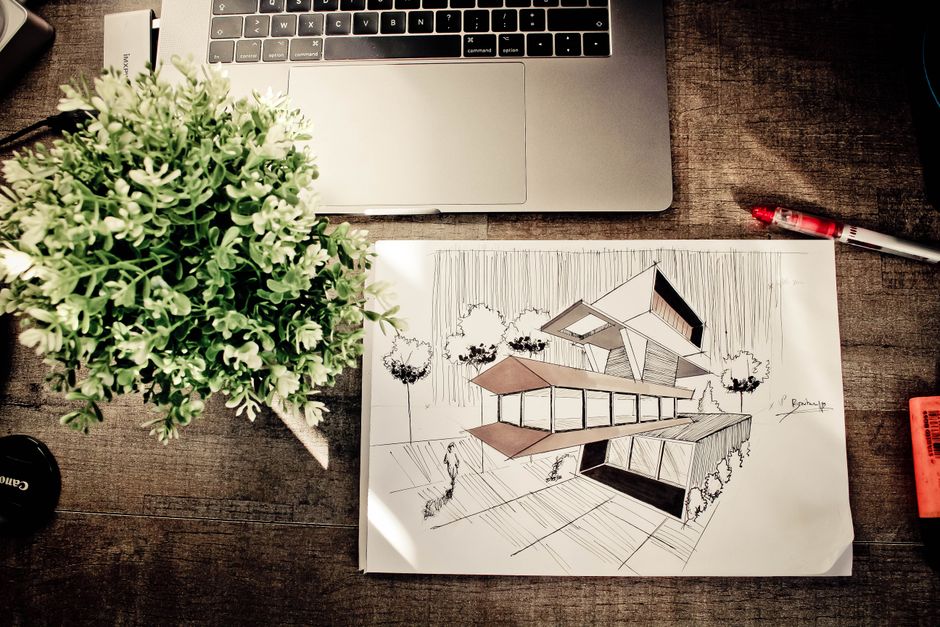
Landscape architects play a crucial role in the design and planning of outdoor spaces. They are trained professionals who understand the complexities of land use, environmental sustainability, and community needs. Their work involves analyzing the land, considering existing natural features, and integrating various elements such as plants, water, and structures into a cohesive design.
One of the primary responsibilities of a landscape architect is to create designs that enhance the natural beauty of a site while providing practical solutions for its use. For example, when designing a public park, a landscape architect must consider how the space will be used by the community, as well as how to preserve the existing ecosystem. This requires a deep understanding of both ecological principles and social dynamics.
Moreover, landscape architects often collaborate with various stakeholders, including urban planners, engineers, and environmental scientists, to ensure that their designs meet both aesthetic and functional requirements. Their ability to communicate effectively with diverse groups makes them invaluable in large-scale projects.
Key Principles of Landscape Architecture
There are several key principles that guide landscape architects in their work. One of the most important is sustainability. In today’s world, where climate change poses significant challenges, landscape architects must design spaces that are resilient and sustainable. This includes selecting native plant species that require less water and maintenance, incorporating permeable surfaces to manage stormwater, and creating habitats that support local wildlife.
Another principle is context. Landscape architects must consider the cultural, historical, and ecological context of a site. For instance, a landscape design for a historic district might include elements that reflect the area’s heritage, while a design for a new urban development might focus on modern aesthetics and functionality. Understanding the context helps to create spaces that resonate with their surroundings and serve the community effectively.
Additionally, landscape architects must be aware of the social implications of their designs. Public spaces should be inclusive and accessible to all, promoting social interaction and community engagement. This can include designing spaces that accommodate people of all ages and abilities, ensuring safety, and providing amenities that encourage people to gather.
Innovative Trends in Landscape Architecture
As the field of landscape architecture evolves, several innovative trends have emerged. One notable trend is the integration of technology in landscape design. Tools such as Geographic Information Systems (GIS) and Building Information Modeling (BIM) allow landscape architects to analyze data more effectively and visualize designs in a three-dimensional space.
Another trend is the focus on green infrastructure. This approach prioritizes natural systems in urban design, such as green roofs, rain gardens, and urban forests, to manage stormwater, reduce urban heat, and enhance biodiversity. Cities around the world are increasingly adopting green infrastructure strategies to combat the effects of urbanization and climate change.
Furthermore, the concept of biophilic design is gaining traction. This design philosophy emphasizes the connection between humans and nature, promoting the incorporation of natural elements into urban environments. Research has shown that exposure to nature can improve mental well-being and productivity, making biophilic design an attractive option for both residential and commercial projects.
The Future of Landscape Architecture
Looking ahead, the future of landscape architecture is bright and full of potential. As urban populations grow and environmental challenges become more pronounced, the demand for skilled landscape architects will continue to rise. Professionals in this field will be essential in creating sustainable, functional, and beautiful outdoor spaces that meet the needs of communities.
Moreover, the role of landscape architects is likely to expand beyond traditional boundaries. They may find themselves increasingly involved in climate adaptation strategies, disaster recovery planning, and the development of resilient cities. By embracing innovation and collaboration, landscape architects can lead the charge in creating a more sustainable and harmonious relationship between people and the environment.
In conclusion, the discipline of landscape architecture is a vital component of our built environment. The work of a landscape architect not only enhances the beauty of our surroundings but also addresses critical issues related to sustainability, social equity, and environmental health. As we move forward, the insights and creativity of landscape architects will be essential in shaping the future of our outdoor spaces.