








In the age of digital transformation, 3D rendering services have emerged as a crucial tool for architects, designers, and marketers alike. The ability to create photorealistic visualizations not only enhances the design process but also improves client communication and marketing strategies. This article delves into the significance of 3D rendering services, exploring their applications, benefits, and the future of this technology.
Understanding 3D Rendering Services

3D rendering is the process of generating a two-dimensional image from a three-dimensional model. This technique is widely used in various fields, including architecture, interior design, product design, and animation. The rendering process involves transforming 3D models created in computer-aided design (CAD) software into images that can be easily understood by clients and stakeholders.
At its core, 3D rendering services provide a way to visualize concepts before they are physically produced. By creating detailed and realistic images, designers can present their ideas more effectively, allowing clients to grasp the final product’s look and feel. This service is especially vital in industries where visual appeal is key, such as real estate and marketing.
Applications of 3D Rendering Services
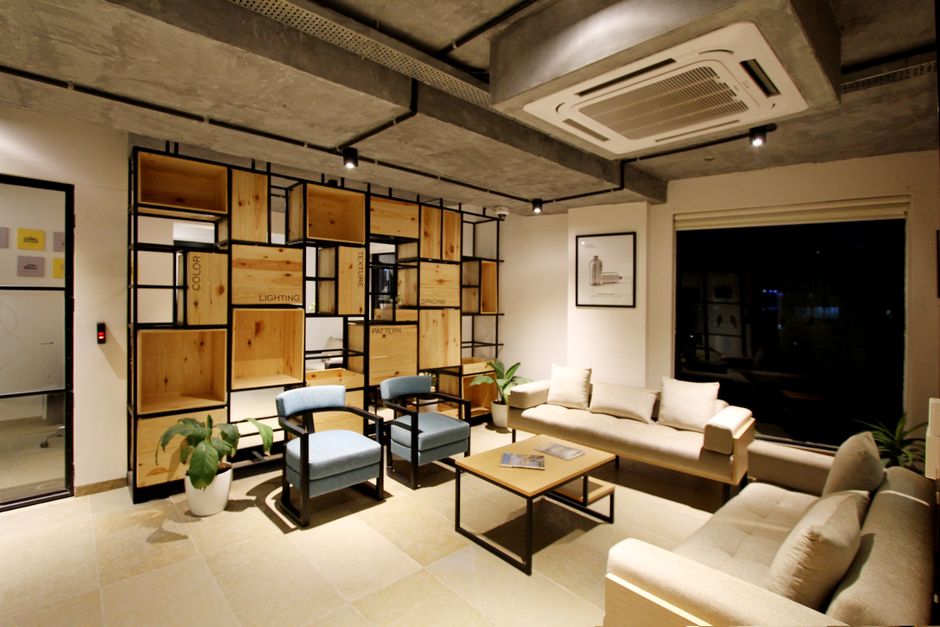
One of the primary applications of 3D rendering is in architecture. Architects use rendering to showcase their designs to clients and stakeholders. Instead of relying solely on blueprints and sketches, they can provide lifelike images of buildings and interiors. This not only aids in client approval but also helps in identifying potential design flaws early in the process.
In the realm of product design, 3D rendering services play a crucial role in prototyping. Designers can create realistic images of products before they are manufactured, allowing for adjustments and refinements. This capability not only saves time and resources but also leads to better end products.
Another growing application is in the realm of marketing. Businesses use 3D rendering to create promotional materials that stand out. High-quality visualizations can be used in advertisements, brochures, and websites to attract potential customers. The ability to showcase products in an appealing manner can significantly enhance a brand’s market presence.
Benefits of Using 3D Rendering Services
The benefits of utilizing 3D rendering services are numerous. Firstly, they enhance communication. By providing clear visual representations, designers can convey their ideas more effectively, reducing misunderstandings with clients. This clarity can lead to quicker decision-making and project approvals.
Secondly, 3D rendering services save both time and money. By identifying design issues before the construction phase, clients can avoid costly changes later on. Furthermore, the ability to visualize products before production means that businesses can refine their offerings based on client feedback, leading to improved customer satisfaction.
Additionally, 3D rendering can significantly enhance marketing efforts. High-quality visuals are more likely to capture attention and generate interest. As a result, businesses that invest in 3D rendering often see higher conversion rates and increased sales.
The Future of 3D Rendering Technology
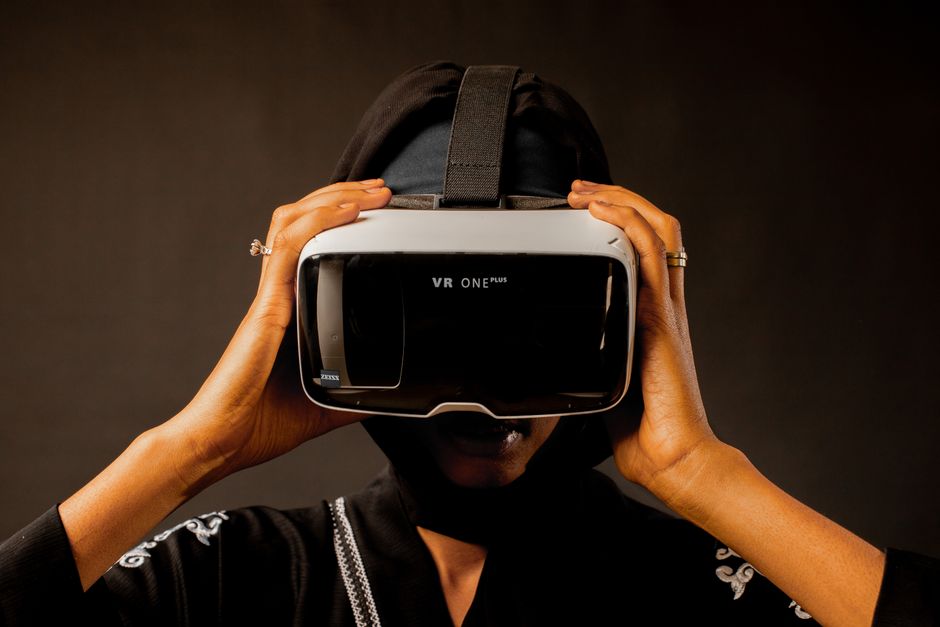
As technology continues to evolve, the future of 3D rendering services looks promising. The integration of virtual reality (VR) and augmented reality (AR) is set to revolutionize the way we experience 3D renderings. With VR, clients can immerse themselves in virtual spaces, experiencing designs as if they were physically present. This interactive element can lead to more informed decisions and greater client satisfaction.
Furthermore, advancements in artificial intelligence (AI) are likely to enhance the rendering process itself. AI-driven algorithms can optimize rendering times and improve image quality, making it easier for designers to produce stunning visuals quickly. As these technologies develop, the accessibility and affordability of 3D rendering services are expected to increase, allowing more businesses to leverage their advantages.
In conclusion, the significance of 3D rendering services in modern design cannot be overstated. From enhancing communication and saving resources to improving marketing strategies, these services are invaluable across various industries. As we look to the future, the integration of emerging technologies promises to further revolutionize the field, making 3D rendering an essential tool for any designer or business.