










The construction industry is a cornerstone of modern society, shaping the environment we live in. As cities expand and technology evolves, the construction sector faces new challenges and opportunities. This article explores the latest trends, innovations, and challenges within the construction industry, highlighting how they are influencing the future of building and infrastructure.
Current Trends in the Construction Industry
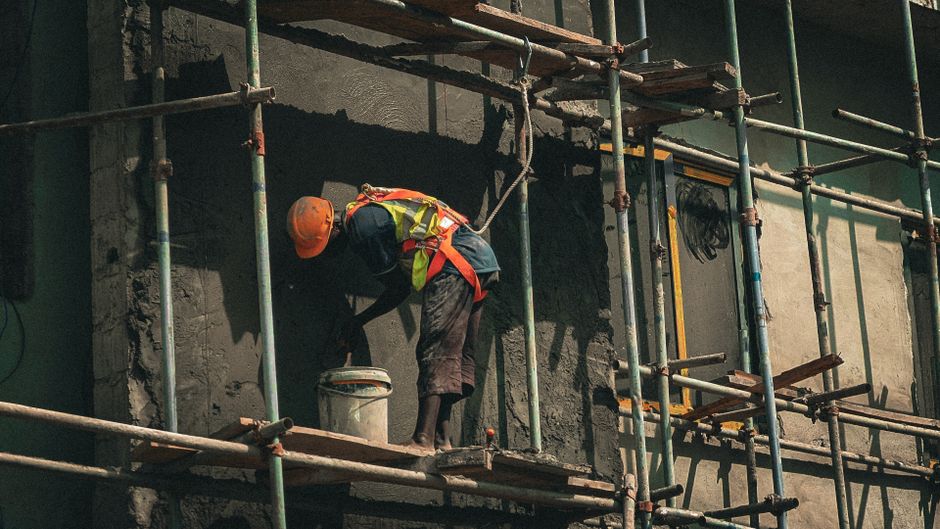
In recent years, the construction industry has seen a significant shift towards sustainability and eco-friendly practices. Companies are increasingly adopting green building materials and energy-efficient technologies. According to a report by McKinsey, the construction industry can reduce its greenhouse gas emissions by up to 30% by implementing sustainable practices.
Additionally, the use of Building Information Modeling (BIM) has become more prevalent. BIM allows architects and builders to create 3D models of buildings before construction begins, which can lead to better project outcomes and reduced costs. For example, a study indicated that using BIM can reduce construction time by up to 7% and save on costs by approximately 10%.
Technological Innovations Shaping Construction
Technological advancements are continuously reshaping the construction industry. Drones, for instance, are being used for surveying and site inspections, offering a faster and more accurate way to gather information. A report by the Federal Aviation Administration (FAA) predicts that the commercial drone market will grow significantly, with construction being one of the primary sectors driving this growth.
Moreover, the adoption of robotics and automation in construction is on the rise. Robots are now being utilized for tasks such as bricklaying and concrete pouring, which can enhance efficiency and safety on construction sites. This technological shift not only streamlines operations but also addresses labor shortages in the industry.
Challenges Facing the Construction Industry
Despite the progress, the construction industry faces several challenges. One of the most significant issues is the shortage of skilled labor. According to a survey by the Associated General Contractors of America, 80% of contractors reported difficulty finding qualified workers. This shortage can lead to delays in project timelines and increased costs.
Additionally, supply chain disruptions, exacerbated by global events such as the COVID-19 pandemic, have impacted material availability and pricing. Many construction firms have had to adjust their strategies to cope with these fluctuations, often resulting in increased project costs. As the industry adapts, it is crucial for stakeholders to develop robust supply chain management practices to mitigate these risks.
The Role of Collaboration in the Construction Industry
Collaboration is vital for success in the construction industry. Project stakeholders, including architects, engineers, contractors, and clients, must work together seamlessly to ensure project success. Platforms that facilitate collaboration, such as cloud-based project management tools, are becoming increasingly popular.
Furthermore, joining a construction network charlotte nc can help professionals connect, share insights, and access resources that can enhance collaboration. These networks provide valuable opportunities for networking and knowledge sharing, which can lead to improved project outcomes.
Future Outlook for the Construction Industry
Looking ahead, the construction industry is poised for significant growth. The global construction market is expected to reach $15 trillion by 2030, driven by urbanization and infrastructure development. To capitalize on these opportunities, companies must embrace innovation, invest in technology, and prioritize sustainability.
Moreover, as the demand for smart cities and infrastructure increases, the construction industry must adapt to incorporate smart technologies into building designs. This includes integrating IoT (Internet of Things) devices to create smarter, more efficient buildings that enhance the quality of life for occupants.
Conclusion
The construction industry is evolving rapidly, influenced by technological advancements and changing societal needs. While challenges such as labor shortages and supply chain disruptions persist, the sector’s commitment to innovation and sustainability offers a promising future. By embracing collaboration and investing in new technologies, the construction industry can build a resilient foundation for the future.