










Home improvement is not just about adding value to your property; it’s a chance to create a space that reflects your personality and meets your needs. In today’s fast-paced world, where personal comfort and aesthetic appeal are paramount, enhancing your living space can significantly improve your quality of life. Whether you’re planning a minor renovation or a major overhaul, understanding the key aspects of home improvement is essential. This article will guide you through the various elements of home enhancement, offering practical tips and expert advice to help you achieve your dream home.
Understanding the Basics of Home Improvement
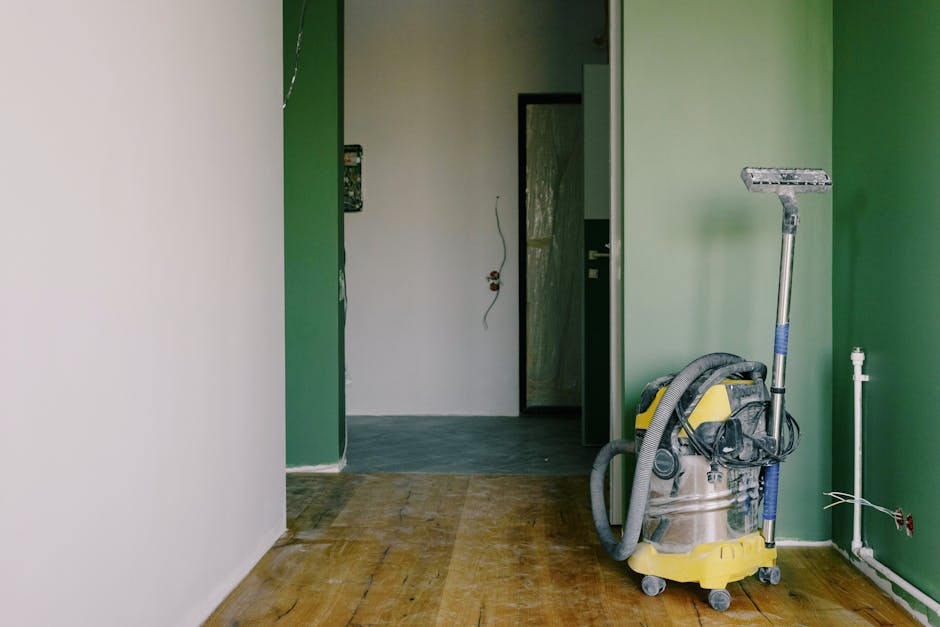
Before diving into any home improvement project, it’s crucial to understand the fundamentals. Home improvement encompasses a wide range of activities, from simple cosmetic changes to extensive structural renovations. One of the first steps is to assess your current living space and identify areas that need improvement. This could include anything from outdated fixtures to inefficient layouts. By taking stock of your home, you can create a prioritized list of projects that align with your goals.
Moreover, consider the potential return on investment (ROI) for each improvement. Projects such as kitchen remodels or bathroom renovations often yield higher returns compared to other upgrades. According to the National Association of Realtors, kitchen remodels can recoup over 80% of their costs upon resale, making them a smart investment for homeowners looking to increase their property’s value.
Planning Your Home Improvement Projects
Once you’ve identified the areas for improvement, the next step is to develop a comprehensive plan. This involves setting a realistic budget, establishing a timeline, and determining whether you’ll handle the work yourself or hire professionals. DIY projects can save money, but they require time, skills, and tools. On the other hand, hiring contractors can ensure that the job is done correctly but often comes with higher costs.
When creating your budget, don’t forget to include unexpected expenses. According to industry experts, it’s wise to allocate an additional 10-20% of your budget for unforeseen issues that may arise during the renovation process. This preparation can help avoid financial strain and keep your project on track.
Choosing the Right Materials and Designs
The materials you choose for your home improvement project can significantly impact both aesthetics and functionality. Opting for high-quality materials may require a larger upfront investment but can lead to long-term savings through durability and reduced maintenance costs. For instance, installing hardwood floors may cost more initially than laminate, but they typically last longer and can enhance your home’s appeal.
In addition to materials, design choices are crucial. Whether you’re updating a room or remodeling your entire home, consider incorporating sustainable and energy-efficient options. These not only benefit the environment but can also lower utility bills. For example, installing energy-efficient windows can reduce heating and cooling costs by up to 25%, making them an excellent investment for homeowners.
Executing Your Home Improvement Projects
When it comes to execution, ensure that you follow your plan closely. If you’re working with a contractor, maintain open lines of communication to ensure that the project progresses smoothly. Regular check-ins can help address any issues promptly and keep the timeline on track.
If you’re tackling a DIY project, don’t hesitate to seek advice or tutorials online. Many resources are available that can guide you through specific tasks, from painting techniques to installing fixtures. Remember, patience and attention to detail are crucial for a successful outcome.
Maintenance and Long-Term Care
After completing your home improvement projects, the work doesn’t stop there. Regular maintenance is essential to preserve the integrity and appearance of your enhancements. Create a maintenance schedule to check on systems like plumbing, electrical, and heating to ensure they operate efficiently.
Moreover, periodically reassess your home for any areas that may require further improvement. Trends in home design and technology are always evolving, and staying updated can help you maintain a modern and functional living space. For instance, many homeowners are now integrating smart home technology, which not only adds convenience but can also enhance security and energy efficiency.
Conclusion
Home improvement is a rewarding endeavor that can transform your living space and enhance your lifestyle. By understanding the basics, planning effectively, choosing the right materials, executing your projects diligently, and maintaining your home, you can create a beautiful and functional environment tailored to your needs. Remember, whether you’re a seasoned DIYer or a novice, the key to successful home improvement lies in careful planning and execution. For those interested in the intersection of lifestyle and home aesthetics, a great resource can be found on this fashion blog. Embrace the journey of home improvement and enjoy the process of making your home truly yours.